


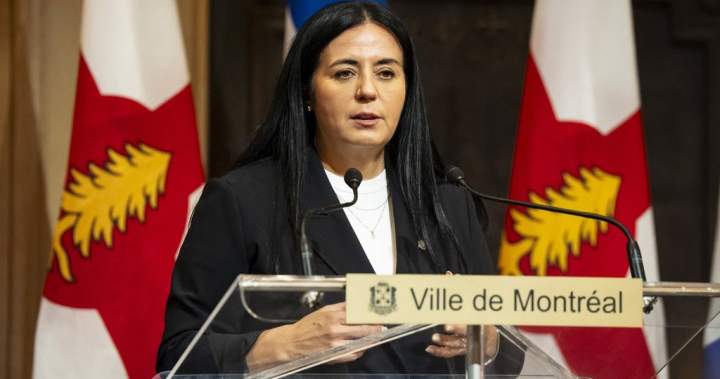
Montreal officials have pulled the plug on a planned modular housing development in Outremont after discovering that soil contamination levels would make the project financially unfeasible. The initiative, which aimed to provide 30 transitional housing units for vulnerable residents, has been scrapped despite the city already investing approximately $1 million in site preparation.
Mayor Soraya Martinez Ferrada explained that the contamination remediation costs would have more than doubled the per-unit expense, pushing it well beyond the acceptable threshold for modular housing projects. According to the mayor, each unit needed to cost under $100,000 to be viable, but the necessary cleanup work would have driven costs above $200,000 per door.
The decision has sparked outrage among opposition politicians and housing advocates who argue that Montreal is facing a severe housing crisis that demands urgent action. Opposition housing critic Élise Tanguay called the cancellation absolutely unacceptable, emphasizing that modular housing represents one of the fastest ways to increase shelter capacity for homeless individuals in the city.
Environmental experts have weighed in on the contamination concerns, noting that the site tested at Type C or D contamination levels, which are considered too hazardous for residential use. While the land underwent decontamination in 2013, officials clarified that the previous cleanup did not meet the stricter standards required for housing developments, whether temporary or permanent.
Community organizations working with vulnerable populations expressed deep disappointment with the decision, particularly given the urgent housing needs in nearby neighborhoods like Parc-Extension. Advocates pointed to the tragic death of homeless migrant Manjeet Singh earlier this year, whose passing was linked to hypothermia due to lack of adequate shelter options. Housing groups are now calling on city officials to quickly identify alternative sites to address the growing homelessness crisis.
