


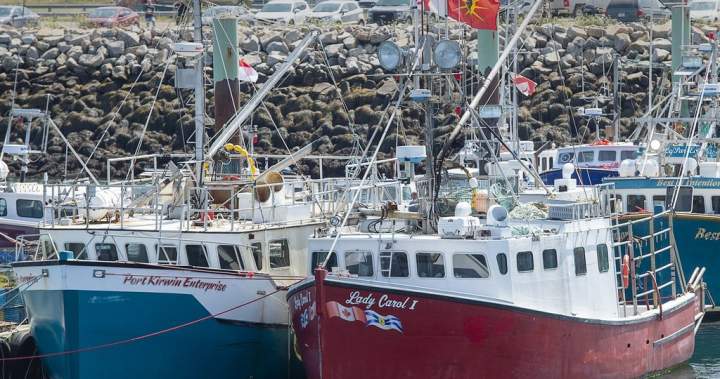
A significant legal battle over Indigenous fishing rights in Nova Scotia has reached a decisive turning point. A Supreme Court judge has dismissed a lawsuit brought by commercial fishermen against the Sipekne’katik First Nation, ruling that such disputes must be resolved through negotiations with the federal government, not through the courts.
Justice Ann Smith delivered a clear verdict on Wednesday, stating that the Unified Fisheries Conservation Alliance’s claim was ‘fatally flawed’ and could not proceed due to lack of jurisdiction. The alliance, which represents thousands of commercial fishermen across the Maritimes, had argued that the First Nation was engaging in unlawful commercial lobster fishing in St. Mary’s Bay since 2010 by operating without federal licenses and outside the regular fishing season.
The Sipekne’katik First Nation has consistently maintained that their right to fish commercially for lobster stems from the Peace and Friendship Treaties signed between 1760 and 1761. In September 2020, the band launched a self-regulated fishery based on a landmark 1999 Supreme Court of Canada ruling that affirmed the Mi’kmaq right to hunt and fish for a ‘moderate livelihood.’
In her ruling, Justice Smith emphasized that the fishing alliance has no legal standing to challenge treaty rights since it is not a party to any agreement between the First Nation and Canada. The judge pointed to the ‘special relationship’ between Indigenous peoples and the Crown, noting that the Supreme Court of Canada has been clear: treaty-related matters must be addressed through direct negotiations between First Nations and the federal government, not through adversarial court proceedings.
This decision reinforces the importance of government-to-government dialogue in resolving Indigenous rights disputes. For the Latin community in Canada following these developments, this case highlights the ongoing complexities surrounding Indigenous treaty rights and resource management in the Maritime provinces.
