


Federal investigators have uncovered significant structural deficiencies in CN Rail tracks near the location where 49 train wagons derailed just outside Montreal earlier this month. The Transportation Safety Board of Canada released findings that paint a concerning picture of railway maintenance issues that may have contributed to the July 5, 2026 incident in Repentigny, Quebec.
Investigation Reveals Multiple Track Deficiencies
Following the derailment that occurred on the edge of a residential neighborhood in Repentigny, the Transportation Safety Board deployed an investigative team to thoroughly examine the railway infrastructure. Their examination extended beyond the immediate derailment site to include eight additional track sections in the surrounding area.
In a safety advisory letter sent to Transport Canada’s director of rail safety on July 10, 2026, investigators detailed a troubling list of problems discovered during their assessment. The findings suggest that the track conditions may have been compromised well before the derailment occurred, raising serious questions about inspection and maintenance protocols.
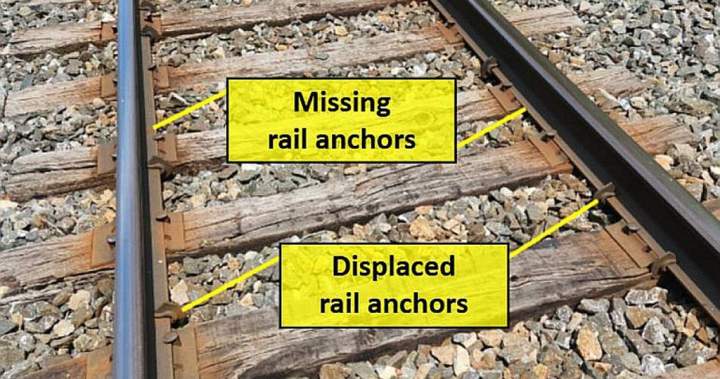
The safety advisory confirms that rail anchors were missing or had displaced in several areas, while multiple ties were found to be skewed from their proper positions.
The investigation team documented various issues that could have affected train stability as it passed through the area. Among the most concerning discoveries was evidence that rails had shifted by as much as nearly nine centimeters in certain locations, a significant displacement that could dramatically impact safe train operations.
Key Structural Issues Identified by Investigators
The Transportation Safety Board’s examination revealed a comprehensive list of problems affecting the track infrastructure:
- Missing rail anchors in multiple sections of track
- Displaced anchors that had shifted from their original positions
- Several ties found to be skewed or misaligned
- Visible signs of friction between spikes and ties
- Rail displacement measuring up to approximately nine centimeters
- Overall structural conditions that could impact train stability
These deficiencies, according to the federal agency, created conditions that increased the risk of derailment. The combination of missing anchors, shifted rails, and misaligned ties would have compromised the track’s ability to properly support and guide trains passing through the area.
Community Safety Concerns Following the Incident
The July 5 derailment occurred in close proximity to homes in Repentigny, a community located northeast of Montreal. The fact that 49 wagons left the tracks so close to a residential area has understandably raised concerns among local residents about railway safety in their neighborhood.
While no injuries were reported in this particular incident, the Transportation Safety Board’s findings highlight the potential dangers that track maintenance issues can pose to communities living near railway lines. The proximity of the derailment to residential properties underscores the importance of rigorous track inspection and maintenance programs.
Implications for Railway Safety Standards
The discovery of multiple structural problems along this stretch of CN Rail track raises broader questions about railway maintenance practices and inspection frequencies. Transport Canada, which oversees rail safety across the country, received the safety advisory and will likely need to assess whether similar issues exist elsewhere in the national rail network.
For the Latin American community in Canada, many of whom live in communities along major railway corridors, these findings serve as a reminder of the importance of robust safety oversight in the transportation sector. Railway incidents can have devastating consequences for nearby neighborhoods, making thorough maintenance absolutely essential.
The Transportation Safety Board continues its investigation into the Repentigny derailment, and additional findings may emerge as investigators complete their analysis. CN Rail has not yet publicly commented on the specific deficiencies identified in the safety advisory, though the company will likely face increased scrutiny regarding its track maintenance procedures in the aftermath of this incident.
Residents of communities along railway lines are encouraged to report any concerns about track conditions to Transport Canada or local authorities. The federal government maintains oversight responsibility for ensuring that railway companies meet safety standards designed to protect both rail workers and neighboring communities.
