


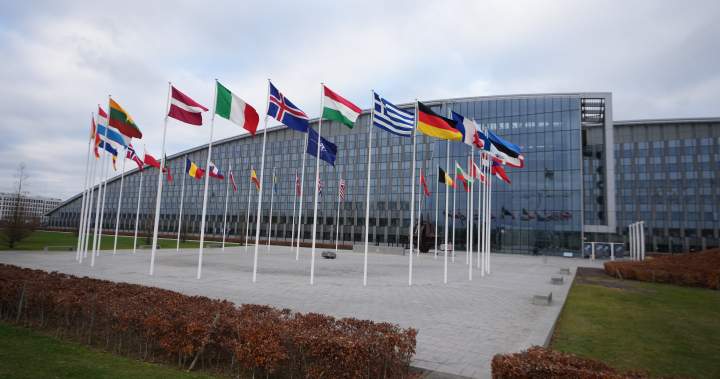
In a development that has sent ripples through international security circles, Belgian prosecutors announced on July 25, 2026, that a Canadian woman of Chinese origin has been arrested on espionage charges. The woman was working as an intern at NATO’s Supreme Headquarters Allied Powers Europe (SHAPE) in the Belgian city of Mons when she was taken into custody.
What We Know About the Arrest
According to the Federal Public Prosecutor’s Office in Belgium, the Canadian intern is suspected of spying on behalf of a third country and being a member of a criminal organization. The statement released by prosecutors did not identify the specific country or organization she allegedly worked for, nor did it provide additional details about her identity.
“She is suspected of spying on behalf of a third country and of being a member of a criminal organisation,” the Federal Public Prosecutor’s Office stated in their official announcement.
The suspect first came to the attention of SHAPE’s internal security services, who subsequently reported their concerns to Belgian intelligence officials. This cooperation between NATO security personnel and national intelligence agencies led to the investigation that culminated in her arrest on July 24, 2026. Investigators conducted thorough searches of both her residence and her workplace at the military headquarters.
Understanding SHAPE and Its Strategic Importance
For those unfamiliar with NATO’s organizational structure, SHAPE represents the alliance’s top military command center. Located in Mons, Belgium, it serves as the base for Allied Command Operations, the entity responsible for planning and executing all military operations for the 32-member transatlantic security alliance. This makes any security breach at this location particularly concerning for member nations, including Canada.
The significance of this case extends beyond the individual arrest. Key points to understand about this situation include:
- SHAPE coordinates military operations for all 32 NATO member countries
- The facility handles classified strategic planning and command decisions
- Interns at such facilities typically undergo security vetting processes
- This case highlights ongoing concerns about foreign intelligence operations targeting Western alliances
- Canada, as a NATO founding member, has a vested interest in the security of alliance operations
NATO’s Response and Operational Continuity
A spokesperson for SHAPE moved quickly to reassure member nations and the public that operations remain unaffected by this security incident. According to the official statement, there is no indication that NATO or SHAPE operational readiness, command and control arrangements, or ongoing tasks have been compromised.
“SHAPE continues to fulfil its responsibilities without interruption,” the spokesperson confirmed.
This reassurance is particularly important given the current geopolitical climate and the alliance’s various ongoing commitments around the world. The prosecutor’s office indicated that no further comments would be made while investigations continue, suggesting that more details may emerge in the coming weeks.
What This Means for Canadians
For the Canadian community, particularly those with connections to international organizations or government work, this case serves as a reminder of the complex security landscape that surrounds sensitive positions. While this incident involves a Canadian citizen, it’s important to note that it occurred on Belgian soil under Belgian jurisdiction.
The Canadian government has not yet issued an official statement regarding the arrest. However, cases involving Canadian citizens charged abroad typically involve consular services, and it is expected that Canadian diplomatic officials will monitor the situation closely.
Security Considerations for International Workers
This espionage case at NATO headquarters underscores several important considerations for Canadians working in international settings:
- Security clearances involve ongoing monitoring, not just initial vetting
- International organizations maintain robust internal security protocols
- Cooperation between national and international security agencies is standard practice
- Even intern-level positions at sensitive facilities are subject to strict oversight
As this story develops, the Latin community in Canada should stay informed about developments that could affect international relations and security cooperation. The case highlights the delicate balance between international cooperation and national security concerns that continues to shape our interconnected world. Further updates are expected as Belgian prosecutors continue their investigation into this significant espionage case at one of the Western world’s most important military installations.
