


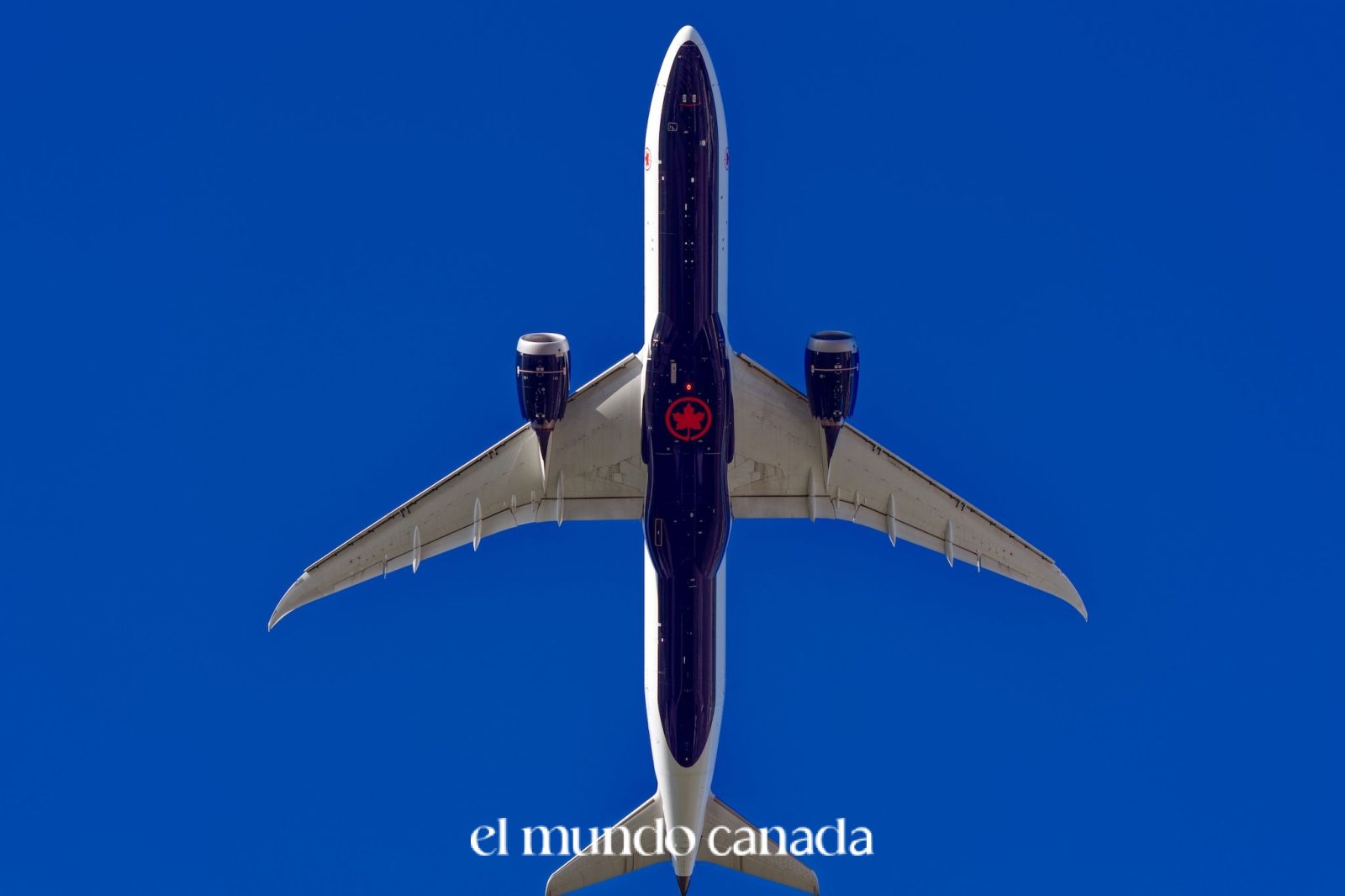
Canada and Vietnam have signed a historic air transport agreement that paves the way for direct, non-stop flights between the two countries for the first time ever. The expanded agreement allows airlines to operate up to 14 weekly passenger flights and seven weekly dedicated cargo flights, marking a major milestone for travelers and businesses in Western Canada.
The announcement came from Prime Minister Mark Carney as part of a broader strategic partnership with Vietnam. This regulatory breakthrough removes what had been a significant barrier to establishing non-stop service between Vancouver International Airport (YVR) and Vietnamese destinations. For the large Vietnamese-Canadian community and business travelers alike, this development promises more convenient connections to Southeast Asia.
Air Canada Plans Ho Chi Minh City Route
Air Canada, the country’s flag carrier, has publicly confirmed it is actively working with relevant authorities to secure the necessary approvals to launch direct, non-stop service to Ho Chi Minh City in 2027. This represents the culmination of years of behind-the-scenes planning, according to a presentation the airline made to investors in Spring 2024.
Ho Chi Minh City is Vietnam’s largest city and serves as the nation’s commercial center. The route would connect Vancouver directly to this economic powerhouse, offering significant advantages for both passenger travel and cargo transportation. The airline has not yet confirmed the exact launch date within 2027, but preparations are clearly underway.
It’s worth noting that Air Canada plans to discontinue its direct, non-stop route between Singapore and Vancouver in January 2027. This suggests the carrier may be reallocating resources to serve the Vietnam market directly rather than through intermediate hubs.
Passenger Demand Already Proven
Vancouver International Airport president and CEO Tamara Vrooman has been a vocal advocate for Vietnam routes, identifying the country as a particularly promising market for growing YVR’s position as a key Trans-Pacific gateway hub in North America.
“Approximately 58,000 passengers travelled from YVR to Vietnam in 2025 by connecting through Singapore alone, despite the lack of direct, non-stop service.”
Speaking at the Greater Vancouver Board of Trade in April 2026, Vrooman asserted that existing passenger demand through Singapore was already sufficient to support a standalone direct route to Vietnam. This existing traffic demonstrates the strong appetite for travel between Canada and Vietnam among both communities.
Cargo Opportunities for Western Canada
The new agreement isn’t just about passengers. Under the expanded terms, airlines will be permitted to carry cargo between the two countries as part of services that begin or end in their home country. This provides additional flexibility for cargo routes connecting Canada, Vietnam, and other international markets.
Vrooman highlighted the substantial volume of high-value goods moving between Western Canada and Vietnam. These include fresh seafood, produce, machinery parts, plastics, and technology products. Such goods are particularly suited to cargo air freight transported in the belly holds of commercial passenger aircraft.
Vancouver International Airport has set ambitious goals to double cargo volumes to over 700,000 tonnes annually by 2030. The Vietnam route could contribute significantly to achieving this target by opening new trade corridors for Canadian exporters and importers.
Read more: VIA Rail Cuts: Guildwood, Malton Lose Service
What the Agreement Means for Travelers
For Canadian travelers planning trips to Vietnam, this agreement represents a potential game-changer. Currently, reaching Vietnamese destinations from Vancouver requires connecting flights through hubs like Singapore, Hong Kong, or Seoul. These connections add significant travel time, often turning an already long journey into a 20-plus hour odyssey.
A direct flight from Vancouver to Ho Chi Minh City would dramatically reduce travel time and eliminate the hassle of layovers. This benefits not only leisure travelers visiting family or exploring Southeast Asian destinations but also business travelers who need efficient connections to one of Asia’s fastest-growing economies.
The agreement allows for up to 14 weekly flights, which could eventually translate to twice-daily service if demand warrants. However, airlines will make their own business decisions about frequency based on market conditions and profitability projections.
Broader Aviation Expansion at YVR
Vancouver International Airport has been actively pursuing new international routes as part of its strategy to position itself as North America’s premier Trans-Pacific gateway. The airport has seen notable new flight capacity added to destinations including Japan and South Korea in recent years.
Beyond Asia, YVR has also been eyeing new routes to South America and other emerging markets. The airport’s leadership views trade ambitions as closely linked to aviation expansion, recognizing that passenger flights bring valuable cargo capacity that supports economic growth throughout British Columbia.
The Vietnam agreement fits into this broader strategy of building YVR into a major hub that connects North American travelers and businesses with high-growth Asian markets. For the Latin community in Canada, improved Trans-Pacific connectivity can mean better travel options and more competitive pricing on routes throughout the Asia-Pacific region.
Meanwhile, developments in Canadian transportation continue to evolve, with services like VIA Rail adjusting routes across the country as travel patterns shift in the post-pandemic era.
When will direct flights between Vancouver and Vietnam start?
Air Canada is working to secure approvals to launch direct, non-stop service to Ho Chi Minh City in 2027. The airline has not confirmed an exact start date within that year.
How many flights per week are allowed under the new agreement?
The agreement permits airlines from each country to operate up to 14 weekly passenger flights and seven weekly dedicated cargo flights between Canada and Vietnam.
Why is Vancouver a good hub for Vietnam flights?
Vancouver International Airport already handles significant demand, with approximately 58,000 passengers traveling from YVR to Vietnam in 2025 by connecting through Singapore. The airport’s Trans-Pacific location makes it ideal for Asian routes.
What cargo will be transported on these routes?
High-value goods including fresh seafood, produce, machinery parts, plastics, and technology products are expected to move between Western Canada and Vietnam using the belly cargo capacity of passenger aircraft.
Will Air Canada discontinue other Asian routes?
Air Canada plans to discontinue its direct route between Singapore and Vancouver in January 2027, which may coincide with the launch of Vietnam service.
📘 Follow El Mundo Canada on our social networks: Facebook | Twitter | Instagram
The Canada-Vietnam air transport agreement represents a significant step forward for bilateral relations between the two nations. As airlines finalize their business plans and work through regulatory approvals, travelers and businesses should prepare for improved connectivity. Air Canada’s targeted launch of Ho Chi Minh City service in 2027 will mark the beginning of a new era in Canada-Vietnam aviation, with the agreement’s framework allowing for potential expansion as demand grows.
