


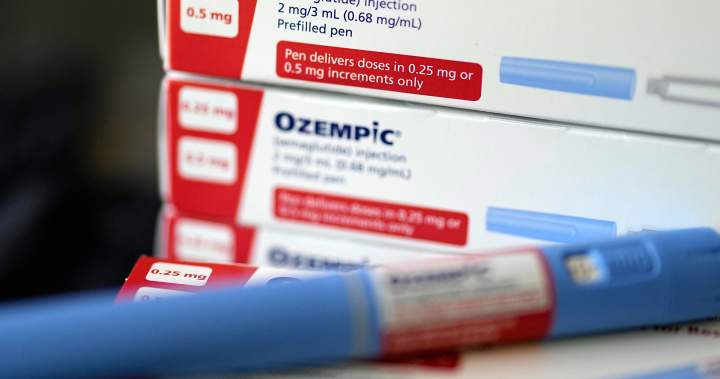
A recent interaction between a Saskatchewan physician and a local body positivity organization has ignited an important conversation about the marketing of weight-loss medications and the boundaries of medical outreach. On July 27, 2026, the founder of The Curvy Club, a Saskatoon-based support group, shared her experience receiving an unsolicited offer for weight-loss drug prescriptions, calling the approach insensitive and presumptuous.
The Controversial Message That Started It All
Cierra Giesbrecht, who established The Curvy Club nearly five years ago, received a Facebook message from Dr. Dennis Wardman, an addiction medicine physician who recently relocated to Saskatoon. The message offered to prescribe weight-loss medications to members of the group, explaining that consultations could be conducted over the telephone for patients anywhere in Saskatchewan.
“At first, I thought it was a troll. I couldn’t believe that an actual health-care provider in our province would be so bold.” — Cierra Giesbrecht, founder of The Curvy Club
Giesbrecht immediately declined the offer, making it clear that the group had no interest in such services. The weight-loss drug controversy has since drawn attention to how GLP-1 medications are being promoted to communities that may not have requested or desired such interventions.
Understanding The Curvy Club’s Mission
The Curvy Club serves as a safe space for individuals living in larger bodies to connect, share experiences, and support one another. The organization hosts community events in Saskatoon that typically attract 10 to 15 participants, while their online Facebook community has grown to include more than 2,000 members.
The group’s core philosophy centers on body acceptance and creating an environment free from judgment about weight or appearance. This mission is precisely why Giesbrecht found the doctor’s outreach so troubling—it assumed that members of a body-positive organization would automatically be interested in weight-loss medications.
The Impact on Mental Health and Self-Perception
Giesbrecht expressed concern about how such unsolicited offers can affect the mental well-being of individuals who have worked hard to accept their bodies. The weight-loss drug controversy extends beyond simple marketing ethics into the realm of psychological impact.
- Unsolicited medical advice can undermine body acceptance journeys
- Such offers may trigger questions about personal health choices
- External pressure can contribute to negative self-image
- Community safe spaces may feel violated by commercial outreach
The founder explained that even when individuals are not personally interested in weight-loss medications, the constant noise around such drugs can create internal doubt and questioning about one’s own body choices.
What Are GLP-1 Medications and Why the Growing Interest?
GLP-1 agonists, including popular brand names like Ozempic and Wegovy, have seen a dramatic surge in usage over recent years. These medications work through several mechanisms:
- Triggering insulin release in the body
- Blocking sugar production in the liver
- Slowing the digestive process to create feelings of fullness
- Reducing appetite and food intake over time
Originally developed for managing Type 2 diabetes, these drugs have increasingly been prescribed for weight management purposes. However, coverage varies significantly—while public drug plans typically cover GLP-1 medications for diabetes treatment, only a limited number of private insurers extend coverage for weight-loss applications.
The Doctor’s Perspective
Dr. Dennis Wardman confirmed sending the message to The Curvy Club. While he declined to participate in a formal interview, he explained that his interest in weight-loss medicine stems from its similarities to addiction treatment approaches—combining lifestyle changes with medication support.
The physician stated that he respects the group’s decision to decline his offer. This weight-loss drug controversy highlights the ongoing tension between medical outreach and respecting community boundaries.
What This Means for the Latin Community in Canada
For Latin Americans living in Canada, this incident raises important considerations about navigating healthcare communications and understanding patient rights. Here are key points to remember:
- You have the right to decline any unsolicited medical offers
- Body positivity support groups exist across Canadian cities
- Weight-loss medications should be discussed with your primary care provider
- Cultural perspectives on body image deserve respect in medical settings
- Community support networks can help navigate healthcare decisions
As the conversation around GLP-1 medications continues to evolve, incidents like this one serve as reminders about the importance of consent and sensitivity in medical marketing. Healthcare providers must balance their desire to offer services with respect for community values and individual autonomy.
For those seeking body-positive communities or information about weight-management options in Saskatchewan and across Canada, consulting with trusted healthcare providers and connecting with established support networks remains the recommended approach.
