


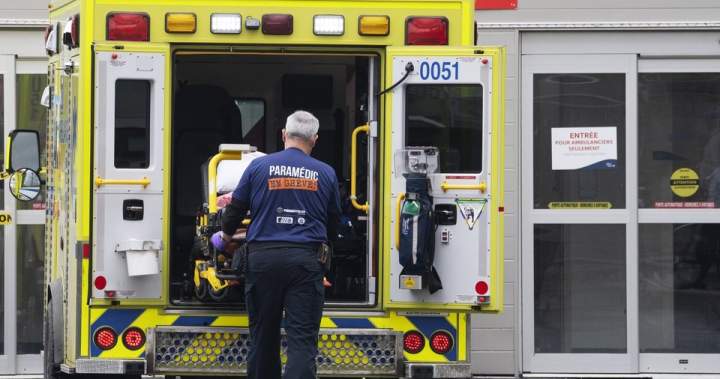
A troubling exodus is unfolding in Canadian emergency rooms as physicians abandon their posts in alarming numbers. According to a study published by the Canadian Medical Association Journal on July 27, 2026, one in every ten emergency room doctors in Canada has left the profession, with many expressing that the future of emergency medicine appears hopeless.
A Healthcare System in Crisis
The research reveals a deeply concerning picture of Canadian emergency medicine. Surveyed physicians described the healthcare system as fundamentally broken, with no clear path toward recovery. Out of 410 emergency doctors who participated in the study, 41 confirmed they had already departed from emergency medicine entirely.
The departures broke down as follows:
- 25 physicians transitioned to different medical specialties
- 10 doctors chose early retirement
- 6 left clinical medicine altogether, ceasing patient care completely
Among the 351 doctors who completed the full survey, the mental health statistics paint an equally grim picture. Nearly half, representing 163 physicians or 46 percent, scored high on emotional exhaustion measures. Even more concerning, 193 doctors, accounting for 55 percent of respondents, showed elevated levels of depersonalization, a psychological state where individuals feel disconnected from themselves or their surroundings.
“Respondents pointed to a broken health care system, unrealistic societal expectations, and insurmountable workplace challenges as reasons for burnout. The consequences were physician distress and leaving the profession.” — Canadian Medical Association Journal Study
Younger Doctors and Women Hit Hardest
The study identified particularly vulnerable groups within the emergency medicine workforce. Both younger physicians and female doctors reported experiencing significantly higher rates of burnout compared to their colleagues. This demographic trend raises serious concerns about the long-term sustainability of emergency departments across Canada.
Dr. Catherine Varner, an emergency physician and deputy editor at CMAJ, emphasized the gravity of these findings. She noted that healthcare workers felt unable to provide adequate standards of care while simultaneously feeling powerless to change their circumstances. The sense of helplessness within these rigid institutional systems appears to be driving many talented professionals away from the field.
Dr. Kerstin de Witt, a professor in emergency medicine at Queen’s University, highlighted the workforce implications of losing young physicians early in their careers. When emergency doctors leave at the beginning of their professional journey, healthcare systems lose decades of potential service and expertise that cannot be easily replaced.
Emergency Room Wait Times Reaching Critical Levels
The physician shortage coincides with dramatic increases in emergency department wait times. Data from a June 2026 Canadian Institute for Health Information report revealed that approximately 180,000 patients, representing one in ten emergency admissions, waited more than 48 hours for an inpatient bed during the 2024-25 period.
Healthcare facilities are struggling to maintain adequate staffing levels as more doctors reduce their hours or take extended leave. The survey found that nearly half of responding physicians had already cut back on clinical hours, while 20 percent had taken time off from work entirely.
What This Means for Canadian Families
For the Latin community in Canada and all residents who depend on emergency services, these developments signal potential challenges ahead. Emergency department closures, unfilled shifts, and reduced bed capacity could become increasingly common as the workforce crisis deepens.
Here are practical steps families can take to navigate the evolving healthcare landscape:
- Familiarize yourself with urgent care clinics in your area as alternatives for non-life-threatening conditions
- Register with a family physician to reduce reliance on emergency services for routine care
- Learn about telehealth options available in your province
- Keep important medical records accessible for faster emergency room processing
- Understand when symptoms truly require emergency care versus urgent care visits
The coping mechanisms employed by doctors who remain in emergency medicine include reducing work hours, modifying their professional roles, and changing healthcare institutions. However, these individual solutions do little to address the systemic challenges driving the crisis.
As Canadian healthcare continues grappling with these challenges, community members should stay informed about local emergency services and explore all available healthcare options. The situation remains fluid, and provincial health authorities may implement changes to address staffing shortages in the coming months.
