


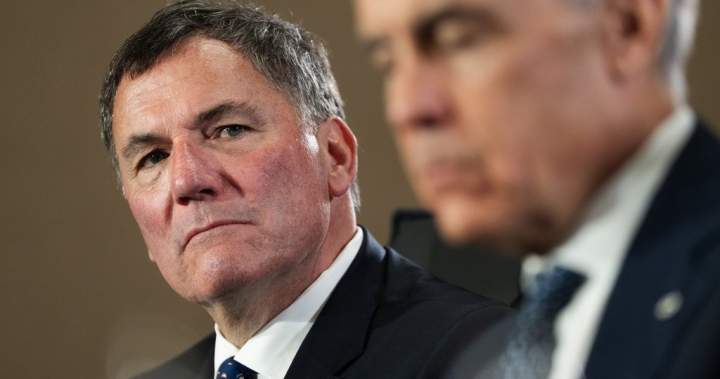
Canada’s Trade Minister Dominic LeBlanc is preparing for a critical visit to Washington this week as tensions between Canada and the United States continue to escalate over trade policy. The trip comes after President Donald Trump announced plans to impose new tariffs on various Canadian goods starting next month, creating uncertainty for businesses and workers across the country.
LeBlanc will be accompanied by Janice Charette, Canada’s chief trade negotiator, according to spokesperson Gabriel Brunet. While specific meeting details have not been disclosed, the discussions are expected to focus on the mounting tariff threats and the future of the Canada-U.S.-Mexico Agreement, commonly known as CUSMA.
What Are the New Tariffs Targeting?
The Trump administration announced on July 21, 2026, that it would impose 50 percent tariffs on certain Canadian goods. The duties specifically target products connected to several contentious issues between the two nations:
- Provincial liquor bans that restrict American alcohol sales
- Canada’s dairy supply management system
- Certain automobile quotas affecting American manufacturers
Unlike previous Trump tariffs, these new duties will not include exemptions for goods that comply with CUSMA requirements. This represents a significant departure from how the continental trade agreement has traditionally protected Canadian exports from American trade actions.
Trump Casts Doubt on Trade Agreement Future
President Trump made comments on July 28, 2026, that have raised serious concerns about the future of North American trade relations. Speaking to Fox News, the president expressed reluctance to continue the existing trade framework.
“I don’t really want to update the trade agreement. I’d rather be independent. Mexico and Canada need us. We don’t need them. The deal is important for them. It’s not important for us.”
These remarks come after the Trump administration announced at the beginning of July that it would not extend the trilateral trade agreement. This decision triggered annual rolling reviews that could continue for up to a decade, after which CUSMA would expire unless all three countries agree to an extension.
What This Means for Canadians
For the Latin community in Canada and all residents of the country, these trade developments could have significant implications for daily life. Higher tariffs on Canadian goods exported to the United States could affect employment in manufacturing, agriculture, and automotive sectors where many community members work.
The dairy industry, which employs thousands of workers across Quebec and Ontario, faces particular uncertainty under the new tariff regime. Additionally, provinces that have implemented restrictions on American liquor products may need to reconsider their policies to avoid broader economic consequences.
Recent Tensions Between Ottawa and Washington
The relationship between Canada and the United States has faced multiple challenges in recent weeks beyond tariffs. The Trump administration temporarily blocked the opening of the Gordie Howe International Bridge connecting Ontario and Michigan, and new tariff threats have been linked to wildfire smoke drifting into American states.
Trade Representative Jamieson Greer also announced new duties on Canada and dozens of other countries, citing concerns about forced labor in supply chains. These actions came just hours before a different temporary tariff authority was scheduled to expire.
What Happens Next in Trade Negotiations
While Mexico and Washington have already begun official CUSMA negotiations, Canada has not yet entered formal talks. Members of Trump’s trade team have described Mexican negotiators as pragmatic while characterizing Canadian officials as difficult to work with.
During LeBlanc’s previous visit to Washington in June 2026, he expressed Canada’s desire for a 16-year extension to the trade agreement. The minister also met with Trade Representative Greer on the sidelines of the G7 summit in France later that month.
Despite the challenging rhetoric from President Trump, Greer has indicated he is working toward a CUSMA extension. At a Senate finance hearing, Trump’s trade czar said he hopes to provide options by the end of 2026 to all three countries regarding the renewal of the continental trade pact.
How to Stay Informed About Trade Developments
For Canadians concerned about how tariff changes might affect their jobs, businesses, or purchasing power, staying informed is essential. Consider these steps to monitor the evolving situation:
- Follow announcements from Global Affairs Canada regarding trade negotiations
- Monitor updates from your provincial government about affected industries
- Contact your local Member of Parliament to express concerns about trade policy
- Connect with industry associations if you work in sectors targeted by tariffs
- Review your household budget for potential price increases on imported goods
The coming weeks will be crucial in determining the trajectory of Canada-U.S. trade relations. As LeBlanc heads to Washington, many Canadians will be watching closely to see whether diplomatic efforts can ease tensions and protect the economic partnerships that support millions of jobs across the country.
