


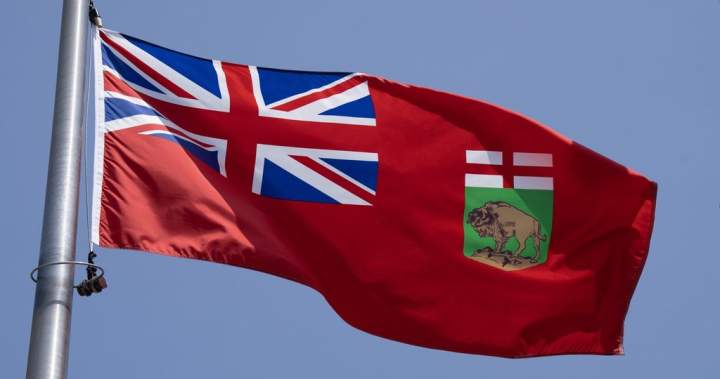
After spending an entire month displaced from their homes, approximately 600 residents of the O-Pipon-Na-Piwin Cree Nation in northern Manitoba are finally able to return to their community. The Manitoba Emergency Management Organization announced on July 28, 2026, that the wildfire evacuation order affecting the First Nation community based in South Indian Lake has been officially lifted.
Month-Long Displacement Comes to an End
The Manitoba wildfire evacuation began in late June 2026 when dangerous fire conditions threatened the safety of community members. For nearly four weeks, families were forced to leave their homes, belongings, and daily routines behind as emergency crews worked tirelessly to combat the flames threatening their community. The evacuation represented one of the significant displacement events affecting Indigenous communities in northern Canada this summer.
Provincial authorities confirmed that the fire situation has improved substantially, allowing for the safe return of all evacuated residents. This positive development brings relief to hundreds of families who have been anxiously waiting to return to their normal lives in the remote northern settlement.
The Manitoba Emergency Management Organization confirmed that fire conditions have improved sufficiently for residents of O-Pipon-Na-Piwin Cree Nation to safely return to their homes after the month-long evacuation period.
Power Restoration Marks Critical Milestone
Beyond the immediate threat of flames, the Manitoba wildfire evacuation was complicated by significant infrastructure damage. The wildfires cut power to the entire community, leaving residents without essential electrical services. However, Manitoba Hydro announced on July 27, 2026, that it had successfully restored power services to South Indian Lake, marking a critical milestone in the community’s recovery process.
The restoration of electricity means that returning residents will have access to essential services including refrigeration for food and medications, heating and cooling systems, and communication devices. For remote northern communities, reliable power is not just a convenience but a necessity for safe living conditions.
Current Wildfire Situation Across Manitoba
While the situation has improved enough for this particular community to return home, the broader Manitoba wildfire evacuation concerns remain significant across the province. Provincial authorities report that 144 wildfires are currently burning throughout Manitoba, presenting ongoing challenges for emergency management teams and communities alike.
- A nearby 17,000-hectare fire is currently being held by firefighting crews
- 144 total wildfires are actively burning across the province
- One wildfire remains classified as out of control
- Multiple communities continue to monitor conditions closely
- Emergency services remain on high alert throughout northern regions
The classification of a fire as “being held” indicates that firefighters have established control lines around the perimeter and the fire is not expected to spread beyond these boundaries under current conditions. This represents significant progress in protecting the South Indian Lake area from further damage.
What This Means for Northern Communities
The Manitoba wildfire evacuation experience of O-Pipon-Na-Piwin Cree Nation highlights the ongoing vulnerability of remote northern communities to climate-related emergencies. As wildfire seasons become increasingly intense and unpredictable, Indigenous communities and remote settlements face unique challenges in emergency preparedness and response.
For the Latin community in Canada, particularly those with connections to northern regions through work in mining, forestry, or other industries, understanding wildfire evacuation procedures and emergency protocols is essential. Many seasonal workers and their families may find themselves in areas affected by wildfires during peak summer months.
Practical Information for Emergency Preparedness
The successful conclusion of this Manitoba wildfire evacuation offers important lessons for all Canadian residents about emergency preparedness. Whether you live in a fire-prone area or simply want to be prepared for any emergency situation, consider these essential steps:
- Register with local emergency notification systems to receive timely alerts
- Prepare an emergency kit with essential documents, medications, and supplies
- Identify multiple evacuation routes from your home and community
- Keep vehicle fuel tanks at least half full during wildfire season
- Create a communication plan so family members can reconnect if separated
- Document valuable possessions with photos for insurance purposes
As the 600 residents of O-Pipon-Na-Piwin Cree Nation begin the process of returning home and rebuilding their routines after this Manitoba wildfire evacuation, their experience serves as a reminder of both the challenges facing northern communities and the resilience of Indigenous peoples in the face of natural disasters. The successful coordination between provincial emergency management, Manitoba Hydro, and First Nation leadership demonstrates the importance of collaborative approaches to disaster response and community safety.
