


The Canadian federal government announced on August 10, 2026, a significant $100-million rebate program designed to slash shipping costs for steel products transported between provinces and territories. This major initiative aims to support domestic steel producers struggling under the weight of ongoing tariffs and trade disputes.
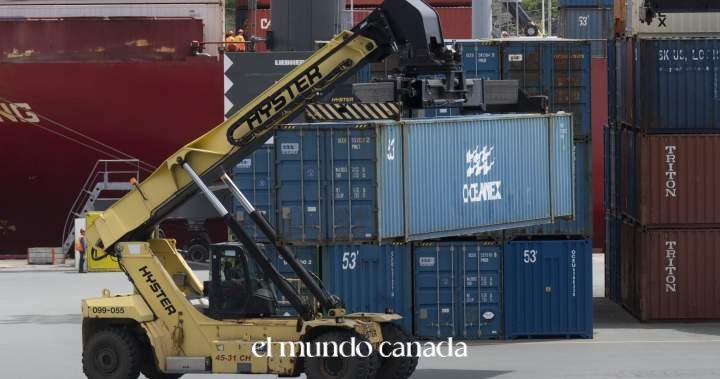
Transportation Minister Steven MacKinnon unveiled the steel shipping rebate plan, which will reimburse manufacturers for half the freight costs when sending eligible steel products across the country. The program covers both rail and marine shipping methods, offering substantial relief to companies navigating the challenging trade environment.
How the Steel Rebate Works
The new steel shipping rebate program operates on a straightforward reimbursement model. Companies that ship Canadian-origin steel products to destinations within the country can recover 50% of their freight expenses. This applies specifically to shipments made via rail transportation or marine shipping routes.
Applications for the rebate opened on August 10, 2026, giving manufacturers immediate access to the financial relief. The program will continue running through next summer or until the $100 million in funding has been fully distributed, whichever comes first.
Only products that meet two key criteria qualify for the rebate. First, the steel must be Canadian in origin. Second, the shipment destination must be within Canada’s borders. This ensures the program directly benefits domestic production and interprovincial trade.
Supporting Domestic Manufacturers
The primary goal of this steel rebate initiative is to encourage Canadian companies to source their steel from domestic suppliers rather than importing from the United States and other foreign markets. By reducing transportation costs, Ottawa hopes to make Canadian steel more competitive for manufacturers across the country.
Companies that use steel in their manufacturing processes stand to benefit significantly. The reduced shipping expenses could translate into lower production costs and improved margins during a difficult period for the industry. This is particularly important for small and medium-sized manufacturers.
The trade war with the United States has placed enormous pressure on Canadian steel producers. Tariffs have disrupted traditional supply chains and forced companies to seek alternative arrangements. This rebate program represents Ottawa’s direct response to those challenges.
Trade War Impact on Canadian Industry
The ongoing tariff disputes have created significant hardships for Canada’s steel sector. Domestic producers have faced reduced demand as costs increased and international markets became more complicated to navigate. The steel shipping rebate addresses one major cost factor within Ottawa’s control.
Beyond immediate financial relief, the program sends a strong signal about the federal government’s commitment to supporting Canadian manufacturing. By investing $100 million in shipping cost reductions, Ottawa demonstrates its willingness to take concrete action.
The relief is meant to encourage companies that use steel in their manufacturing processes to turn to domestic suppliers rather than rely on the United States and other foreign suppliers.
This strategic approach could help reshape supply chains in ways that benefit Canadian workers and communities long after the current trade tensions subside.
Forest Sector Support Coming
The federal government has indicated that similar support measures may soon extend to other industries facing trade-related challenges. In its announcement, Ottawa specifically mentioned examining comparable programs for the forest sector.
U.S. tariffs and shifting global trade patterns have impacted multiple Canadian industries beyond steel. The forestry sector has experienced its own difficulties as traditional export markets become more expensive or complicated to access.
While specific details about potential forestry support programs have not been released, the government’s acknowledgment suggests additional relief measures are under active consideration. Companies in affected sectors should watch for future announcements.
What This Means for Workers and Communities
For the Latin community in Canada and all workers in manufacturing sectors, this program offers meaningful economic support. Steel manufacturing and related industries employ thousands of Canadians across multiple provinces, many in communities where these jobs form the economic backbone.
The steel rebate program helps protect these jobs by making domestic production more viable. When Canadian manufacturers can access competitively priced domestic steel, they’re more likely to maintain or expand their operations within the country.
Workers in transportation and logistics also benefit from increased interprovincial steel shipments. Rail workers and marine shipping crews could see more consistent work as the program encourages domestic transport over international routes.
Communities across Canada that depend on steel production and manufacturing will feel the positive effects of this investment. From Ontario’s traditional steel heartland to manufacturers in Quebec and the Western provinces, the impact reaches nationwide.
For those seeking employment in these sectors, the program’s support for domestic industry could translate into more stable job opportunities. Manufacturing positions often offer competitive wages and benefits that support families and communities.
The $100-million investment represents a significant commitment to Canadian industry during challenging times. As trade negotiations continue and global markets remain uncertain, programs like this provide crucial support for workers and businesses alike.
Who qualifies for the steel shipping rebate?
Companies shipping Canadian-origin steel products to destinations within Canada via rail or marine shipping can apply for the rebate, which covers half of freight costs.
How long will the steel rebate program last?
The program will run through next summer or until the $100 million in funding has been completely distributed, whichever happens first.
