


The Canadian federal government unveiled significant new investments in athletic programs and sport infrastructure on July 27, 2026, marking what officials are calling a transformative moment for Canadian sport. The announcement comes in the wake of Team Canada’s weakest Olympic medal performance in nearly four decades, prompting a serious reassessment of how the country supports its elite athletes.
Historic Sport Funding Investment Announced in Calgary
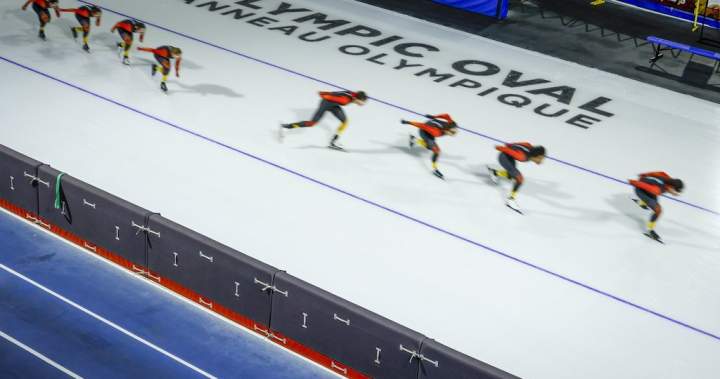
Secretary of State for Sport Adam van Koeverden made the announcement at Calgary’s iconic Olympic Oval speedskating facility, choosing a venue that symbolizes both Canada’s proud Olympic history and the urgent need for infrastructure renewal. The facility, originally built for the 1988 Winter Olympics, will receive $52 million in upgrades, with the federal and Alberta governments each contributing half of the total.
“This is a good era of Canadian sport, because we’re making the largest investments our country has ever seen in sport, from the playground to the podium,” said van Koeverden during the funding announcement.
The comprehensive sport funding package extends well beyond Calgary’s Olympic Oval. Several key winter sport facilities across Alberta are slated to receive financial support from a $33.6 million federal investment through the Build Communities Strong Fund. These facilities represent critical training infrastructure for Canadian athletes pursuing Olympic dreams.
Key Facilities Receiving Sport Funding
- Calgary Olympic Oval – $52 million for speedskating facility upgrades
- Winsport Canada Olympic Park halfpipe in Calgary – funding for snowboard training improvements
- Nakiska National Ski Cross Training Centre in Kananaskis – enhanced ski racing facilities
The Olympic Oval faces particularly urgent needs, as officials revealed that its ice-making capability is approaching the end of its operational life. Brine leaks from aging underground pipes have compromised the facility’s performance, and it now stands as the oldest among Canada’s three skating ovals. Newer facilities in British Columbia and Quebec, opened in 2010 and 2021 respectively, have set higher standards that Calgary must now match.
Direct Support for Canadian Athletes Increases
Beyond infrastructure investments, the federal government announced a $3 million boost to the Athletic Assistance Program, commonly known as “carding” within the Canadian sport community. This additional funding will bring the program’s annual total to $43 million, providing crucial financial lifelines for the country’s top competitors.
The practical impact for athletes is significant. Olympic and Paralympic athletes currently receive approximately $2,175 monthly through the program, and this sport funding increase will raise that amount to $2,300 per month. For athletes dedicating their lives to training and competition, this additional $125 monthly can make a meaningful difference in covering living expenses while they pursue excellence.
- Current monthly support: $2,175
- New monthly support: $2,300
- Athletes currently receiving support: More than 1,900
- Sport disciplines covered: Over 90
- New cards being added: 30 for emerging Olympic and Paralympic sports
Why This Sport Funding Matters Now
The timing of these announcements is no coincidence. Team Canada earned 21 medals at the 2026 Winter Olympics in Italy but failed to crack the medal table’s top 10 for the first time since the 1988 Calgary Games. That same year marked the last time Canada took more than a week to earn its first gold medal at a Winter Olympics. Freestyle skier Mikael Kingsbury finally broke through on day nine of the Milan and Cortina Games.
Following this disappointing performance and direct appeals for more resources from the Canadian Olympic Committee, Ottawa committed $660 million over the next five years for national sport organizations in the spring economic update. Additionally, $110 million in annual funding will continue beyond that initial period, representing a long-term commitment to Canadian athletic success.
What This Means for the Latin Community in Canada
For members of the Latin community in Canada who are passionate about sports, whether as participants, coaches, or enthusiastic fans, these investments signal expanded opportunities ahead. The additional 30 cards being granted for athletes in emerging Olympic and Paralympic sports could open doors for competitors in disciplines where Latin American athletes have traditionally excelled.
Parents encouraging children in athletic pursuits can take heart that Canada is strengthening its sport infrastructure from grassroots to elite levels. The increased monthly support for athletes also makes pursuing high-performance sport more financially viable for talented individuals from all backgrounds, including those in immigrant families who may face additional financial pressures.
Community sport organizations across Canada may also benefit indirectly from this renewed federal commitment to athletic excellence. When national priorities shift toward sport development, funding and attention often flow down to local programs, creating opportunities for young athletes in cities with significant Latin populations like Toronto, Montreal, Vancouver, and Calgary to access better training and coaching.
