


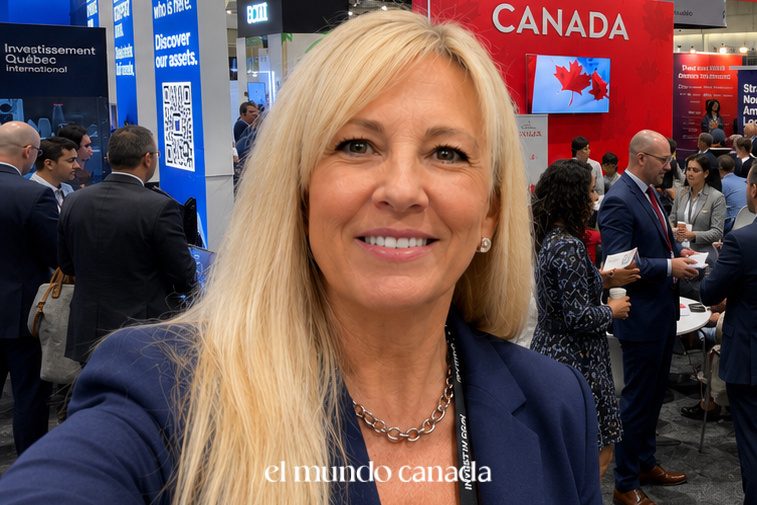
When Anik Forest, president and CEO of Archex, turned down a $1 million contract for a Las Vegas project, many thought she was making a critical business mistake. Instead, that decision became the cornerstone of a transformative business strategy that has led the Quebec-based exhibition stand company to its strongest growth years in its 50-year history.
The lesson is clear: saying no to certain contracts might feel like jumping into the void, but it can actually increase growth and profitability. This counterintuitive approach has become Forest’s signature management philosophy, one that has reshaped how the company operates and selects its projects.
The Decision That Changed Everything
Forest analyzed the Las Vegas opportunity carefully before responding. Despite the impressive $1 million value, she determined that the contract would generate too much stress, had an unrealistic timeline, and wouldn’t maximize value for her team. She said no.
“It might seem irresponsible to say no,” Forest explained. “But I understood that it was a mistake to say yes to everything.” This revelation didn’t come overnight—it was the result of years of analysis and a fundamental shift in business philosophy.
“Saying no to certain contracts is unsettling: it’s like jumping into the void. But it allowed us to increase our growth and our profitability.”
From Butter Boxes to Custom Designs
Anik Forest joined Archex at age 23. The company, founded by her father Jacques Forest, specialized in exhibition stand design. However, back then, the work was far less sophisticated than what the company produces today.
“A 20-foot booth, with white panels, three lights, carpet, stools… We called them ‘butter boxes,’” Forest recalled. “We made a lot of them, but it wasn’t very profitable.” The company faced high storage costs and had employees to support, so it accepted every potential client.
Her father’s philosophy was simple: a revenue is a revenue, a client is a client. While this approach may have been appropriate for a founding entrepreneur, Forest recognized it was limiting the company’s growth potential.
The Banking Expertise Revelation
Approximately 20 years ago, Forest applied her experience from the banking sector to analyze a complete year of Archex contracts. The results were eye-opening and transformed her understanding of the business.
“Before that, we didn’t know which contracts were profitable and which ones weren’t. It’s an exercise that opened our eyes. We realized it was a mistake to say yes to everyone.”
Armed with this data, Forest made a bold strategic decision. She eliminated the bottom 20% of their least profitable contracts and redirected efforts to enhance the top 20% of their most lucrative work.
Implementing the New Strategy
The transition wasn’t easy. Forest had to have difficult conversations with existing clients, telling some that Archex could no longer work with them. However, she didn’t leave them stranded—the company showed these clients how to conduct proper bidding processes to find new suppliers.
The company also liquidated its inventory of carpets, stools, tables, and chairs. “We had to make room,” Forest explained. This wasn’t just about physical space—it was about creating mental and operational capacity for higher-value projects.
The results were immediate. Eliminating low-value contracts freed up the team to dedicate more time to interesting and complex projects. Gradually, the company built its reputation and deepened its technical expertise.
Archex Today: Technical Excellence
After 50 years in business, Archex is experiencing its strongest growth period ever. The company’s projects now appear at commercial exhibitions in Toronto, Vancouver, and especially in New York and Las Vegas—the same city where Forest once rejected that $1 million contract.
“Our booths often require multiple 53-foot trucks to transport,” Forest noted. “There are video walls… These are very technical and complex achievements. That’s where our added value is at its best.” The transformation from simple “butter boxes” to sophisticated exhibition installations represents a complete business evolution.
Interestingly, the client who brought that $1 million Las Vegas project continued working with Archex on other projects. Saying no didn’t end the relationship—it actually strengthened it by demonstrating the company’s commitment to quality and realistic project management.
Lessons for Canadian Entrepreneurs
For Canadian business owners, especially those in the Latin community building enterprises across the country, Forest’s story offers valuable insights. The pressure to accept every opportunity can be overwhelming, particularly for immigrant entrepreneurs establishing themselves in new markets.
However, Forest’s experience demonstrates that strategic selectivity can drive sustainable growth. By understanding which contracts are truly profitable and which simply keep you busy, business owners can make informed decisions about where to focus their energy.
Jacques Forest, who passed away in 2008, witnessed the beginning of his daughter’s strategic transformation. Though he built the company on a different philosophy, Anik Forest is confident he would approve of the changes if he were alive today.
The Quebec entrepreneur’s journey proves that sometimes the most profitable decision is the one that looks most risky on paper. For Canadian businesses seeking long-term growth, learning to say no might be the most important skill they develop.
Why did Anik Forest reject a $1 million contract?
Anik Forest rejected the $1 million Las Vegas contract because it would generate too much stress, had an unrealistic timeline, and wouldn’t maximize value for her team. She prioritized sustainable growth over short-term revenue.
What strategy did Archex implement to increase profitability?
Archex eliminated the bottom 20% of their least profitable contracts and focused resources on enhancing the top 20% of their most lucrative projects. They also liquidated inventory of generic booth materials to focus on custom, technical installations.
How has Archex grown after changing its business strategy?
After 50 years in business, Archex is now experiencing its strongest growth years ever. The company creates complex exhibition installations requiring multiple 53-foot trucks for transport, featuring video walls and other technical elements for shows in Toronto, Vancouver, New York, and Las Vegas.
What happened to the client whose $1 million project was rejected?
The client who brought the $1 million Las Vegas project continued to work with Archex on other projects. The rejection didn’t end the business relationship—it demonstrated the company’s commitment to quality and realistic project management.
📘 Follow El Mundo Canada on our social networks: Facebook | Twitter
