


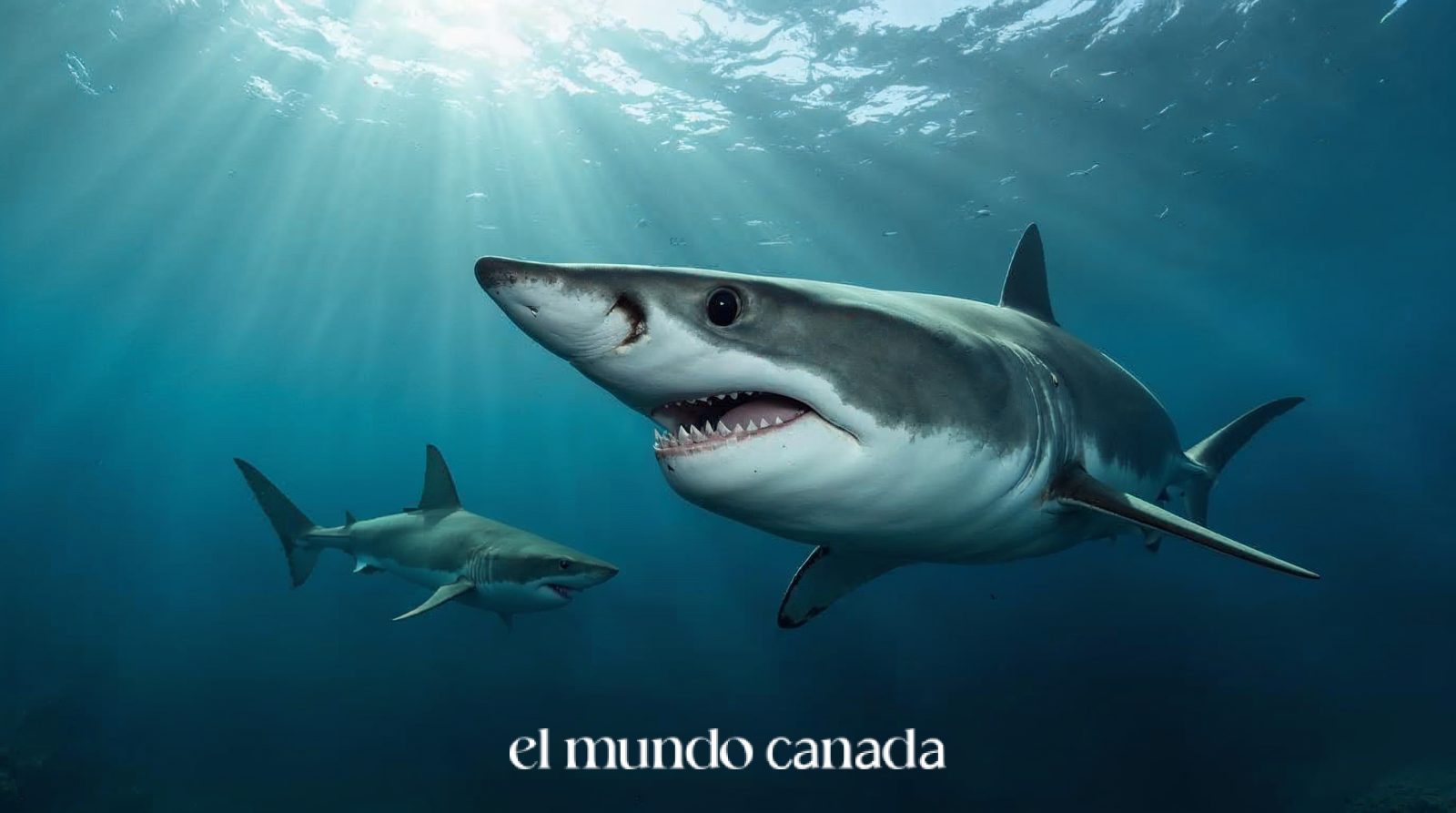
A diver has issued a warning about a great white shark sighting off the coast of Quebec, raising concerns among swimmers, boaters, and marine enthusiasts in the region. The alert, reported on September 16, 2026, serves as a reminder that these apex predators occasionally venture into Canadian waters, particularly during late summer months when water temperatures are warmer.
While great white shark encounters remain relatively rare in Quebec and the broader Gulf of St. Lawrence region, this latest sighting underscores the importance of water safety awareness for residents and visitors enjoying Canada’s Atlantic coastline. The warning has prompted local authorities and marine experts to remind the public about precautionary measures when engaging in water activities.
What We Know About the Quebec Shark Sighting
The great white shark warning originated from a diver who encountered the marine predator while exploring waters off the Quebec coast. Great whites, known scientifically as Carcharodon carcharias, are the largest predatory fish in the world, with adults typically measuring between 4 to 6 meters in length.
These sharks are known to migrate through Atlantic Canadian waters during warmer months, following prey populations that include seals, fish, and other marine mammals. The Gulf of St. Lawrence has seen increased marine biodiversity in recent years, which may contribute to shark activity in the region.
Marine biologists note that great white sharks are curious creatures and often investigate objects in their environment. However, unprovoked attacks on humans remain extremely rare, with most encounters resulting from the shark mistaking a swimmer or surfer for its natural prey.
Essential Safety Guidelines for Swimmers and Divers
Following the great white shark Quebec warning, experts recommend several precautionary measures for anyone planning water activities in the region. Swimming in groups is strongly advised, as sharks are more likely to approach solitary individuals.
Key safety recommendations include:
- Avoid swimming at dawn, dusk, or night when sharks are most active in their feeding patterns
- Stay close to shore and avoid deep water drop-offs where sharks patrol
- Remove shiny jewelry before entering the water, as reflections can resemble fish scales
- Avoid areas with known seal populations, which attract great white sharks
- Exit the water immediately if you observe seals, fish schools, or unusual marine activity
Swimmers should also avoid wearing high-contrast clothing and refrain from excessive splashing, which can attract predatory attention. If you spot a shark, remain calm, maintain eye contact, and move steadily toward shore without panicking.
Understanding Shark Activity in Canadian Waters
While great white sharks are more commonly associated with warmer waters off California, Australia, and South Africa, they regularly appear in Atlantic Canada. Research organizations have tracked numerous great whites traveling through Canadian waters, particularly between July and October.
The presence of these sharks in Quebec and surrounding areas reflects healthy marine ecosystems. Seal populations in the Gulf of St. Lawrence have rebounded significantly over the past several decades, providing abundant food sources that attract apex predators.
Read more: B.C. Classroom Violence: Teachers Report Alarming Rise
Scientists emphasize that shark encounters do not necessarily indicate danger. Great whites play a crucial role in maintaining ocean health by controlling prey populations and removing weak or diseased animals from the food chain.
What to Do If You Encounter a Shark
Understanding proper response protocols can be life-saving if you encounter a great white shark or any large shark species. Experts from marine research institutions recommend maintaining composure as the first priority, as erratic movements can trigger predatory instincts.
If a shark approaches while you’re in the water, follow these steps:
- Stay vertical in the water rather than floating horizontally on the surface
- Keep the shark in your field of vision at all times while backing away slowly
- Do not play dead, as this does not deter sharks
- Use any available object as a barrier between yourself and the shark
- If contact occurs, target the shark’s eyes, gills, or snout with firm, directed strikes
After any shark encounter, report the sighting to local coast guard authorities and wildlife management agencies. This information helps researchers track shark movements and issue timely warnings to other water users.
Community Response and Ongoing Monitoring
The Quebec great white shark warning has prompted increased awareness among coastal communities. Local fishing operations, dive shops, and beach authorities are coordinating to share information about shark activity and ensure public safety.
Marine patrol services have increased surveillance in areas where the shark was spotted, while local authorities remind beachgoers to heed posted warnings and respect water closures when they occur. Community members are encouraged to report any shark sightings through official channels.
This incident also highlights the broader conversation about human-wildlife coexistence in Canada. As climate patterns shift and marine ecosystems evolve, encounters between humans and large marine predators may become more frequent in regions previously considered outside typical shark habitat.
For the Latin community in Canada who enjoy coastal recreation and fishing activities, staying informed about local safety updates and following established guidelines remains essential. Many newcomers to Canada may be unfamiliar with the country’s marine wildlife, making education and awareness particularly important.
Researchers continue to monitor shark populations throughout Atlantic Canada using satellite tags and acoustic receivers. This technology allows scientists to track individual sharks and provide early warnings when tagged animals approach populated coastal areas.
Are great white sharks common in Quebec waters?
Great white sharks are not commonly seen in Quebec, but they do occasionally travel through the Gulf of St. Lawrence during warmer months, typically between July and October, following prey populations.
What should I do if I see a shark while swimming?
If you spot a shark, remain calm and maintain eye contact while moving steadily toward shore. Avoid splashing or making sudden movements that could attract attention. Exit the water as quickly and smoothly as possible.
Are shark attacks common in Canada?
Shark attacks in Canada are extremely rare. Great white sharks typically do not target humans as prey, and most encounters occur when sharks mistake swimmers or surfers for their natural food sources like seals.
When is it safest to swim in areas with shark activity?
The safest time to swim is during midday hours when visibility is highest. Avoid swimming at dawn, dusk, or night when sharks are most active in their feeding patterns.
How can I report a shark sighting in Quebec?
Report shark sightings to local coast guard authorities or Fisheries and Oceans Canada. Providing details about location, time, and estimated shark size helps researchers track marine wildlife activity.
📘 Follow El Mundo Canada on our social networks: Facebook | Twitter | Instagram
Authorities will continue monitoring the situation throughout the remainder of the 2026 swimming season, which typically extends through late September in Quebec. Beach patrol services are expected to maintain heightened vigilance until water temperatures drop and shark migration patterns shift southward in October 2026.
