


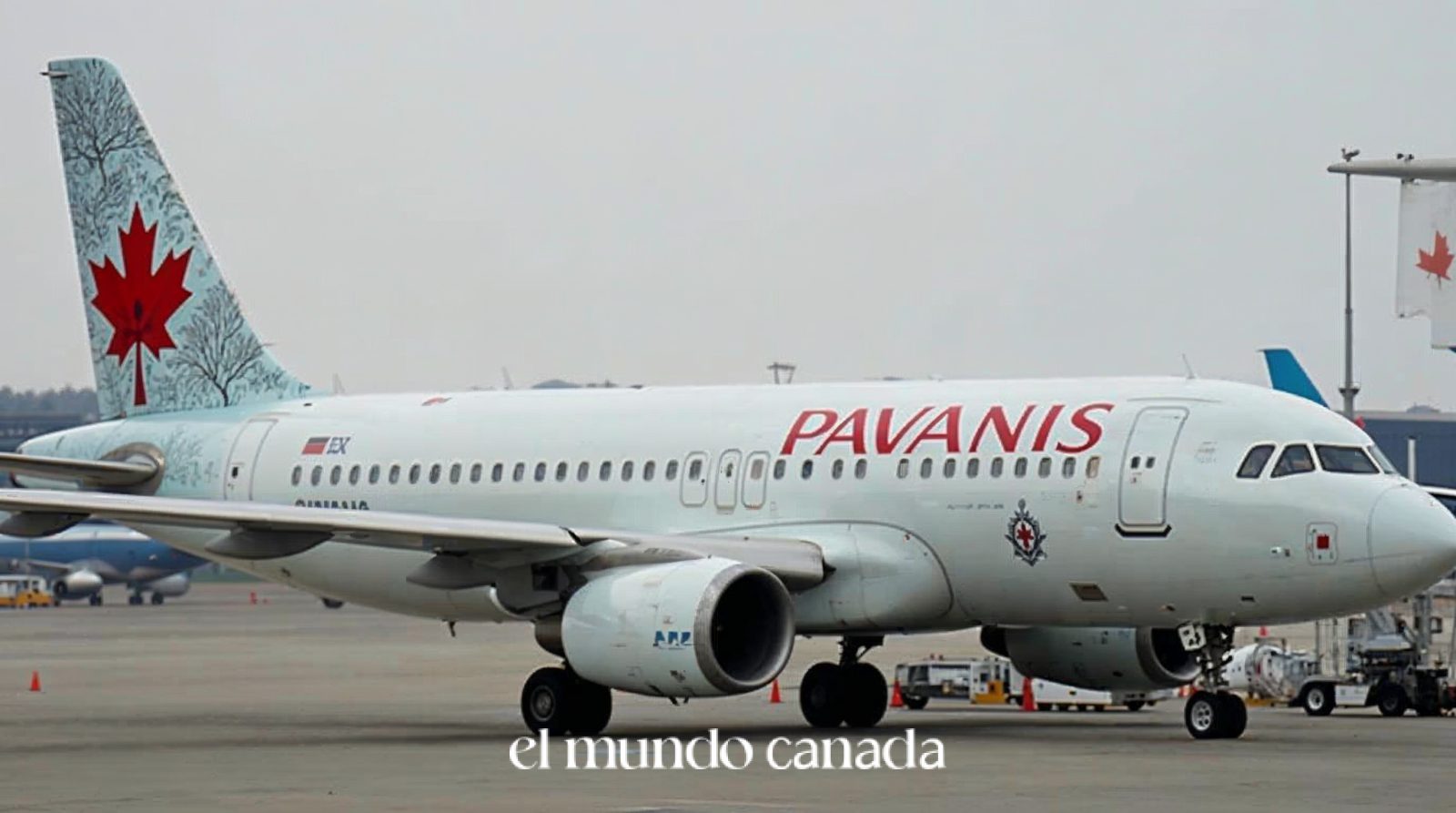
Canadian airlines are slashing ticket prices in a surprising move that comes even as fuel costs continue to climb across the aviation industry. The fare cuts represent a strategic battle for passengers during a challenging period for Canada’s aviation sector, offering potential savings for travelers planning domestic and international trips from Canadian airports.
The airline industry in Canada finds itself navigating a complex landscape where competitive pressures are forcing carriers to absorb higher operating costs rather than pass them entirely to consumers. This development marks a significant shift in how Canadian carriers are approaching the fall 2026 travel season, prioritizing market share over immediate profit margins.
Why Airlines Are Cutting Fares Despite Rising Costs
The decision by Canadian airlines to reduce fares while facing elevated fuel expenses reflects intensifying competition within the domestic market. Carriers are betting that increased passenger volumes will offset the reduced per-ticket revenue, a strategy that requires careful financial balancing.
Jet fuel prices have risen substantially throughout 2026, creating pressure on airline operating budgets. However, airlines are choosing to compete aggressively for passengers rather than implement fare increases that could drive travelers to alternative transportation options or delay travel plans altogether.
Industry analysts note that load factors—the percentage of available seats filled on flights—have become the critical metric airlines are chasing. A fuller aircraft at lower prices can generate more total revenue than a half-empty plane with expensive tickets.
What Travelers Can Expect From Cheaper Flights
For Canadian travelers, including members of the Latin community planning visits to family abroad or exploring domestic destinations, the fare reductions present genuine opportunities. Routes across Canada and international connections are both seeing competitive pricing as carriers fight for bookings.
The fall travel season typically sees reduced demand compared to summer peaks, giving airlines additional motivation to offer attractive deals. Business travelers and leisure passengers alike stand to benefit from this pricing environment.
Those considering travel between Canadian provinces or flights to Latin American destinations should monitor pricing closely, as promotional fares tend to have limited availability and specific booking windows.
Read more: Trump Tariffs 2026: How Canadians Fight Back
Impact on the Latin Community in Canada
The Canadian airline fare cuts carry particular significance for the Latin community, where maintaining connections with family in Mexico, Colombia, Peru, Chile, and other countries remains a priority. International routes to Latin American destinations could see spillover effects from the domestic pricing competition.
Seasonal travel patterns for the Latin community often include December holiday visits and summer family reunions. The current fare environment suggests that booking ahead for winter 2026 travel could yield meaningful savings compared to previous years.
Remittance-sending families who balance flight costs with financial support to relatives abroad may find the reduced fares provide welcome budget relief. Every dollar saved on airfare can potentially be redirected to other family needs.
How Rising Fuel Costs Affect Airline Operations
Understanding the dynamics of fuel costs helps explain why Canadian airline pricing decisions matter. Jet fuel represents one of the largest operating expenses for any carrier, typically accounting for 20-30 percent of total costs during normal market conditions.
When fuel prices rise, airlines face difficult choices: raise ticket prices and risk losing passengers, absorb the costs and accept lower profits, or find operational efficiencies elsewhere. The current strategy of cutting fares suggests Canadian carriers are prioritizing passenger acquisition, likely anticipating that fuel costs will stabilize or that increased efficiency will offset current pressures.
Fuel hedging programs, where airlines lock in future fuel prices through financial contracts, also play a role. Carriers with favorable hedge positions can afford to be more aggressive on pricing than competitors exposed to spot market volatility.
Booking Tips for Canadian Travelers
To maximize savings during this period of competitive airline pricing in Canada, travelers should consider several strategies. Flexibility remains the most powerful tool, as departing on Tuesdays or Wednesdays often yields lower fares than Friday or Sunday travel.
Setting up price alerts through airline websites or third-party booking platforms can help identify when fares drop on specific routes. The Canadian airline market responds quickly to competitive moves, meaning prices can change multiple times daily.
Consider these approaches when booking Canadian flights:
- Book early for holiday travel—promotional fares sell out quickly during high-demand periods
- Compare prices across multiple airlines rather than defaulting to loyalty programs
- Check whether nearby airports offer better deals for your destination
- Consider basic economy fares if traveling light without checked baggage needs
- Look for bundle deals that include seat selection and baggage at reduced overall cost
The Latin community often travels with gifts and goods for family, making baggage policies an important consideration beyond base ticket price.
Why are Canadian airlines cutting fares when fuel costs are rising?
Canadian airlines are prioritizing passenger volume over per-ticket profit margins. By filling more seats at lower prices, carriers aim to generate sufficient total revenue to offset higher fuel expenses while maintaining competitive position in the market.
How long will the lower airfares last?
The duration of reduced Canadian airline fares depends on multiple factors including fuel price trends, passenger demand levels, and competitive dynamics. Travelers seeking savings should consider booking sooner rather than later for planned trips.
Which routes are seeing the biggest fare cuts?
Domestic Canadian routes and popular international connections are both experiencing competitive pricing. Routes with multiple carriers competing typically see the most aggressive fare reductions.
Should I book now or wait for better deals?
For travel during peak periods like December holidays, booking earlier generally secures better availability and pricing. For flexible off-peak travel, monitoring fare alerts may reveal additional savings opportunities.
📘 Follow El Mundo Canada on our social networks: Facebook | Twitter | Instagram
The Canadian aviation landscape continues evolving as carriers balance competitive pressures with economic realities. For Canadians across all provinces, the current fare environment represents a favorable moment to book travel.
Industry observers expect the fall 2026 travel season to remain competitive through October and November, with pricing strategies likely to shift as carriers approach the crucial December holiday booking period. Travelers planning winter 2026 trips should watch for promotional announcements expected in the coming weeks as Canadian airlines compete for early holiday bookings.
