


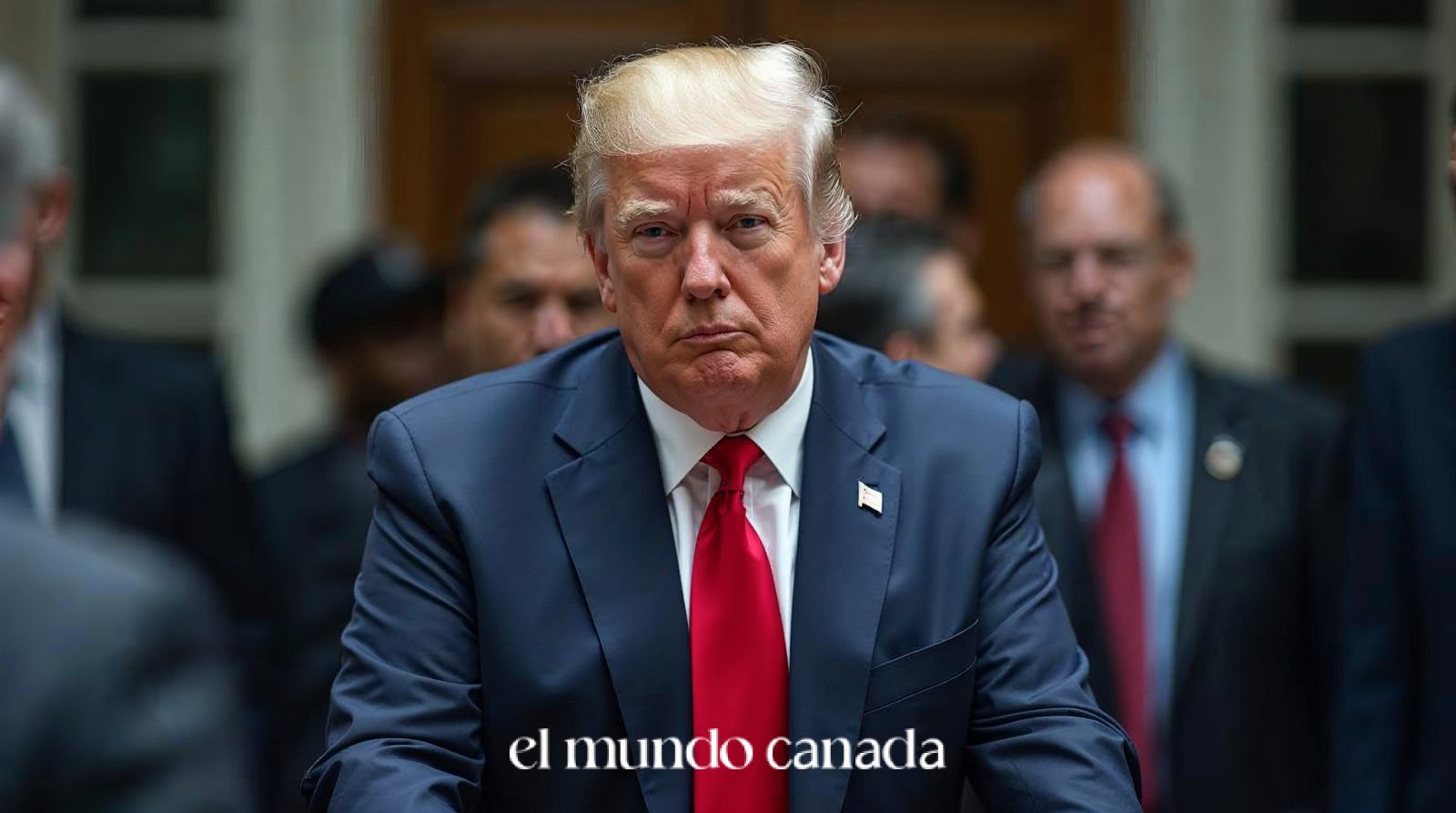
The intersection of cryptocurrency and political ethics continues to generate discussion in Washington, as Republican lawmakers consider how to address digital asset holdings by public officials. This ongoing debate has implications for investors and stakeholders across North America, including Canada.
The discussion comes at a time when cryptocurrency markets continue to mature and attract increased scrutiny from regulators worldwide. For the Latin community in Canada, many of whom have connections to U.S. financial markets and investment opportunities, understanding these policy developments becomes essential for making informed decisions about digital asset investments.
What Crypto Ethics Discussions Involve
Proposed crypto ethics measures represent attempts to establish clearer guidelines around cryptocurrency holdings and conflicts of interest for political figures. This type of ethics framework would potentially require disclosure requirements for officials who own or trade digital currencies while serving in government positions.
“The rapid growth of digital assets has created new challenges for ethics compliance that existing frameworks weren’t designed to address,” said Walter Shaub, former Director of the U.S. Office of Government Ethics (2013-2017). “Policymakers need to consider how cryptocurrency holdings by officials can create real or perceived conflicts when those same officials shape regulatory policy.”
Such measures reflect growing awareness that cryptocurrency investments by public officials can create perceived or actual conflicts of interest, particularly when those officials influence regulatory policy. The digital asset sector has seen explosive growth, making these considerations increasingly relevant for governance standards.
For Canadian observers, this development offers insights into how the United States may approach crypto regulation in coming years. Given the interconnected nature of North American financial markets, U.S. policy decisions often influence Canadian regulatory approaches.
Impact on Cryptocurrency Investors
The push for crypto ethics guidelines signals that cryptocurrency has achieved mainstream political recognition. This legitimization could have positive effects for investors seeking more stable and predictable regulatory environments. When political leaders actively engage with crypto policy, it often leads to clearer frameworks that benefit the broader investment community.
Canadian investors with holdings in U.S.-based cryptocurrency exchanges or digital assets should pay close attention to these developments. Similar to how Canada’s investment summit addressed major financial policy shifts, American crypto policy changes will likely ripple across the border.
The cryptocurrency market has historically responded to political announcements with significant price movements. Investors should maintain awareness of policy discussions that could affect their portfolio values and trading strategies.
Republican Party Crypto Strategy
The GOP’s approach to cryptocurrency has evolved considerably over recent years. By considering ethics requirements, the party aims to balance pro-innovation stances with accountability measures that address public concerns about insider advantages in the digital asset space.
This strategic positioning reflects broader political calculations about the crypto voter demographic, which includes significant numbers of younger voters and tech-savvy constituents. Ethics guidelines could serve as a way to appeal to voters concerned about government transparency while maintaining support for crypto innovation.
The Latin community across North America has shown increasing interest in cryptocurrency as both an investment vehicle and a means of cross-border transactions. Understanding U.S. political dynamics around digital assets helps community members make informed decisions about their financial futures.
Read more: Fake Insurance Scam: Mississauga Man Arrested
Cryptocurrency Regulation Landscape
The global cryptocurrency regulation landscape continues to evolve rapidly. Major economies are implementing various approaches, from comprehensive frameworks to more permissive environments. The United States has taken a fragmented approach, with multiple agencies claiming jurisdiction over different aspects of digital assets.
In Canada, the regulatory framework for cryptocurrency has developed under securities regulators and FINTRAC, the country’s financial intelligence unit. Canadian crypto exchanges must register and comply with anti-money laundering requirements, creating a more structured environment than exists in many jurisdictions.
The introduction of ethics discussions in U.S. political circles suggests growing maturity in how governments approach cryptocurrency oversight. This trend toward institutionalization could benefit legitimate investors while creating challenges for those seeking to operate outside regulatory frameworks.
What Canadian Investors Should Know
For Canadian residents interested in cryptocurrency investments, staying informed about U.S. policy developments remains crucial. Many popular crypto platforms operate under U.S. jurisdiction, meaning American regulations directly affect Canadian users.
The push for crypto ethics requirements may indicate future directions for North American digital asset policy. Investors should consider how potential disclosure requirements and conflict-of-interest rules might affect market dynamics and asset valuations.
Key considerations for Canadian crypto investors include monitoring U.S. legislative developments, understanding cross-border tax implications, and maintaining awareness of how Canadian regulators may respond to American policy shifts. Consulting with financial advisors familiar with both Canadian and U.S. regulatory environments can provide valuable guidance.
The Latin community in Canada often maintains financial ties across multiple jurisdictions, making comprehensive understanding of international crypto regulations particularly valuable. Digital assets offer unique opportunities for cross-border transactions, but navigating different regulatory requirements requires careful attention to compliance obligations.
What are crypto ethics requirements being discussed?
Crypto ethics requirements refer to proposed guidelines for disclosure and conflict-of-interest management related to cryptocurrency holdings by political figures. They aim to create transparency around digital asset investments held by those who influence regulatory policy.
How does U.S. crypto policy affect Canadian investors?
Many cryptocurrency platforms used by Canadians operate under U.S. jurisdiction. American regulatory decisions can affect platform availability, trading options, and market valuations for digital assets held by Canadian investors.
What should I consider before investing in cryptocurrency?
Cryptocurrency investments carry significant risk due to market volatility and evolving regulatory environments. Consider consulting with financial advisors, understanding tax obligations in Canada, and only investing amounts you can afford to lose.
How is cryptocurrency regulated in Canada?
In Canada, cryptocurrency falls under oversight by provincial securities regulators and FINTRAC. Crypto trading platforms must register as money services businesses and comply with anti-money laundering and know-your-customer requirements.
📘 Follow El Mundo Canada on our social networks: Facebook | Twitter | Instagram
As cryptocurrency policy continues to evolve across North America, discussions around ethics requirements represent one element of a broader regulatory transformation. Congressional discussions on digital asset frameworks continue as lawmakers work toward comprehensive crypto legislation.
Also read:
Lawmakers are expected to continue debating the proposed disclosure requirements in the weeks ahead.
