


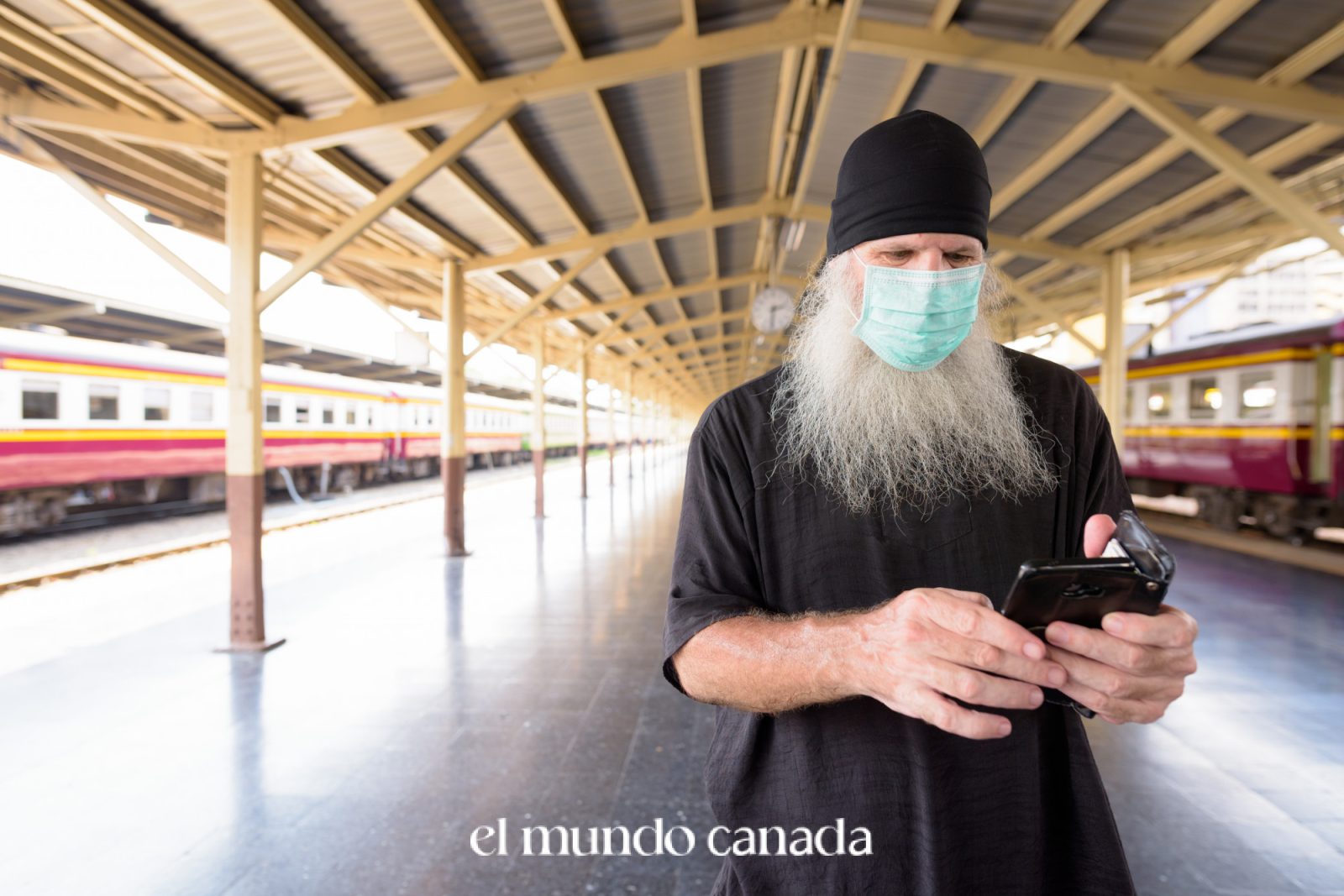
A railway worker was fatally struck by a train in Montreal, triggering an immediate safety alert across the region’s rail network. The incident, which occurred on September 12, 2026, has prompted authorities to review workplace safety protocols and issue warnings to both employees and the public about the dangers of railway operations.
The fatal collision underscores the ongoing risks faced by workers who maintain and operate Canada’s extensive rail infrastructure. While details about the exact circumstances remain under investigation, this tragedy serves as a stark reminder of the importance of strict safety compliance in railway environments where heavy machinery and high-speed trains operate continuously.
What We Know About the Incident
The collision occurred in Montreal, one of Canada’s busiest rail hubs, where freight and passenger trains traverse the metropolitan area daily. Railway workers in such environments face constant hazards, including moving equipment, electrified tracks, and limited visibility in certain conditions.
Authorities have not yet released the identity of the deceased worker pending notification of family members. Investigators are examining whether proper safety protocols were being followed at the time of the incident and whether any mechanical failures or communication breakdowns contributed to the tragedy.
The Transportation Safety Board of Canada typically investigates such incidents to determine root causes and issue recommendations to prevent future occurrences. Railway companies are required to maintain detailed records of safety training, equipment inspections, and incident reports.
Safety Alert: What It Means for Workers
Following the fatal incident, a safety alert has been issued to railway personnel across the Montreal region. Such alerts typically require workers to undergo additional safety briefings, review emergency procedures, and exercise heightened caution during track-side operations.
Railway workers are reminded of the cardinal safety rules that govern their profession:
- Never cross tracks without proper authorization and lookout protection
- Assume all tracks are active and trains can approach from either direction
- Maintain constant communication with train operators and dispatch
- Wear high-visibility gear and personal protective equipment at all times
- Follow lockout/tagout procedures before working on or near equipment
Supervisors are expected to conduct additional safety meetings in the coming days to reinforce these protocols and address any concerns workers may have about their working conditions.
Rail Safety Statistics in Canada
Railway incidents, while relatively rare compared to road accidents, carry high fatality rates due to the mass and speed of trains. Transport Canada monitors rail safety across the country’s 42,000 kilometers of federally regulated track.
Workers in the rail industry face unique occupational hazards. Maintenance crews, signal operators, and yard workers must remain vigilant around equipment that can weigh thousands of tons and take over a kilometer to stop even with emergency braking.
The Latin community in Canada includes many workers employed in transportation and logistics sectors, including rail operations. Understanding workplace safety rights and protocols is essential for anyone working in hazardous industrial environments. Workers have the right to refuse unsafe work under Canadian labor law, and employers must provide adequate training and protective equipment.
Read more: B.C. Election 2026: 7 Parties Battle for Votes
Impact on Montreal’s Rail Services
The incident may cause temporary service disruptions as investigators examine the scene and gather evidence. Commuters using rail services in the Greater Montreal Area should check with their transit providers for any schedule changes or delays.
Exo, the regional transit authority, and Via Rail typically coordinate with investigators during such incidents to minimize disruption while ensuring public safety. Freight operations through Canadian National Railway and Canadian Pacific Kansas City may also experience delays in the affected area.
For commuters concerned about their daily travel, most transit agencies provide real-time service updates through their websites and mobile applications. Having alternative routes planned is always advisable during major incidents affecting rail infrastructure.
Resources for Railway Workers and Families
Workers in the railway industry have access to various support resources, including union representation, employee assistance programs, and occupational health services. Those who witness traumatic incidents or feel unsafe at work should speak with their supervisors or union representatives immediately.
Families affected by workplace fatalities may be entitled to workers’ compensation benefits, grief counseling, and other support services. The Commission des normes, de l’équité, de la santé et de la sécurité du travail (CNESST) in Quebec handles workplace accident claims and can provide guidance on available benefits.
The railway worker community is typically close-knit, and colleagues of the deceased often organize support efforts for affected families. Memorial funds and community assistance are common following such tragedies.
Anyone with information about the incident or concerns about railway safety in their area can contact Transport Canada’s Rail Safety division or their local authorities. Reporting potential hazards helps prevent future tragedies and protects workers across the industry.
The investigation into this Montreal train collision is expected to take several weeks or months to complete. The Transportation Safety Board typically releases preliminary findings within 90 days of an incident, with final reports following after a comprehensive review of all evidence and contributing factors.
What should I do if I work near railway tracks?
Always follow your employer’s safety protocols, wear high-visibility clothing, maintain communication with dispatch, and never assume a track is inactive. If you feel unsafe, you have the right under Canadian labor law to refuse dangerous work.
Who investigates railway fatalities in Canada?
The Transportation Safety Board of Canada investigates railway incidents to determine causes and issue safety recommendations. In Quebec, the CNESST also investigates workplace accidents and ensures compliance with safety regulations.
Are railway workers entitled to compensation after workplace accidents?
Workers’ compensation is available through provincial agencies like CNESST in Quebec. Families of workers killed on the job may receive death benefits, funeral assistance, and ongoing support depending on their circumstances.
How can I report unsafe railway conditions?
Contact Transport Canada’s Rail Safety division to report safety concerns. You can also speak with your union representative or employer’s safety officer. Reporting hazards helps protect all railway workers.
📘 Follow El Mundo Canada on our social networks: Facebook | Twitter | Instagram
