


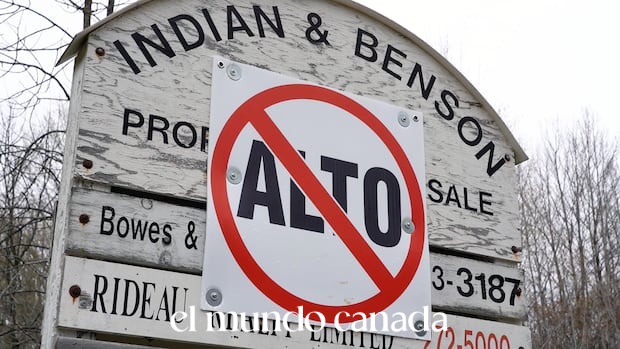
More than half of the public comments removed from Alto high-speed rail Canada consultations will be restored after officials acknowledged a significant moderation error. The announcement comes as the ambitious transportation project continues gathering feedback on its proposed route connecting major Canadian cities.
The reinstatement affects thousands of submissions that were incorrectly flagged and removed during the public consultation process. This development highlights the challenges of managing large-scale public engagement on major infrastructure projects.
What Happened to the Removed Comments
The Moderation Mistake Explained
Alto, the federal entity responsible for planning Canada’s high-speed rail network, recently completed a review of comments submitted through its interactive route map. The review revealed that moderation filters removed legitimate feedback that should have remained visible to the public.
According to officials, automated systems and human moderators incorrectly categorized many submissions as violations of community guidelines. These comments contained valid concerns, suggestions, and questions about the proposed rail corridor.
The error affected a substantial portion of public input. Officials confirmed that more than half of all removed comments qualified for reinstatement after closer examination.
Timeline of Events
The consultation platform launched earlier this year, inviting Canadians to share their thoughts on potential station locations and route alignments. Within weeks, moderators began removing comments they deemed inappropriate or off-topic.
Community members quickly noticed the disappearances and raised concerns about transparency. Several users reported that their substantive feedback vanished without explanation.
Alto responded by initiating an internal audit of all moderation decisions. The review process took several weeks to complete.
Public Reaction and Transparency Concerns
Community Response to the Announcement
The news of comment reinstatement generated mixed reactions from participants in the consultation process. Some expressed relief that their voices would finally be heard. Others questioned why the errors occurred in the first place.
Transportation advocates emphasized the importance of transparent public engagement for major infrastructure investments. The high-speed rail project represents billions of dollars in public spending and will affect communities across Ontario and Quebec.
Public trust depends on genuine two-way communication, noted observers familiar with infrastructure consultations. Removing legitimate feedback undermines confidence in the entire process.
Questions About Moderation Standards
The incident raises broader questions about how government agencies manage online public consultations. Automated content moderation tools often struggle to distinguish between inappropriate content and passionate criticism.
Alto officials acknowledged the need for improved moderation protocols. They committed to implementing clearer guidelines and additional human oversight for future submissions.
The organization also pledged greater transparency about why specific comments face removal. Users will receive explanations when their feedback does not meet publication standards.
The Alto High-Speed Rail Project Overview
Connecting Canadian Cities
The Alto rail initiative aims to establish dedicated high-speed passenger service between Toronto, Ottawa, Montreal, and Quebec City. The corridor would offer an alternative to air travel and highway congestion.
Project planners envision trains reaching speeds that dramatically reduce travel times between major urban centers. The service could transform regional transportation patterns and economic connections.
Environmental benefits also feature prominently in project justifications. Rail travel produces significantly fewer carbon emissions per passenger than air or automobile transportation.
Current Consultation Phase
The interactive map consultation represents one component of Alto’s broader engagement strategy. Officials seek input on preferred station locations, route alignments, and service frequencies.
Public feedback helps planners understand community priorities and identify potential challenges. Local knowledge often reveals issues that technical analyses might miss.
The consultation process will continue through the coming months. Alto encourages all interested Canadians to participate despite the recent moderation difficulties.
What This Means for Future Consultations
Lessons Learned
The comment removal controversy offers valuable lessons for managing large-scale digital engagement. Agencies must balance the need for civil discourse against the risk of silencing legitimate voices.
Over-aggressive moderation can damage public trust more than occasional inappropriate content. Finding the right balance requires ongoing attention and adjustment.
Alto’s willingness to acknowledge mistakes and restore removed comments demonstrates accountability. However, preventing such errors would serve stakeholders better than correcting them afterward.
Improved Processes Moving Forward
Officials outlined several changes to prevent similar problems. Enhanced training for human moderators will emphasize preserving substantive feedback even when expressed forcefully.
Automated filtering systems will undergo recalibration to reduce false positives. Technical teams will adjust sensitivity thresholds based on lessons from this incident.
Users whose comments were removed will receive notifications about reinstatement. They may also submit additional feedback through the ongoing consultation process.
How to Participate in the Consultation
Submitting Your Feedback
Canadians interested in shaping the high-speed rail network can still contribute through Alto’s official consultation platform. The interactive map allows users to comment on specific locations and route segments.
Effective submissions typically address specific concerns about proposed alignments. Comments explaining local conditions or suggesting alternatives provide particularly valuable input.
Participants should review community guidelines before posting. Understanding moderation standards helps ensure feedback remains visible and influential.
Making Your Voice Heard
Beyond the online map, Alto accepts input through various channels. Public meetings, written submissions, and stakeholder sessions offer additional opportunities for engagement.
Local community groups often coordinate responses to major infrastructure proposals. Joining these efforts can amplify individual voices and ensure comprehensive representation.
The consultation period remains open, and officials encourage ongoing participation. Every substantive comment contributes to better-informed planning decisions.
The reinstatement of removed comments marks a positive step toward transparent public engagement on Alto high-speed rail Canada planning. While the initial moderation errors caused frustration, the agency’s corrective response demonstrates commitment to genuine consultation. Canadians with opinions about this transformative infrastructure project should take advantage of remaining opportunities to share their perspectives and help shape the future of intercity transportation.
