


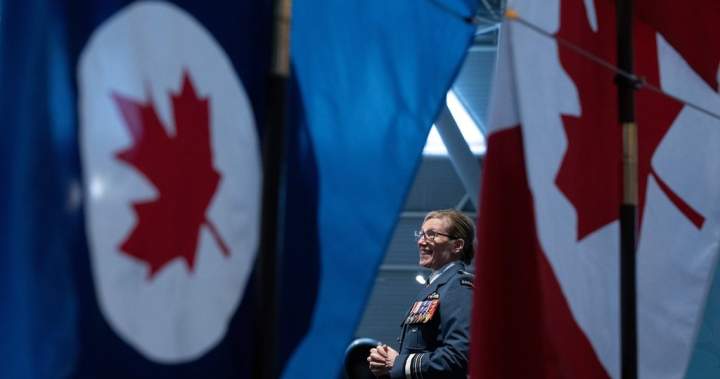
Canada’s Royal Canadian Air Force is experiencing a significant transformation thanks to increased federal defence spending, with pilots now logging more hours in the air than they have in years. Lieutenant-General Jamie Speiser-Blanchet, who took command of the RCAF in July 2025 as the first woman to lead the air force, confirmed on July 26, 2026, that the funding boost is already producing tangible results across multiple aircraft fleets.
What the Defence Spending Increase Means for Canada’s Air Power
The federal government’s commitment to meeting NATO spending targets has translated into real improvements on the ground and in the skies. Prime Minister Mark Carney’s administration announced a major spike in defence spending to fulfill Canada’s international commitments, and the military is now feeling those effects directly.
“By having this money, we were able to generate more spare parts and more flying hours. That results in more experienced personnel, more upgrades, more readiness,” said Lieutenant-General Speiser-Blanchet in a recent interview.
After years of declining flight hours, the RCAF is now seeing an upward trend. Key aircraft fleets benefiting from this defence spending increase include the CC-130 Hercules transport aircraft, the C-17 Globemaster strategic airlifters, and the CF-18 Hornet fighter jets. This renewed operational tempo allows Canadian forces to participate in more training exercises with allied nations, improving both readiness and interoperability.
Massive Modernization on the Horizon
The increased defence spending is funding one of the most ambitious modernization programs in Canadian military history. The RCAF is acquiring an impressive array of new equipment that will reshape its capabilities for decades to come.
- New fighter jets to replace the aging CF-18 Hornet fleet
- Advanced surveillance aircraft with enhanced detection capabilities
- Modern search-and-rescue planes for Canada’s vast territories
- Air-to-air refueling tankers to extend operational range
- Five new aircrew training fleets to prepare the next generation of pilots
However, this transformation comes with significant challenges. The air force must continue operating its current fleets while simultaneously bringing new systems online, overhauling training programs, and upgrading radar equipment across the country.
Challenges Facing the Royal Canadian Air Force
Despite the optimistic outlook, Lieutenant-General Speiser-Blanchet acknowledged that the pace of change sometimes causes concern. She described the modernization effort as “rebuilding the whole plane while it’s flying,” highlighting the complexity of maintaining operational readiness while transforming the entire service.
Personnel shortages remain a critical issue. The roughly 15,000-member force is still approximately 2,000 personnel short of its requirements. Internal government briefing notes warn that the RCAF will face tough decisions regarding project prioritization, personnel allocation, and the retirement of less-relevant capabilities.
One of the most difficult decisions already made was retiring and replacing the CT-114 Tutor jets used by the famous Snowbirds demonstration team. This iconic aircraft had become a symbol of Canadian aviation excellence, making its replacement an emotional as well as practical consideration.
What This Means for Canadians
For residents across Canada, including the Latin community, the defence spending increase represents a significant investment in national security. A more capable air force means better protection of Canadian airspace, improved search-and-rescue capabilities in remote regions, and stronger partnerships with allied nations.
The modernization also presents economic opportunities, as new bases and infrastructure will require construction and maintenance, potentially creating jobs in communities across the country. The five new training fleets could attract young Canadians interested in military aviation careers.
As Canada navigates an increasingly complex global security environment, with rapid advances in drone and missile technology transforming modern warfare, these investments in defence spending aim to ensure the country can meet both its domestic security needs and international commitments to NATO allies. Lieutenant-General Speiser-Blanchet remains optimistic, stating the RCAF’s “future is very bright” while maintaining a clear-eyed view of the challenges ahead.
