


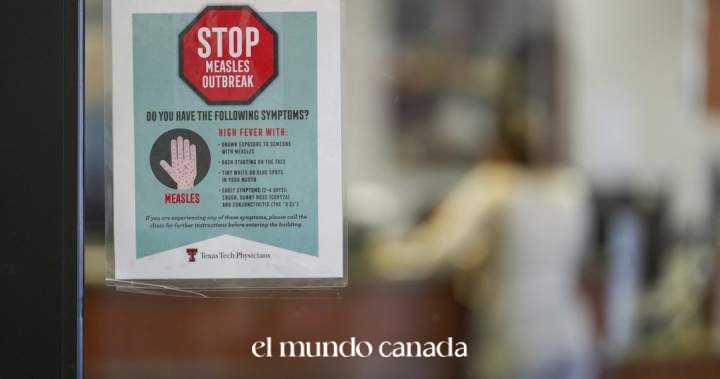
Canada measles cases have reached alarming levels, with 1,107 confirmed infections reported as of July 18, 2026 — representing half the total cases in the United States despite Canada having only one-tenth of its neighbor’s population. This disproportionate outbreak has health officials urging immediate action, particularly in communities with lower vaccination rates.
The World Health Organization released data showing the Americas region has recorded 47,459 measles cases this year, a figure three times higher than all cases reported throughout the entire previous year. For Latin families in Canada, understanding this public health crisis and taking preventive measures has become essential.
Americas Measles Outbreak Reaches Two-Decade High
The current measles surge represents the highest number of confirmed cases in North and South America in more than 20 years. The Pan American Health Organization (PAHO), which serves as WHO’s regional office for the Americas, has issued urgent alerts calling for strengthened vaccination programs across the continent.
The United States has confirmed 2,260 measles cases, while Canada’s 1,107 cases reveal a significantly higher per-capita infection rate. When population differences are considered, Canada’s outbreak appears approximately five times more severe relative to its size.
Globally, the situation mirrors regional concerns. Approximately 186,000 measles cases have been reported worldwide as of July 2026, marking a 12 percent increase compared to the same period last year.
Measles Claims 45 Lives Across the Americas
The human cost of this outbreak extends beyond infection numbers. WHO reports that measles has claimed 45 lives so far this year across the Americas region. The majority of these deaths have occurred in Guatemala and Mexico, highlighting the vulnerability of communities with limited healthcare access.
These fatalities serve as a stark reminder that measles, while preventable through vaccination, remains a potentially deadly disease. Children and immunocompromised individuals face the highest risks of severe complications.
“Measles leaves no room for complacency. We know how to stop it: achieving high vaccination coverage, detecting suspected cases early, and responding rapidly to interrupt chains of transmission,” said Daniel Salas, the executive manager of the Pan American Health Organization.
Salas emphasized that every outbreak exposes immunity gaps requiring urgent attention, particularly among children, under-vaccinated communities, and populations with limited access to health services.
Why Vaccination Coverage Remains Critical
Health authorities have identified several key factors contributing to the current measles resurgence. Declining vaccination rates in certain communities have created pockets of vulnerability where the highly contagious virus can spread rapidly.
The measles virus is one of the most infectious diseases known to medicine. A single infected person can transmit the virus to 90 percent of unvaccinated individuals in close contact. This extreme contagiousness makes high community vaccination rates essential for protection.
For Latin families in Canada, ensuring children receive their recommended measles vaccinations remains the most effective protection against infection. The MMR vaccine, which protects against measles, mumps, and rubella, is available free through provincial health programs.
Canada’s Public Health Response
The Public Health Agency of Canada has issued warnings about the high risk of measles transmission, particularly during large gatherings such as the FIFA World Cup. Officials stress the importance of verifying vaccination status before attending major events.
Provincial health authorities across Canada have strengthened surveillance measures to detect suspected cases early. Rapid outbreak response protocols aim to interrupt transmission chains before they spread through communities.
Healthcare providers are being asked to maintain heightened awareness for measles symptoms, especially in patients who have recently traveled or attended large public gatherings. Early detection remains crucial for containing outbreaks.
Read more: Canada Immigration Health Requirements 2026
Recognizing Measles Symptoms
Measles typically begins with high fever, cough, runny nose, and red, watery eyes. These initial symptoms appear approximately 10 to 14 days after exposure to the virus. A characteristic red rash develops several days later, usually starting on the face before spreading to the rest of the body.
Anyone experiencing these symptoms should contact their healthcare provider immediately, especially if they have not been vaccinated or are unsure of their vaccination status. It is important to call ahead before visiting a clinic to prevent potential exposure to others.
Complications from measles can include pneumonia, brain inflammation, and in severe cases, death. Children under five years old and adults over 20 face the highest risk of complications.
Protecting Your Family in Canada
Latin families in Canada can take several steps to protect themselves during this outbreak. Verifying that all family members have received recommended vaccinations should be the first priority. Provincial health records can confirm vaccination history.
For those born outside Canada, determining vaccination status may require additional steps. Many provinces offer free catch-up vaccinations for individuals who missed childhood immunizations. Contact your local public health unit for guidance on obtaining necessary vaccines.
Travelers should exercise particular caution. Anyone planning trips to regions with active measles outbreaks should ensure their vaccinations are current at least two weeks before departure to allow immunity to develop.
Impact on Latin Communities
Communities with lower vaccination rates face heightened vulnerability during measles outbreaks. Health authorities emphasize the importance of culturally appropriate outreach to ensure all residents have access to accurate information and vaccination services.
Many Latin families in Canada maintain strong connections with relatives in Central and South America. Given the significant outbreak activity in Guatemala and Mexico, travelers visiting family should take extra precautions to verify their protection against measles.
Public health officials encourage community leaders to help spread awareness about vaccination importance. Trusted voices within communities can play vital roles in addressing vaccine hesitancy and ensuring families have accurate health information.
What Comes Next for Canada
Health authorities anticipate continued vigilance will be necessary throughout the remainder of 2026. The current outbreak demonstrates how quickly measles can spread when vaccination coverage drops below optimal levels.
PAHO has called on all countries in the Americas to strengthen their vaccination programs, improve surveillance systems, and prepare rapid response capabilities. Canada’s provincial health systems are working to address immunity gaps identified through the current outbreak.
For individual families, the message remains clear: vaccination provides the best protection against measles. Those with questions about their vaccination status or concerns about the current outbreak should contact their healthcare provider or local public health authority.
How many measles cases has Canada reported in 2026?
Canada has confirmed 1,107 measles cases as of July 18, 2026, according to World Health Organization data. This represents half the number of cases reported in the United States, despite Canada having only one-tenth the population.
How can I check my family’s measles vaccination status?
Contact your provincial health authority to access vaccination records. Many provinces maintain immunization registries that can confirm which vaccines family members have received. Your family doctor can also help verify vaccination history.
Is the measles vaccine free in Canada?
Yes, the MMR vaccine protecting against measles, mumps, and rubella is available free through provincial health programs across Canada. Catch-up vaccinations are also available for those who missed childhood immunizations.
