


Canada pandemic preparedness is entering a new era as researchers at Polytechnique Montréal work to ensure the country never faces the same challenges it encountered during COVID-19. Six years after the global health crisis began, a cutting-edge biomedicine laboratory in downtown Montreal is leading efforts to protect Canadians from future outbreaks.
The facility is part of a federal initiative called Ramp Up, which brings together research institutions across Canada to address critical gaps in the nation’s biomanufacturing sector. For the Latin community in Canada, understanding these developments is essential, as pandemic preparedness affects healthcare access, employment stability, and family well-being.
Inside the Montreal Laboratory Fighting Future Pandemics
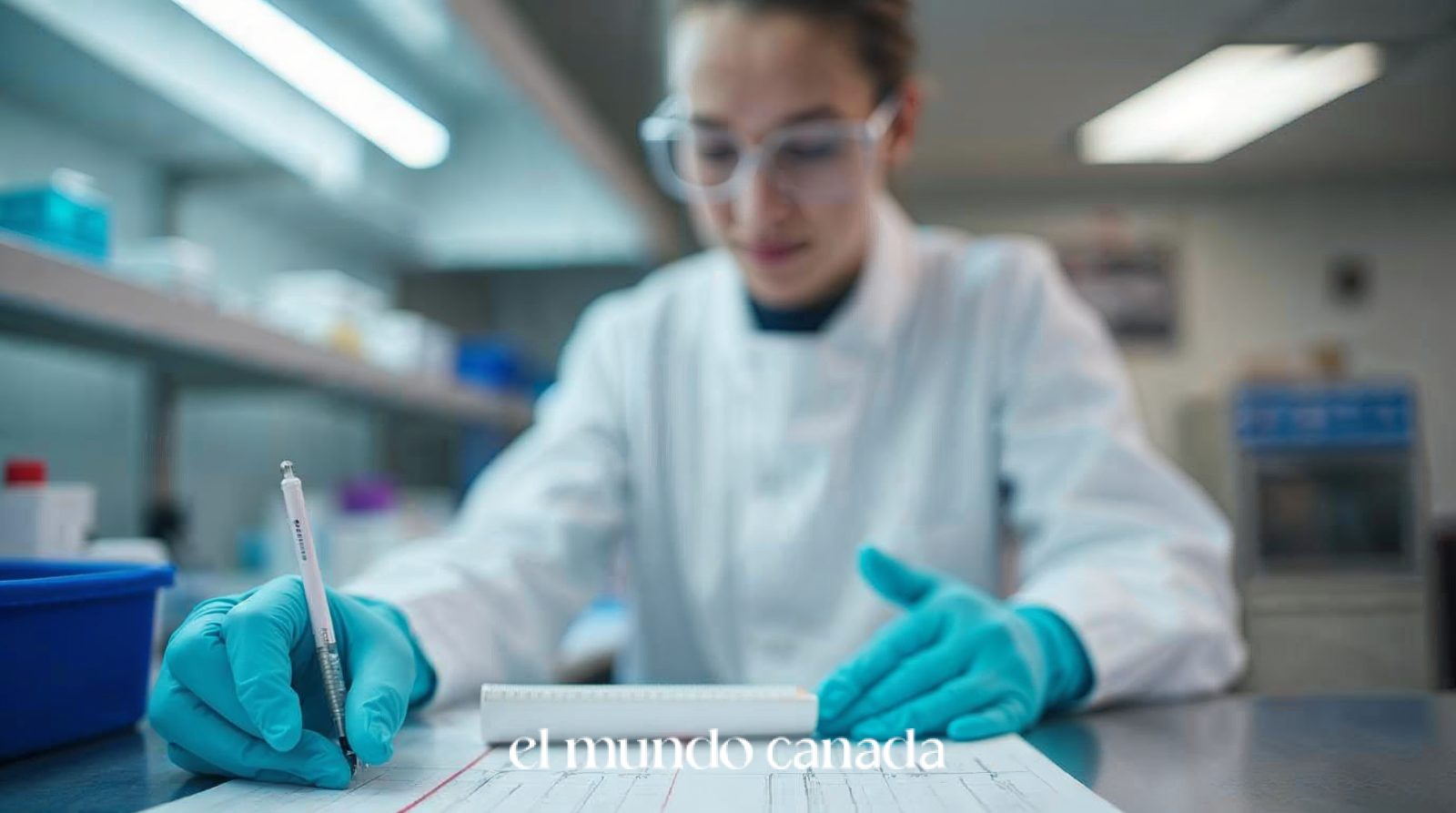
In the biomedicine laboratory at Polytechnique Montréal, animal protein grows in a bubbling orange solution while researchers wearing white lab coats carefully extract samples using large syringes. The scene represents the frontline of Canada’s pandemic defense strategy.
Neatly-labelled glass bottles filled with clear liquid line the shelves next to computer monitors. Scientists examine the antibodies produced by cells in real-time, tracking their development with precision. Down the hall, a large cryogenic freezer stores tubes containing samples of proteins and cells.
These preserved materials can be used to develop vaccines and medicines rapidly when a new threat emerges. The laboratory spans several rooms at the downtown Montreal engineering school, creating a comprehensive research environment.
The Ramp Up Initiative: Canada’s Strategic Response
The Ramp Up program represents Canada’s commitment to never being caught unprepared again. This federal initiative collaborates with research institutions nationwide to strengthen the biomanufacturing sector that proved inadequate during the COVID-19 crisis.
Head researcher Gregory De Crescenzo leads the Montreal team with a sobering perspective on future health threats. During a recent tour of the facility, he emphasized the inevitability of future outbreaks.
“It’s not a matter of if, but when.”
The program focuses on fast-tracking vaccine development and biomedical processes while simultaneously training students. Scientists primarily work with viruses such as influenza and bird flu, but De Crescenzo confirms the research applies to a wide range of diseases.
Lessons Learned from Canada’s COVID-19 Experience
Part of Ramp Up’s mission involves avoiding repetition of Canada’s mistakes during the COVID-19 pandemic. According to De Crescenzo, governments, academics, and industry stakeholders were working in silos when the crisis hit.
Canada’s biomedical production capacity was severely limited at the time. The supply chain emerged as one of the main challenges identified by the Ramp Up team. The country simply was not capable of producing vaccines on a large scale, and international imports faced significant restrictions.
The pandemic also saw the proliferation of vaccine misinformation. De Crescenzo hopes that giving the public a look inside his laboratory can help rebuild public trust in medicine. Transparency has become a key component of the initiative.
Training the Next Generation of Canadian Scientists
Students and researchers at the Polytechnique facility work with the same equipment found in commercial laboratories. This includes specialized tubes to grow cells and industrial freezers where samples and bacteria are preserved for the long term.
Partner laboratories help identify key components such as antibodies or viral proteins. The Polytechnique team then produces these components and works to scale them for industrial production. This collaboration creates a pipeline from research to real-world application.
De Crescenzo compares the laboratory’s role to creating recipes that can be replicated across the industry.
“Everything is normalized, is written, carefully verified, approved, transferred to the industries. We are way more prepared than before COVID, that’s for sure. The government has done a great job here to patch the blind spots.”
Remaining Challenges in Pandemic Preparedness
Despite significant progress, De Crescenzo acknowledges there is still work to ensure the processes developed at the laboratory can be scaled to industry effectively. Actors in government, academia, and industry are learning to work together more efficiently.
De Crescenzo requested patience from the Canadian public as these systems continue to develop.
“If we want to make something better and more resilient, please give us a couple of years. We’ve got to make sure that everybody’s on board.”
Isaac Bogoch, an infectious disease specialist at the University of Toronto, emphasizes that a coordinated, multi-sector approach to pandemic preparedness is crucial for success.
“It’s a whole of government and a whole of society response. There’s not one lab that’s going to do it,” Bogoch explains. While he finds the government’s investments in biomedicals encouraging, he notes that areas such as transportation, food safety, and public health infrastructure must also be improved.
Bogoch pointed to Canada’s response to the hantavirus outbreak on a cruise ship in May as an example of successful cross-sector collaboration. During that incident, four Canadians had to be repatriated and placed in preventive quarantine.
What This Means for Latin Communities in Canada
For Latin families across Canada, these developments in pandemic preparedness carry significant implications. Immigrant communities often work in essential industries that remain operational during health crises, making vaccine access and public health measures particularly important.
The Ramp Up initiative aims to ensure that Canada can produce vaccines domestically during future emergencies. This reduces dependence on international supply chains that proved unreliable during COVID-19. Faster vaccine production means quicker protection for all Canadian residents.
The emphasis on rebuilding public trust in medicine is also relevant for Latin communities, where misinformation in Spanish-language media sometimes creates confusion about vaccines and treatments. Greater transparency from Canadian researchers can help combat false narratives.
Students from Latin backgrounds interested in science and medicine may find new opportunities through programs like Ramp Up, which actively trains the next generation of biomedical researchers. These careers offer stable employment and the chance to contribute to public health.
How prepared is Canada for the next pandemic compared to COVID-19?
According to head researcher Gregory De Crescenzo, Canada is “way more prepared than before COVID.” The federal government has invested in initiatives like Ramp Up to address gaps in biomanufacturing and improve coordination between government, academia, and industry.
What is the Ramp Up initiative?
Ramp Up is a federal initiative that collaborates with research institutions across Canada to address gaps in the biomanufacturing sector. It focuses on fast-tracking vaccine development, biomedical processes, and training students to prepare for future health emergencies.
Where is the main pandemic preparedness lab located?
The main laboratory is located at Polytechnique Montréal, a downtown Montreal engineering school. The facility spans several rooms and includes cryogenic freezers, cell growth equipment, and computer monitoring systems.
What diseases are researchers studying?
Scientists at the Polytechnique laboratory mainly work with viruses such as influenza and bird flu. However, De Crescenzo confirms that the research can be applied to a wide range of diseases when needed.
📘 Follow El Mundo Canada on our social networks: Facebook | Twitter
