


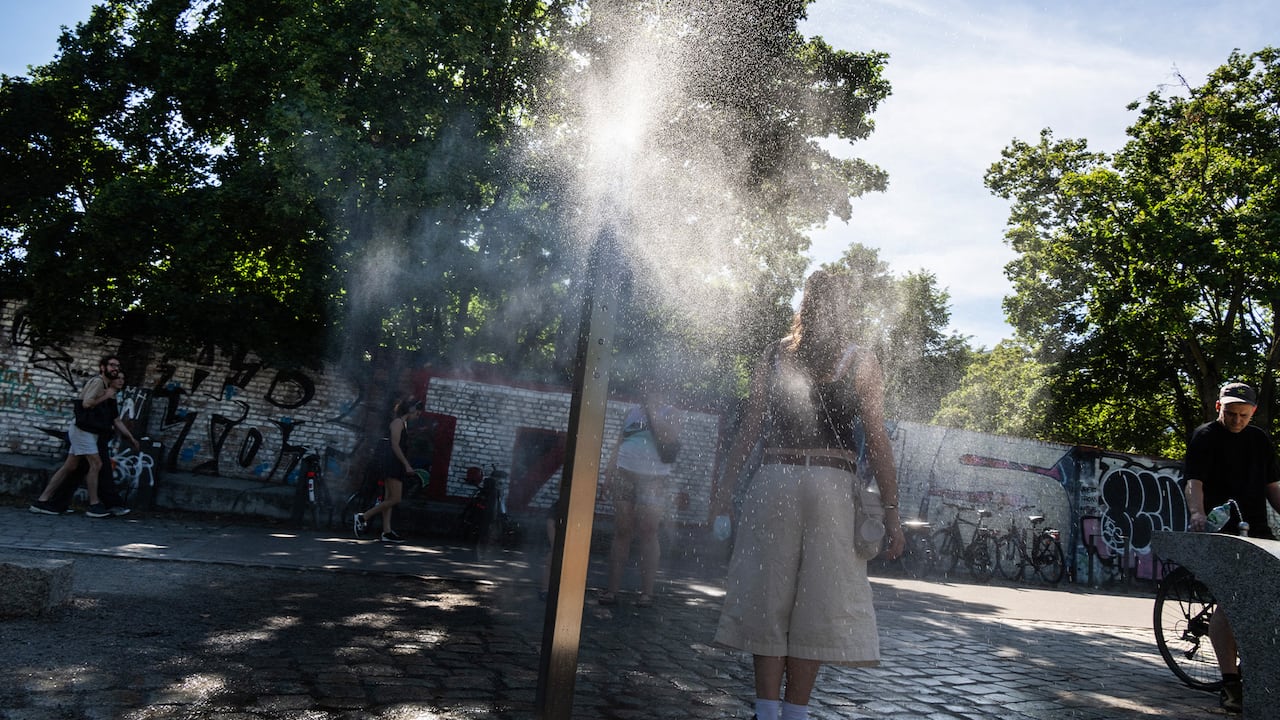
A deadly heat wave continues to spread across Europe, claiming lives and pushing emergency services to their limits as temperatures soar to dangerous levels. The extreme weather event has prompted urgent warnings from health officials and governments throughout the continent.
This Europe heat wave has become one of the most severe meteorological events of the year, affecting millions of residents and tourists alike. From the Mediterranean coastlines to northern capitals, communities are grappling with unprecedented high temperatures that show no immediate signs of relenting.
Record-Breaking Temperatures Grip the Continent
Southern Europe Bears the Brunt
Countries along the Mediterranean have experienced the most extreme conditions during this heat wave. Greece, Italy, Spain, and Portugal have all recorded temperatures exceeding 40°C (104°F) in multiple regions.
Tourist hotspots have become particularly dangerous zones. Authorities have reported heat-related fatalities among visitors unfamiliar with such extreme conditions. Local populations, while more accustomed to warm summers, are also struggling under the relentless heat.
The situation has forced officials to implement emergency protocols. Public cooling centers have opened in major cities, while outdoor work restrictions have taken effect during peak afternoon hours.
Northern Regions Experience Unusual Warmth
The heat wave has not confined itself to traditionally warm southern regions. Germany, France, and the United Kingdom have all experienced temperatures well above seasonal averages.
In areas where air conditioning remains uncommon in homes and public buildings, residents face particular challenges. The infrastructure in many northern European cities was simply not designed for such sustained high temperatures.
Health Crisis Emerges Across Multiple Countries
Rising Death Toll Raises Alarms
Health officials across Europe have confirmed multiple fatalities directly linked to the extreme heat. Elderly populations and those with pre-existing health conditions face the greatest risks during this dangerous period.
Hospitals in affected regions report surges in emergency admissions. Heat exhaustion, dehydration, and heat stroke cases have overwhelmed some medical facilities. Healthcare workers themselves are operating under extremely challenging conditions.
Governments have issued urgent advisories encouraging citizens to stay indoors during the hottest parts of the day. Officials recommend drinking plenty of water, avoiding alcohol, and checking on vulnerable neighbors and family members.
Vulnerable Populations at Greatest Risk
The homeless population faces acute dangers during this heat wave. Social services have scrambled to provide shelter and hydration to those living on the streets.
Young children and outdoor workers also fall into high-risk categories. Schools in some regions have closed early or canceled outdoor activities entirely. Construction sites and agricultural operations have adjusted schedules to protect workers.
Environmental and Economic Impact
Wildfires Threaten Multiple Regions
The extreme heat has created ideal conditions for devastating wildfires. Greece has battled numerous blazes, forcing evacuations of both residents and tourists from affected areas.
Portugal and Spain have also deployed significant firefighting resources. Dry vegetation and strong winds have complicated containment efforts in several locations.
The destruction extends beyond immediate fire damage. Air quality has deteriorated significantly in regions affected by smoke, creating additional health hazards for respiratory-sensitive individuals.
Agriculture and Energy Sectors Under Strain
Farmers across the continent face crop losses due to the sustained heat and accompanying drought conditions. Water restrictions have taken effect in multiple regions, affecting both agricultural irrigation and domestic consumption.
Energy grids are experiencing unprecedented demand as air conditioning usage spikes. Some countries have issued warnings about potential power shortages if consumption continues at current levels.
The tourism industry faces a complex situation. While some visitors have cut trips short, others have altered their plans to seek cooler northern destinations.
Climate Scientists Weigh In
Experts Link Event to Climate Change
Climate researchers have been quick to connect this deadly heat wave to broader patterns of global warming. Studies consistently show that extreme heat events are becoming more frequent, more intense, and longer-lasting.
Scientists emphasize that while individual weather events cannot be attributed solely to climate change, the overall trend is unmistakable. Europe is warming faster than the global average, making such events increasingly likely.
Future Projections Remain Concerning
Meteorologists warn that this heat wave may represent a preview of future summers. Without significant action to address greenhouse gas emissions, such extreme events will likely become routine occurrences.
Urban planners and public health officials are now examining how to better prepare infrastructure and emergency services for a warmer future. Investments in green spaces, cooling systems, and early warning networks are all under consideration.
How to Stay Safe During Extreme Heat
Authorities have issued comprehensive guidance for surviving this dangerous period. Hydration remains the single most important protective measure—experts recommend drinking water regularly, even before feeling thirsty.
Avoiding direct sun exposure between 11 a.m. and 4 p.m. can significantly reduce heat-related health risks. Light-colored, loose-fitting clothing helps the body regulate temperature more effectively.
Never leave children, elderly individuals, or pets in parked vehicles, where temperatures can quickly become fatal. Check on neighbors who may need assistance, particularly those living alone.
This deadly heat wave spreading across Europe serves as a stark reminder of the growing threat posed by extreme weather events. As temperatures continue to challenge records and claim lives, individuals, communities, and governments must take immediate action to protect vulnerable populations.
The coming days will require vigilance and community support to minimize further casualties. For the latest updates on conditions in your area, consult local meteorological services and follow official guidance.
