


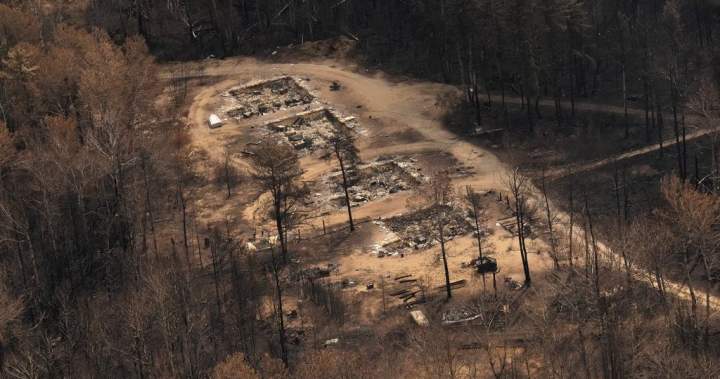
In a small but significant development for communities across Ontario, the Ministry of Natural Resources announced on July 24, 2026, that no new wildfires have ignited in the province over the past 24 hours. However, the situation remains dire as 177 active wildfires continue to burn across the region, forcing more than 1,800 residents from their homes in what early estimates suggest could be Ontario’s most devastating wildfire season ever recorded.
Current Wildfire Situation and Evacuations
The Ontario wildfire crisis has reached unprecedented levels this summer, with thousands of hectares of forest consumed by flames. The absence of new fires over a 24-hour period offers emergency responders a brief window to focus resources on containing existing blazes rather than responding to new outbreaks. Despite this temporary reprieve, the scale of displacement remains staggering, with entire communities forced to seek shelter in cities across the province.
Evacuees have sought refuge in several Ontario cities, with Thunder Bay serving as a primary evacuation center. Many displaced residents have traveled even further south to Toronto and Niagara Falls, where emergency shelters and community organizations are providing assistance. For members of the Latin community in Canada who may be wondering how to help or who have family members affected, local community centers and Red Cross chapters are accepting donations and volunteers.
Indigenous Communities Bear the Heaviest Burden
The Ontario wildfire emergency has disproportionately impacted Indigenous communities, with First Nations comprising 12 of the 13 communities that have been evacuated. This stark statistic highlights the vulnerability of remote northern communities, which often face challenges in terms of infrastructure, resources, and access to firefighting support. Indigenous leaders have been vocal about the need for better preparedness and response systems.
Indigenous leaders have called for a public inquiry into the Ontario government’s wildfire response, citing concerns that some communities were essentially left to fend for themselves during the crisis.
The call for accountability has sparked a significant political debate, with Premier Doug Ford defending his government’s actions. On July 22, 2026, the Premier stated that his administration did everything possible to address the fast-moving fires and disagreed with suggestions that more could have been done to prepare for the season.
What You Need to Know: Resources and Safety Information
For residents across Ontario, particularly those in northern and central regions, staying informed about wildfire conditions is essential. Here are key resources and steps to consider during this wildfire emergency:
- Monitor official updates from the Ontario Ministry of Natural Resources and local emergency services
- Have an emergency evacuation plan ready, including important documents and essential supplies
- Check air quality indexes regularly, especially if you have respiratory conditions
- Know your nearest evacuation routes and shelter locations
- Register with local emergency notification systems to receive real-time alerts
- Keep vehicles fueled and ready in case of sudden evacuation orders
How the Latin Community Can Help and Stay Connected
For members of the Latin community in Canada looking to support those affected by the Ontario wildfire crisis, there are several ways to contribute. Many organizations are collecting donations of clothing, non-perishable food items, and hygiene products for evacuees. Financial contributions to the Canadian Red Cross or local Indigenous support organizations can also make a meaningful difference.
Community members with translation skills can volunteer to help Spanish-speaking evacuees navigate emergency services and access resources. Several churches and community centers in Toronto and Thunder Bay are coordinating relief efforts and welcome volunteers from all backgrounds.
Looking Ahead: What This Wildfire Season Means for Ontario
The 2026 wildfire season has already surpassed previous records in terms of destruction and displacement, and summer is far from over. Climate experts point to increasingly dry conditions and higher temperatures as contributing factors to the severity of this year’s fires. The wildfire crisis serves as a stark reminder of the growing challenges posed by climate change and the need for enhanced emergency preparedness across all levels of government.
As Ontario continues to battle these 177 active wildfires, the focus remains on protecting lives, supporting evacuated communities, and working toward containment. The coming weeks will be critical in determining whether the province can gain control of the situation before conditions potentially worsen. For now, the absence of new fires offers a moment of cautious optimism amid an otherwise challenging summer for Ontario residents.
