


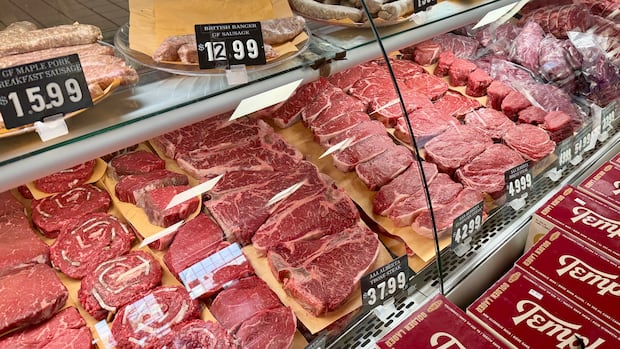
Summer grilling season has arrived, but backyard chefs across North America face a harsh reality at the meat counter. Beef prices summer 2025 have reached unprecedented levels, transforming the classic steak dinner from a casual indulgence into a carefully budgeted expense.
The sizzle of steaks on the grill remains a beloved tradition, yet consumers now pay significantly more for that experience. Understanding what drives these price increases can help families plan smarter and still enjoy their summer cookouts without breaking the bank.
The Perfect Storm Behind Rising Beef Costs
Several factors have converged to push beef prices to historic highs this grilling season. The North American cattle herd has shrunk to its smallest size in decades, creating a fundamental supply shortage that ripples through the entire meat market.
Years of drought conditions across major cattle-producing regions forced ranchers to cull their herds earlier than planned. Rebuilding those herds takes time—typically three to four years—meaning relief won’t arrive quickly.
When you have fewer cattle going to market, prices naturally rise, according to agricultural economists who track livestock market trends. The basic economics of supply and demand have created a seller’s market for beef producers.
How Much More Will You Pay?
The numbers tell a sobering story for BBQ enthusiasts planning their summer menus. Premium cuts like ribeye and New York strip have seen price increases of 15 to 25 percent compared to last year.
Ground beef, often considered the budget-friendly option, hasn’t escaped the trend. Families accustomed to affordable burger nights now face notably higher costs per pound at grocery stores and butcher shops.
Restaurant prices reflect these wholesale increases as well. Steakhouses and casual dining establishments have adjusted their menus accordingly, passing along at least some of the increased costs to diners.
The Rancher’s Perspective
Behind every price tag stands a producer facing their own economic pressures. Cattle ranchers have weathered years of challenging conditions that make their operations increasingly difficult to sustain.
Feed costs remain elevated following global supply chain disruptions. Labor shortages affect processing plants, creating bottlenecks that add costs throughout the beef supply chain. Transportation expenses continue to strain margins.
Many smaller ranching operations have exited the industry entirely, unable to absorb these compounding expenses. The remaining producers must achieve higher prices simply to stay viable.
Smart Strategies for Budget-Conscious Grillers
Despite the challenging price environment, summer grilling doesn’t have to devastate your budget. Strategic shopping and cooking approaches can help stretch your grocery budget further.
Consider exploring alternative cuts that deliver excellent flavor at lower price points. Flank steak, skirt steak, and chuck roast offer satisfying results when prepared properly. These cuts benefit from marinades and slower cooking methods that tenderize the meat beautifully.
Buying in bulk when sales occur provides another avenue for savings. Many grocers offer periodic discounts on larger quantities, allowing families to stock their freezers at better prices.
Mixing proteins throughout the summer also helps balance costs. Incorporating chicken, pork, and plant-based options into your grilling rotation reduces overall spending while adding variety to your outdoor cooking repertoire.
What Experts Predict for the Coming Months
Industry analysts don’t expect significant relief in the near term. The cattle cycle requires years to shift, meaning high beef prices will likely persist through 2025 and potentially into 2026.
Some forecasters suggest prices could climb another 5 to 10 percent before stabilizing. Weather conditions in key ranching regions will play a crucial role in determining how quickly herds can rebuild.
Consumer behavior may ultimately influence market dynamics as well. If shoppers significantly reduce beef purchases, retailers might respond with more aggressive promotions to move inventory.
The Broader Impact on Food Culture
Rising steak prices reflect larger shifts in the food system that extend beyond temporary market fluctuations. Climate patterns, land use changes, and evolving consumer preferences all shape the future of beef production.
Some food industry observers note growing interest in alternative proteins as cost pressures mount. Plant-based options and other protein sources may capture market share from traditional beef as price-sensitive consumers explore their options.
However, the cultural attachment to grilled beef remains strong. Industry experts believe dedicated BBQ lovers will continue prioritizing quality meat, even if they purchase smaller quantities or reserve it for special occasions.
Making the Most of Your Summer Grilling
The key to enjoying summer 2025’s grilling season lies in adaptation rather than abandonment. Treating beef as a premium ingredient worth savoring—rather than an everyday commodity—matches both current market realities and culinary best practices.
Investing in proper preparation techniques ensures you extract maximum value from every purchase. Learning to grill less expensive cuts to perfection often yields more satisfaction than overcooking a premium steak.
Building meals around smaller portions of high-quality beef, supplemented with grilled vegetables and sides, creates satisfying experiences without excessive expense.
Conclusion
Beef prices summer 2025 present real challenges for families who cherish their grilling traditions. Supply constraints, production costs, and market dynamics have combined to push costs to levels that demand attention and adjustment. However, informed consumers can navigate this environment successfully by exploring alternative cuts, shopping strategically, and embracing variety in their outdoor cooking. The summer BBQ tradition endures—it simply requires a bit more planning and creativity this year.
