


While many Canadians associate carbon monoxide poisoning with winter heating systems, energy officials are sounding the alarm about summer dangers that could put families at serious risk. On July 29, 2026, SaskEnergy issued a critical public safety announcement reminding residents that carbon monoxide threats remain very real during the warmest months of the year, particularly when air conditioning units are in heavy use.
The warning comes as southern Saskatchewan experiences a heat wave, with temperatures forecast to reach 32°C in cities like Regina and Moose Jaw. As families across the province crank up their air conditioners to escape the sweltering conditions, understanding the hidden dangers of carbon monoxide exposure becomes essential for protecting your household.
Understanding the Summer Carbon Monoxide Risk
Carbon monoxide is often called the silent killer for good reason. This odorless, colorless, and tasteless gas is produced when fuels such as natural gas, propane, gasoline, or wood are burned. During summer months, the risk of carbon monoxide buildup increases due to a phenomenon called depressurization, which occurs when air conditioning systems exhaust indoor air faster than fresh air can enter the home.
“Without proper ventilation or air supply, CO can build up in enclosed spaces such as homes, cottages and campers, creating a serious risk of illness or death,” SaskEnergy stated in their public safety announcement.
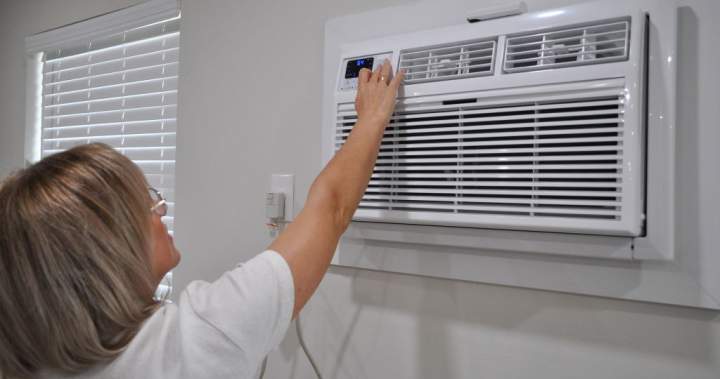
Portable air conditioners and wall or window-mounted units are particularly concerning. When these devices create negative pressure inside a home, they can cause combustion gases to be drawn back into living spaces through furnaces, water heaters, and other fuel-burning appliances. This process can happen without any visible signs, making it especially dangerous for unsuspecting families.
Essential Safety Tips for Canadian Families
Protecting your household from carbon monoxide poisoning during summer requires awareness and proactive measures. SaskEnergy has outlined several important recommendations that every Canadian family should follow to minimize their risk of exposure to this potentially deadly gas.
Ventilation Best Practices
- Leave a door or window slightly open to allow fresh air circulation while running your air conditioner
- Avoid positioning your AC unit’s ventilation near gas stoves, barbecue grills, or areas where vehicles idle
- Never operate multiple air-exhausting devices simultaneously in the same room, including bathroom fans, kitchen exhaust fans, and AC units
- Ensure external exhaust vents are clear of debris, leaves, and obstructions
Appliance Maintenance and Inspection
- Have all fuel-burning appliances inspected and maintained regularly by qualified professionals
- Check gas stoves and barbecue grills before each use during summer months
- Ensure water heaters and furnaces are functioning properly, even during warm weather
- Install carbon monoxide detectors on every level of your home and test them monthly
What the Latin Community in Canada Should Know
For newcomers to Canada, understanding seasonal safety hazards is crucial for protecting your family. Many Latin American immigrants may come from climates where carbon monoxide poisoning is less commonly discussed or where different heating and cooling systems are used. Taking time to learn about these risks and implementing safety measures can literally save lives.
Community organizations across Canada often provide resources in multiple languages to help immigrant families understand home safety protocols. If you have recently arrived in Canada or are unfamiliar with the carbon monoxide risks associated with Canadian homes, consider reaching out to local settlement services for additional guidance and support.
Recognizing Carbon Monoxide Poisoning Symptoms
Knowing the warning signs of carbon monoxide exposure can help you act quickly if a dangerous situation develops. Early symptoms of carbon monoxide poisoning include headaches, dizziness, nausea, confusion, and fatigue. These symptoms can easily be mistaken for other conditions, which is why having working detectors is so important.
If you suspect carbon monoxide exposure, immediately evacuate your home and call emergency services. Do not re-enter the building until professionals have declared it safe. The invisible nature of this gas makes it imperative that families have proper detection equipment installed and maintain vigilance about ventilation practices.
As heat warnings continue across southern Saskatchewan and other parts of Canada, staying cool should never come at the expense of safety. By following these guidelines and maintaining awareness of carbon monoxide risks, Canadian families can enjoy comfortable summer temperatures while keeping their households protected from this silent threat.
