


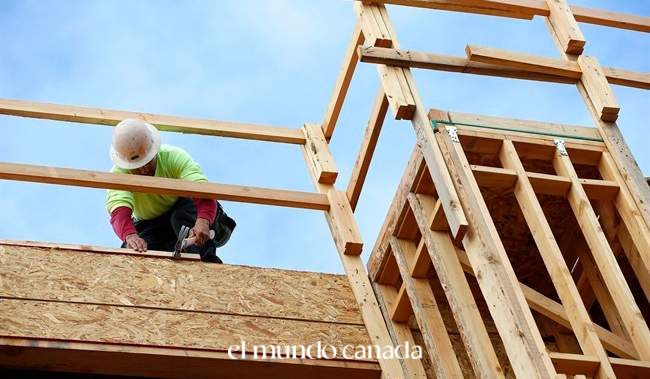
Edmonton is taking bold steps to address housing needs while maximizing public transit infrastructure with a proposed $50 million incentive program. The Infill Infrastructure Program, presented to the Urban Planning Committee on Tuesday, August 11, 2026, aims to encourage residential development near LRT stations and transit centres across the city.
This Edmonton transit housing initiative could transform how residents, including the growing Latin community, access affordable homes connected to reliable public transportation. For newcomers and immigrant families who often rely on transit, this development strategy represents a significant opportunity for better urban living.
What the Infill Infrastructure Program Offers
The City of Edmonton administration designed the Infill Infrastructure Program to incentivize builders and developers to construct residential units along priority growth areas. These designated zones specifically include neighborhoods surrounding LRT stations and major transit centres throughout Edmonton.
Committee Chair Anne Stevenson expressed optimism about the program’s potential impact on the city’s urban development future. The initiative directly addresses the need for more transit-oriented development in a city that has already invested heavily in public transportation infrastructure.
“We have trains that are running, we have buses that are running. By putting more people on those lines, we get higher ridership, we have more people using that infrastructure that we’ve already invested in.”
This statement from Stevenson highlights the dual benefit of the program: creating housing while improving the efficiency of existing transit investments.
Why Transit-Oriented Development Matters
The concept of transit-oriented development has gained momentum across Canada as cities grapple with housing affordability and urban sprawl challenges. By concentrating residential construction near transit hubs, cities can achieve multiple goals simultaneously.
Higher population density near LRT stations means more riders for public transit systems. This increased ridership helps justify the significant investments cities make in building and maintaining rail infrastructure. For Edmonton, maximizing the return on these transit investments is a key priority.
Residents living near transit centres often enjoy reduced transportation costs since they can rely less on personal vehicles. This benefit particularly helps newcomer families and those with lower incomes who may find car ownership financially challenging.
Impact on Latino Community Housing Options
The Latin community in Edmonton stands to benefit significantly from increased transit-oriented housing development. Many immigrant families initially settle in areas with good public transit access as they establish themselves in their new city.
Affordable housing near LRT lines can provide crucial connectivity to employment centres, schools, and community services. The $50 million incentive program could stimulate construction of various housing types, from apartment buildings to townhouses, expanding options for diverse family sizes.
For Latino workers employed across different parts of Edmonton, living near transit hubs offers reliable commuting options without the expense of maintaining a vehicle during harsh Alberta winters.
Read more: How Canadian Cities Are Tackling the Housing Crisis
Priority Growth Areas in Edmonton
The City of Edmonton has identified specific priority growth areas eligible for the Infill Infrastructure Program incentives. These zones focus on locations where existing transit infrastructure can support increased residential density.
Areas near LRT stations throughout the city’s expanding light rail network are primary targets. The transit centres that serve as connection points for multiple bus routes also qualify as priority development zones.
Developers interested in building within these areas can access the incentive funds to help offset infrastructure costs associated with infill development. This financial support can make previously marginal projects economically viable.
Community Concerns and Future Outlook
While the Urban Planning Committee moves forward with the Infill Infrastructure Program, some east end development proposals have raised concerns among existing residents. Balancing new construction with neighborhood character remains an ongoing challenge for Edmonton planners.
The $50 million program represents a significant commitment to reshaping Edmonton’s urban landscape. If successful, this initiative could serve as a model for other Canadian cities seeking to integrate housing development with public transit planning.
Committee Chair Stevenson and other city officials will continue working to ensure the program achieves its goals of increasing ridership while expanding housing options for Edmonton residents.
For the Latin community and other newcomers to Edmonton, this transit-oriented development push could mean more accessible, affordable housing options connected to the city’s growing public transportation network. The initiative reflects Edmonton’s commitment to building a more connected and accessible city for all residents.
What is Edmonton’s Infill Infrastructure Program?
The Infill Infrastructure Program is a proposed $50 million initiative by the City of Edmonton to incentivize residential development near LRT stations and transit centres. The program targets priority growth areas to increase housing while boosting public transit ridership.
How does transit-oriented development benefit Edmonton residents?
Transit-oriented development provides residents with housing near public transportation, reducing dependence on personal vehicles and lowering transportation costs. It also maximizes the city’s investment in LRT infrastructure by increasing ridership.
Which areas in Edmonton qualify for housing incentives?
The priority growth areas include neighborhoods surrounding LRT stations and major transit centres throughout Edmonton. These zones have been identified by the city administration as optimal locations for increased residential density.
📘 Follow El Mundo Canada on our social networks: Facebook | Twitter
