


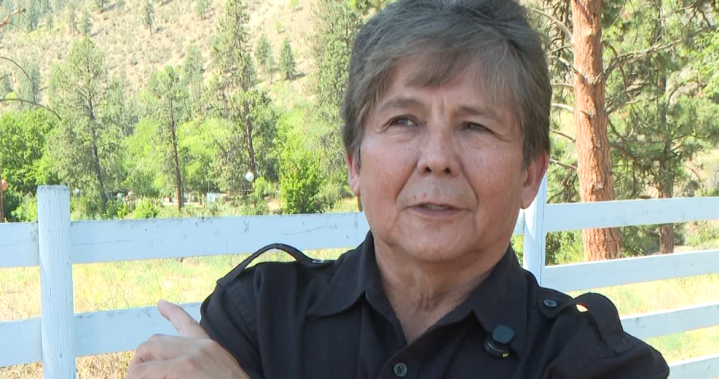
In a significant development for Indigenous land rights in British Columbia, the Osoyoos Band has entered into formal negotiations with the provincial government to reclaim sacred sites and ancestral burial grounds through a landmark land swap arrangement. The discussions, which gained momentum in mid-July 2026, could reshape the boundaries of the reserve in the South Okanagan region.
A Historic Negotiation for Sacred Lands
Osoyoos Band Chief Clarence Louie has been at the forefront of these negotiations, which have been years in the making. The band is not seeking the return of the highways that currently cross through their reserve land. Instead, they are proposing a practical exchange: allowing the province to maintain control of the roadways while the band receives Crown land of comparable value in return.
The lands being discussed hold profound spiritual and cultural significance for the Osoyoos people. Among the sites under negotiation are ancestral burial grounds and locations that have served as sacred spaces for countless generations.
“Natives didn’t have churches. We had landmarks, like Spotted Lake — that’s our church. We want our churches back, and we want our grave sites back,” Chief Louie explained during the negotiations.
This powerful statement underscores the deep spiritual connection Indigenous peoples maintain with their traditional territories, a bond that goes far beyond simple property ownership.
Addressing Community Concerns
One of the most persistent misconceptions surrounding these negotiations has been the fear among nearby homeowners that their properties might be affected. Chief Louie has been clear and emphatic in addressing these concerns, assuring residents that private property has never been part of the discussions.
The key points of the negotiation include:
- No private property is being considered in the land swap
- Public highways will remain open and accessible to all
- Only Crown land is being negotiated
- The focus is on culturally significant sites and burial grounds
- Both parties are seeking a mutually beneficial outcome
Spencer Chandra Herbert, British Columbia’s Minister of Indigenous Relations and Reconciliation, has expressed support for this collaborative approach to resolving historical land disputes.
“You actually get more done when you work together. When you find mutual interest you get more out of it,” Minister Chandra Herbert stated.
A Model for Future Reconciliation
The negotiations between the Osoyoos Band and the provincial government represent a promising model for how historic land disputes can be resolved without lengthy and costly court battles. By choosing dialogue over litigation, both parties have the opportunity to reach an agreement that respects Indigenous rights while maintaining public infrastructure.
For Chief Louie, this process demonstrates that land claims do not have to create division between communities. The negotiation process has even included cultural exchange, with one of the province’s mediators participating in a sweat lodge ceremony, a sacred purification ritual practiced by many Indigenous peoples.
The potential agreement would mark a significant step forward in the ongoing process of reconciliation between Indigenous peoples and the Canadian government. It acknowledges the historical injustices faced by the Osoyoos Band while finding practical solutions that work for everyone involved.
Looking Toward the Future
As these negotiations continue, the Osoyoos Band remains hopeful that they will soon see the return of lands that hold deep spiritual significance for their community. For Chief Louie, driving past these sacred sites on the highway serves as a daily reminder of what was taken from his people more than a century ago.
The outcome of these discussions could set an important precedent for other Indigenous communities across Canada who are seeking the return of their traditional territories through peaceful negotiation rather than confrontation. It represents a path forward that honors the past while building a more just future for all Canadians.
