


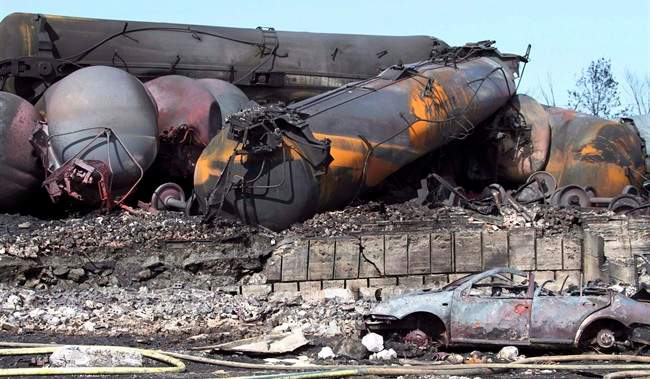
In a decision that brings long-awaited relief to a grieving Quebec community, the Canadian Transportation Agency (CTA) has officially approved the construction of a railway bypass in Lac-Mégantic. The announcement, made on July 17, 2026, comes exactly 13 years after a catastrophic train derailment claimed 47 lives and devastated the heart of this small municipality located approximately 200 kilometers east of Montreal.
A Community’s Fight for Safety Finally Reaches Its Goal
The approved project encompasses 12.5 kilometers of new railway tracks designed to redirect freight trains around the town rather than through its residential and commercial core. For over a decade, residents of Lac-Mégantic have lived with the constant fear that another disaster could occur, watching trains carrying hazardous materials roll through the same areas where their neighbors perished.
“From day one, our community has had one fundamental goal: to permanently remove the railway tracks from inhabited areas in order to rebuild our sense of security and continue our reconstruction. This decision by the CTA confirms that we are finally reaching our goal. This is a moment of profound relief and optimism for the future of our community.” — Mayor Julie Morin, Lac-Mégantic
The tragedy that sparked this decade-long advocacy effort occurred on July 6, 2013, when a freight train carrying 72 tank cars filled with crude oil derailed in the center of town. The resulting explosion and fire killed 47 people and completely destroyed several city blocks, leaving the community physically and emotionally scarred. The disaster remains one of the deadliest rail accidents in Canadian history.
Long Road to Approval: Timeline of the Bypass Project
The journey to this approval has been marked by years of planning, advocacy, and bureaucratic processes. Here is how the project evolved over time:
- 2013: Initial tragedy prompts community to propose railway bypass
- 2018: Federal and provincial governments commit to financing the project
- September 2025: Canadian Pacific Railway Company submits formal application to CTA
- 2025-2026: Extensive consultations with stakeholders, residents, and Indigenous communities
- July 17, 2026: CTA announces official approval of the bypass
The Canadian Pacific Railway Company filed its formal application with the transportation agency in September 2025, initiating months of comprehensive consultations. The CTA engaged with various stakeholders, local residents who would be affected by the new route, and Indigenous communities whose traditional territories intersect with the proposed bypass corridor.
Environmental Considerations and Community Concerns Addressed
The approval process was not without its challenges. Some residents expressed concerns about the potential impact of the new railway line on local water systems and the surrounding environment. The CTA carefully evaluated these concerns and determined that most could be adequately mitigated through proper planning and monitoring.
According to the CTA report, several environmental safeguards will be implemented:
- Watershed quality monitoring for a minimum of five years
- Confirmation of groundwater stabilization through ongoing testing
- Public sharing of all environmental reports and monitoring data
- Implementation of mitigation measures to address community concerns
The agency stated in its decision that it is satisfied the bypass location is reasonable, taking into account both the railway company’s operational and service requirements as well as the interests of local communities and Indigenous peoples.
Federal Government Welcomes Historic Decision
Federal Minister of Transportation Steven MacKinnon expressed strong support for the CTA’s decision, calling it a significant step forward for the Lac-Mégantic community. The minister emphasized that this approval brings the region closer to beginning construction on a project that has been awaited for over a decade.
“This decision brings us closer to the start of construction on a long-awaited project that will help improve the community’s safety and quality of life,” MacKinnon stated in a press release following the announcement.
Mayor Morin has expressed eagerness for construction to begin as quickly as possible, though no official timeline has been established for when work will commence. The community, which has spent 13 years rebuilding both its infrastructure and its collective spirit, now looks forward to a future where the railway no longer poses a daily reminder of the tragedy that forever changed their lives.
For the Latin community in Canada, particularly those living in Quebec, this development represents an important milestone in infrastructure safety and community advocacy. It demonstrates how persistent community efforts, combined with government support, can eventually lead to meaningful change even when the process takes years to complete.
