


Uranium City, the once-abandoned mining settlement in northern Saskatchewan, is experiencing its most active exploration period in two decades. As global demand for nuclear energy intensifies, four exploration companies have descended on this remote community located approximately 800 kilometres northwest of Saskatoon, bringing renewed hope to a town that nearly vanished from the map over 40 years ago.
The Uranium City revival represents more than just an economic opportunity. For the fewer than 100 residents who remain in this northern settlement, and the hundreds of former residents scattered across the globe, this resurgence marks a potential new chapter for a community built on Canada’s uranium-rich Athabasca Basin.
A Town Built on Uranium Dreams
Uranium City was established by the Saskatchewan provincial government in 1952 as uranium mining operations attracted workers and their families to the remote north. During its peak, the settlement was home to nearly 2,500 residents and featured all the amenities of a thriving community.
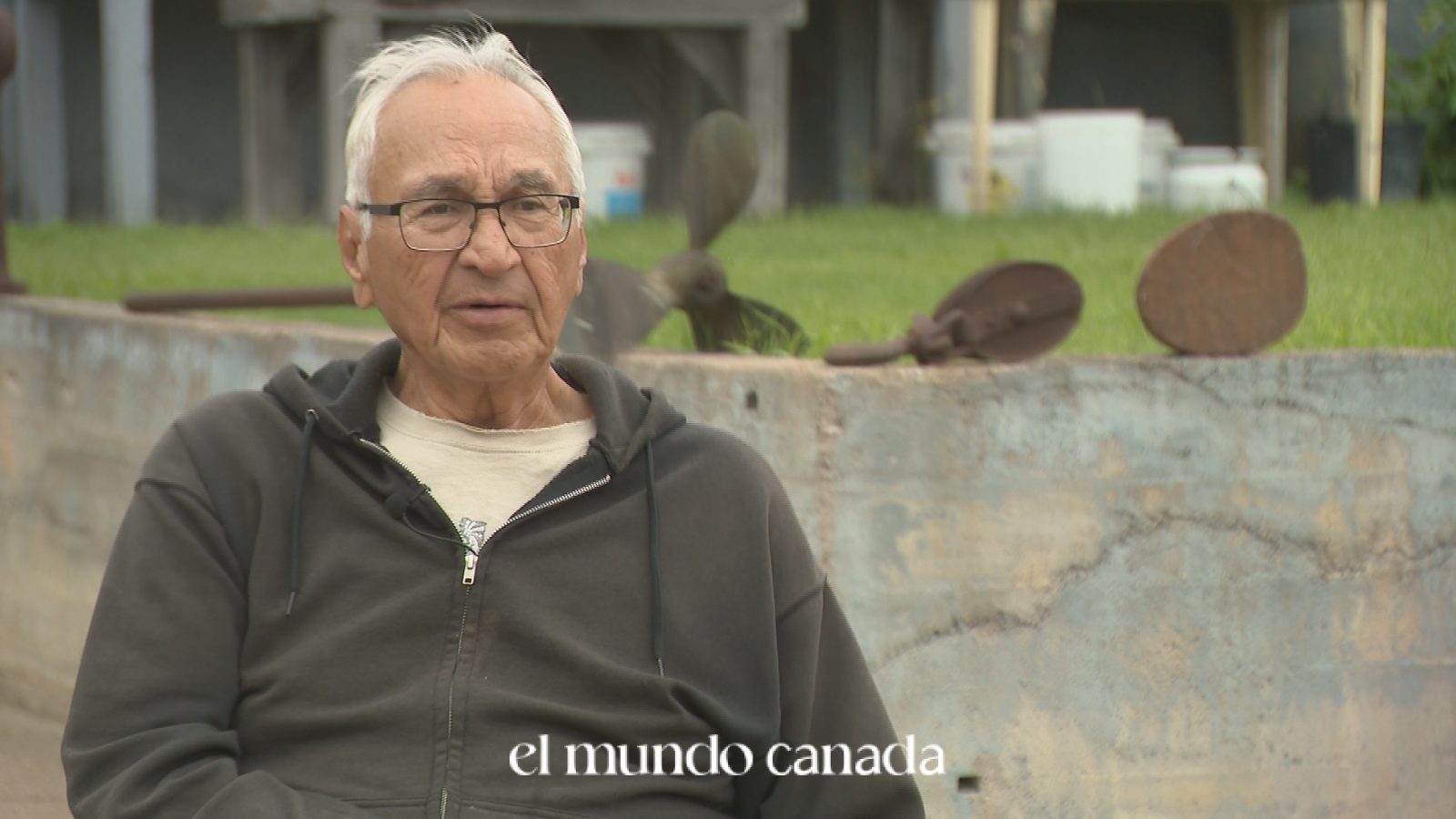
Longtime resident Ken Mercedi, who was born and raised in the northern settlement, remembers a town complete with a hotel, a hardware store, and a dairy shop. The community represented the promise of Canada’s nuclear industry and the opportunities it brought to remote regions.
“Everything is a memory.”
Mercedi’s property today serves as an open-air museum of sorts, featuring rusted drill rods, chains, and plane engine parts scattered across his lawn. An old ore cart, transformed into a planter by his niece, sits across the street as a testament to the community’s mining heritage.
The Day Everything Changed: 1982
The vibrant community came to an abrupt end in 1982 when the Beaverlodge Mine suddenly closed its operations. The closure devastated Uranium City, triggering a mass exodus that left the once-thriving town largely abandoned within months.
Decades later, the scars of that closure remain visible throughout the community. Abandoned buildings, including the former CANDU High School, stand as haunting reminders of the town’s former prosperity. These structures tell the story of a community that lost its economic foundation overnight.
Tim Beckett, a former resident who left in 1980, recalled the emotional impact of returning in 1996 to see his old school in disrepair.
“I had good memories of that school. I spent some very good years there, and I had a lot of friends there, and to see it in such bad shape, very dark, it had a very strange feeling to it.”
Reunions Keep the Spirit Alive
Despite the town’s decline, former residents have worked diligently to preserve their memories and maintain connections through regular reunions held over the years. These gatherings have become legendary among the Uranium City diaspora, drawing participants from around the world.
One particularly memorable reunion held in Alberta’s Cypress Hills in 1998 attracted more than 750 people. Len Kilbreath, a former resident and organizer of that noteworthy event, described it as a defining moment for the scattered community.
“With the town closing down, so many of us felt like we never had a hometown. So we just brought it with us wherever we went.”
Mercedi recalls attending reunions regularly during his time living in La Ronge, Saskatchewan. One event he attended drew close to 600 people, including participants from Scotland and California, demonstrating the global reach of this tight-knit community.
For Kilbreath, these reunions offer more than nostalgia. They provide an opportunity to connect with residents who stayed after he left, bonding over shared experiences of living in a remote community isolated from the rest of Saskatchewan and Canada.
Four Companies Driving the Revival
The Uranium City revival is being fueled by growing global demand for nuclear energy and the fuel that powers it. Exploration companies are increasingly turning to Saskatchewan’s uranium-rich Athabasca Basin to secure deposits of this valuable commodity.
According to the Saskatchewan government, more than 30 companies are actively exploring the Athabasca Basin. Of these, four companies are specifically operating in the Uranium City area, searching for new deposits alongside areas that were mined decades ago.
Triton, one of the exploration companies drilling in the region, reports significant activity in the area. Troy Marfleet, the company’s Chief Operating Officer, confirmed the unprecedented level of exploration activity.
“There’s lots of work going on. The locals are saying this is the busiest summer in the last 20 years.”
The renewed exploration represents a potential economic lifeline for the remaining residents and could attract new workers and investment to this isolated northern community.
What This Means for Canada’s Energy Future
The Uranium City revival reflects broader trends in Canada’s energy sector. As nations worldwide seek to reduce carbon emissions, nuclear power has emerged as a key component of clean energy strategies. Saskatchewan’s Athabasca Basin holds some of the world’s richest uranium deposits, positioning Canada as a critical player in the global nuclear supply chain.
For communities like Uranium City, this renewed interest could mean the return of jobs, services, and economic stability that disappeared more than four decades ago. The fewer than 100 residents who have maintained their connection to this remote settlement may finally see their patience rewarded.
Ken Mercedi and his family continue returning to Uranium City each summer, a tradition they have maintained for nearly two decades. For him, the connection to this place transcends economic considerations.
“You just have that connection that you can’t get away from.”
As exploration companies continue their work in the region, Uranium City stands at a crossroads. The community that refused to completely disappear may be on the verge of writing a new chapter in its remarkable history, powered once again by the uranium that gave it life over 70 years ago.
Why is Uranium City experiencing renewed exploration activity?
Global demand for nuclear energy has driven exploration companies to Saskatchewan’s Athabasca Basin. More than 30 companies are actively exploring the region, with four specifically operating near Uranium City. Locals report this is the busiest summer in 20 years.
What happened to Uranium City after the mine closed?
When the Beaverlodge Mine closed abruptly in 1982, the community was largely abandoned. The population dropped from nearly 2,500 residents to fewer than 100 today. Abandoned buildings, including the former CANDU High School, still stand as reminders of the town’s former prosperity.
How do former residents stay connected to Uranium City?
Former residents organize reunions across Canada to maintain their connections. One notable reunion in Alberta’s Cypress Hills in 1998 attracted more than 750 people. Attendees have come from as far as Scotland and California.
📘 Follow El Mundo Canada on our social networks: Facebook | Twitter
