


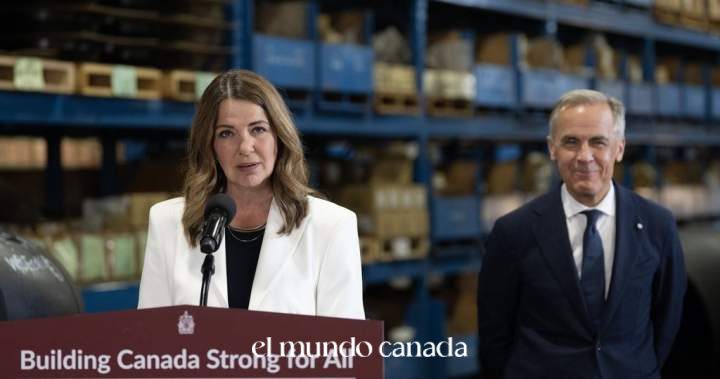
The Union of British Columbia Indian Chiefs has issued a powerful call to action, urging both the federal government and Alberta to immediately halt efforts to advance the West Coast pipeline project. This BC pipeline opposition comes at a critical moment, as the province battles devastating wildfires that have forced tens of thousands to evacuate their homes.
In a letter addressed to Prime Minister Mark Carney and Premier Danielle Smith, the Indigenous group argued that expanding fossil fuel production will only accelerate climate change and the disasters that come with it. The timing of this BC pipeline opposition couldn’t be more significant, arriving just one day after British Columbia declared a state of emergency.
Wildfire Emergency Provides Urgent Context
On August 9, 2026, the BC government issued a state of emergency as more than 100 wildfires burned across the province. The situation forced nearly 25,000 people across two communities east of Vancouver to flee their homes. Reports indicated that nearly half of these wildfires were burning completely out of control.
The Indigenous leaders strategically released their letter on the International Day of the World’s Indigenous Peoples, adding symbolic weight to their message. The devastating wildfire conditions provided a stark backdrop to their arguments about climate change and fossil fuel expansion.
“The destructive and disastrous consequences of expanding fossil fuel production extend far beyond any single territory,” the Union stated in their letter. The group emphasized that their BC pipeline opposition stems from deep concerns about environmental impacts affecting all Canadians.
Consultation Concerns at Heart of Dispute
Beyond environmental worries, the First Nations leaders raised serious concerns about the consultation process. According to the Union, the government has already developed the project’s corridor, named prospective development partners, and publicly promoted its economic case without meaningful Indigenous input.
“Consultation cannot be meaningful if First Nations are invited only to discuss how a predetermined project will proceed. Nor can equity ownership, loan guarantees, revenue-sharing, employment, or other proposed benefits be treated as substitutes for consent.”
This statement from the Union highlights a fundamental disagreement about what constitutes proper consultation with Indigenous communities. The group argues that economic incentives cannot replace genuine consent from affected First Nations.
Grand Chief Stewart Phillip signed the letter along with other heads of the organization. A copy was also sent to BC Premier David Eby, ensuring all levels of government received the message about this BC pipeline opposition.
West Coast Pipeline Project Specifications
The proposed West Coast pipeline would span approximately 1,250 kilometres, stretching from Bruderheim, Alberta, to a port near Delta, British Columbia. The infrastructure project aims to transport upwards of one million barrels of crude oil per day for shipment to international markets.
The Alberta government is listed as the project’s proponent. Ownership of the pipeline would be shared among Trans Mountain, the Alberta Petroleum Marketing Commission, and Pembina Pipeline Corporation.
Ottawa recently took a significant step toward giving the project a national interest designation under the Building Canada Act. This designation would allow the government to fast-track the pipeline through regulatory processes.
Read more: Canada’s Major Energy Projects: What Communities Need to Know
Government Responses to First Nations Concerns
The responses from government officials highlighted the stark divide on this issue. Prime Minister Carney’s office did not immediately respond to requests for comment on the letter.
However, Alberta’s Ministry of Indigenous Relations defended the project in an email statement. Press secretary Karah Folk outlined the province’s position on the matter.
“The West Coast oil pipeline submission is currently under review by the Major Projects Office, which will consult with Indigenous communities as part of determining whether the project is in the national interest. Our government remains committed to ongoing dialogue with First Nations and all partners as this work continues.”
The ministry emphasized that the pipeline would provide long-term benefits for Indigenous communities, create jobs, and enhance energy security. This position stands in direct contrast to the Union’s BC pipeline opposition stance.
Climate Change at Center of Debate
The First Nations leaders framed their opposition within broader climate concerns affecting all of Canada. Their letter painted a picture of a country already suffering from environmental impacts.
“From catastrophic wildfires to destructive floods and rising seas, the impacts of climate change are already being felt across this country,” the Union wrote. “Every new fossil fuel project deepens that crisis.”
This argument gains particular resonance given the wildfire emergency unfolding simultaneously in British Columbia. The juxtaposition of a pipeline expansion proposal alongside evacuation orders for nearly 25,000 residents creates a powerful visual representation of the climate debate.
For the Latin community in Canada, understanding this BC pipeline opposition matters for several reasons. Energy projects affect employment opportunities, environmental conditions in communities across the country, and the broader economic landscape.
What Happens Next in This Process
The pipeline project now sits with the Major Projects Office for review. According to government statements, this office will consult with Indigenous communities to determine whether the project serves the national interest.
The Union’s letter represents a formal challenge to the consultation process itself. By arguing that meaningful consultation cannot happen after major decisions have already been made, the First Nations leaders are setting up potential legal and political battles ahead.
The national interest designation under the Building Canada Act could allow the government to expedite approval processes. However, this BC pipeline opposition from organized Indigenous groups suggests the path forward will face significant resistance.
Impact on Communities Across Canada
This dispute touches on fundamental questions about resource development, Indigenous rights, and environmental protection in Canada. The outcome will set precedents for how similar projects are handled in the future.
For newcomers and established members of the Latin community working in energy sectors, construction, or related industries, this project could represent significant employment opportunities if it proceeds. Conversely, those living in affected communities have direct stakes in environmental outcomes.
The broader debate about Canada’s energy future affects everyone. As climate events like the current BC wildfires become more frequent, these discussions about fossil fuel expansion will only intensify across the country.
Residents across Canada should stay informed about how this situation develops, as it will likely influence energy policy, Indigenous relations, and environmental regulations for years to come.
What is the West Coast pipeline project?
The West Coast pipeline is a proposed approximately 1,250-kilometre infrastructure project that would transport up to one million barrels of crude oil daily from Bruderheim, Alberta, to a port near Delta, British Columbia, for international shipment.
Why are First Nations opposing this pipeline?
The Union of British Columbia Indian Chiefs opposes the pipeline because they believe the government has not consulted in good faith with First Nations, having already developed the corridor and named partners before meaningful consultation. They also cite climate change concerns.
What is the current status of the pipeline project?
The West Coast oil pipeline submission is under review by the Major Projects Office. Ottawa recently moved toward giving it a national interest designation under the Building Canada Act, which could fast-track approval.
