


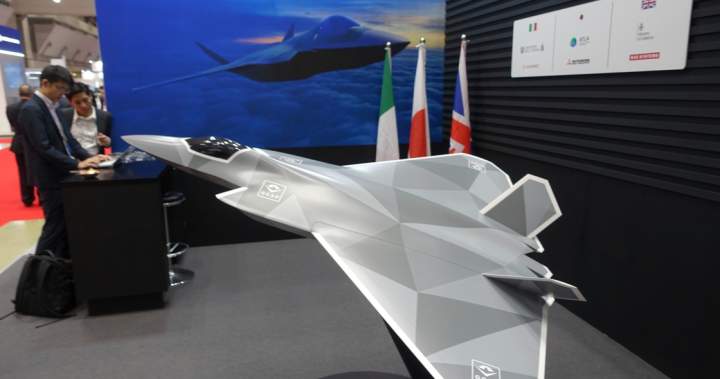
Canada has made history by becoming the first country to gain observer status in the Global Combat Air Program (GCAP), a next-generation fighter jet initiative developed jointly by Italy, Japan, and the United Kingdom. The federal government confirmed on August 7, 2026, that this strategic move comes with no financial commitment attached, allowing Ottawa to explore cutting-edge military technology without immediate costs.
The decision positions Canada at the forefront of sixth-generation fighter jet development, opening doors for the country’s aerospace sector while maintaining flexibility in future defence procurement decisions. For the Latin community in Canada working in aerospace, defence manufacturing, and related industries, this development could signal new employment opportunities and economic growth in the years ahead.
What Observer Status Means for Canada
National Defence spokesperson Cheryl Forrest clarified that observer status allows Canada to assess the program without financial strings attached. However, she noted there would be resource implications should Canada decide to join as a full member in the future.
The cost of full membership remains unclear and would depend on negotiations with the consortium governments. This approach mirrors Canada’s previous engagement with international defence programs.
“As an observer, Canada’s interest in the GCAP is focused on assessing the potential for long-term industrial collaboration and participating in the development of future‑looking technology,” said Cheryl Forrest from National Defence.
The federal government emphasized that Canada’s specialized aerospace and defence sector is well positioned to contribute to these advanced capabilities. Early engagement could create opportunities for Canadian industry to shape the program’s development from the ground up.
Defence Minister Outlines Strategic Vision
Defence Minister David McGuinty spoke to reporters in Calgary on Thursday, explaining the government’s rationale for joining as an observer. He used hockey metaphors to describe Canada’s forward-thinking approach to military technology.
“I was in the U.K. two weeks ago signing onto GCAP as an observer country. We think that that’s smart hockey,” McGuinty said. “We think it’s important to be there, up with that cutting-edge research.”
The minister stressed that the federal government has an obligation to see where the puck is going as military technology advances rapidly. This perspective reflects a broader strategy of positioning Canada as a key player in international defence collaboration.
Understanding the Global Combat Air Program
The Global Combat Air Program represents one of the most ambitious military aviation projects currently in development. This sixth-generation fighter jet program brings together three major military powers in a collaborative effort to develop aircraft that will define aerial combat for decades to come.
Italy, Japan, and the United Kingdom are the founding members of this consortium. Canada’s observer status makes it the first nation outside this core group to gain formal access to the program’s development process.
Since Canada is the first country to join as an observer, an observer arrangement is currently being drafted to outline exactly how Canada will participate. This framework will establish the terms of engagement and access to program information.
Historical Context: Canada’s Experience with the F-35 Program
Canada’s cautious approach to GCAP mirrors its previous experience with international fighter jet programs. Ottawa committed in the early 2000s to paying hundreds of millions of dollars to join the program developing the F-35 stealth fighter.
According to the Auditor General’s 2025 report on the F-35 procurement, National Defence spent approximately $1 billion from 1997 to 2023 to participate in the eight-nation Joint Strike Fighter program before purchasing any jets.
Each F-35 jet produced through the global program contains approximately $3.6 million in Canadian-made components, according to federal government briefing materials. This demonstrates the significant industrial benefits that can flow from international defence collaboration.
Current F-35 Procurement Under Review
Canada’s plan to procure a full fleet of F-35 stealth fighters remains under political review by Prime Minister Mark Carney’s government. The review was launched more than a year ago in response to the trade war initiated by U.S. President Donald Trump.
This ongoing review adds context to Canada’s interest in GCAP as a potential alternative or complementary defence strategy. By establishing observer status now, Canada maintains options for its long-term fighter jet needs.
The dual-track approach allows Ottawa to continue evaluating the F-35 while simultaneously exploring what sixth-generation technology might offer. This strategic flexibility could prove valuable as geopolitical and trade dynamics continue to evolve.
Potential Industrial Benefits for Canadian Aerospace
National Defence highlighted that observer status will help the federal government better understand operational, industrial and economic benefits that deeper participation could bring. Canada’s aerospace sector stands to gain significantly from early involvement.
The department noted that early engagement in GCAP could create opportunities for Canadian industry to:
- Shape the program’s development direction
- Invest in emerging technology at early stages
- Secure meaningful participation throughout the program’s lifecycle
These potential benefits align with Canada’s broader economic interests in maintaining a competitive aerospace and defence manufacturing sector.
What This Means for Canada’s Latin Community
For members of the Latin community in Canada, particularly those working in aerospace manufacturing, engineering, and defence-related industries, this development signals potential job growth and career opportunities in coming years.
Canada’s aerospace sector employs thousands of workers across the country, with major hubs in Montreal, Toronto, and Winnipeg. Increased international defence collaboration typically translates to expanded domestic manufacturing and research positions.
Skilled workers in precision manufacturing, software development, and engineering may find new opportunities as Canada deepens its involvement in advanced fighter jet technology. Those considering careers in aerospace should monitor how this observer status evolves.
Next Steps for Canada’s GCAP Involvement
The federal government indicated that Canada is assessing opportunities with attention to long-term defence requirements, relationships with allies, and potential industrial benefits. The observer arrangement being drafted will formalize Canada’s role.
While observer status carries no cost, any decision to upgrade to full membership would require substantial financial commitment. The exact figures would emerge from future negotiations with consortium partners.
For now, Canada gains valuable insight into next-generation fighter technology without the price tag. This measured approach allows Ottawa to make informed decisions about major defence investments while keeping all options open.
The coming months will reveal how deeply Canada engages with the program and whether observer status eventually leads to full partnership in developing the fighter jets that will dominate skies for generations to come.
