


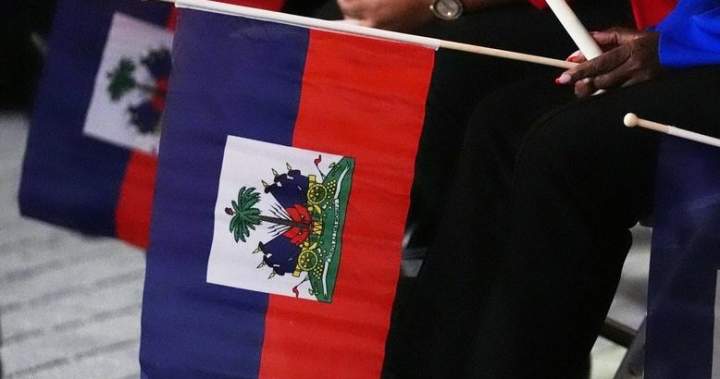
As the United States officially terminated Temporary Protected Status for more than 300,000 Haitians on July 27, 2026, advocacy organizations across Canada are preparing for what could become a significant humanitarian challenge at the northern border. The decision has left hundreds of thousands of Haitian nationals suddenly without legal status in America, raising urgent questions about their future and Canada’s potential role in providing refuge.
What the End of TPS Means for Haitian Nationals
The termination of Temporary Protected Status effectively stripped legal protections from approximately 350,000 Haitians who had been living and working legally in the United States for years. This sudden change in immigration policy has transformed these individuals into undocumented residents overnight, making them vulnerable to detention and deportation by Immigration and Customs Enforcement.
“Now 350,000 people are officially non-status or illegal, so it’s going to be a fair game for ICE and Haitians are gonna be the first ones targeted,” explained Frantz André of the Action Committee for People Without Status in Montreal.
The policy shift also affected approximately 6,000 Syrian nationals who had similarly benefited from protected status in the United States. Immigration advocates have characterized the decision as particularly troubling given the ongoing security crisis in Haiti, where gang violence continues to displace thousands of residents and create dangerous living conditions for those who remain.
Why Haiti Remains Too Dangerous for Returns
Immigration and refugee lawyer Fedora Mathieu has strongly criticized the U.S. decision, calling it “inhumane” in light of Haiti’s current circumstances. The Caribbean nation continues to experience severe instability, with armed gangs controlling significant portions of territory and violence affecting daily life for ordinary citizens.
Mathieu emphasized the life-or-death nature of the situation facing many Haitians: “They have to flee because otherwise, if they are at the wrong place, at the wrong time, they’re gonna get killed.” This assessment reflects the broader consensus among humanitarian organizations that Haiti’s conditions do not permit safe returns for deportees.
Canada’s Legal Framework and Potential Challenges
Community organizations supporting Haitian asylum seekers in Montreal anticipate that some individuals losing protected status in the United States may attempt to seek refuge in Canada. However, significant legal obstacles stand in their way, creating a complex situation for those desperate to avoid deportation to Haiti.
The Safe Third Country Agreement between Canada and the United States presents the primary barrier for potential asylum seekers. Under this agreement, most refugee claimants arriving at the Canada-U.S. border must seek asylum in whichever country they arrived first. Certain exceptions exist under the agreement:
- Unaccompanied minors traveling alone
- Individuals with close family members already residing in Canada
- People holding valid Canadian visas or travel documents
- Those who qualify under specific humanitarian exemptions
Recent federal legislation has further restricted options for individuals who cross the border irregularly before making refugee claims, adding another layer of difficulty for Haitians seeking protection in Canada.
Concerns About Human Smuggling Networks
Advocacy groups have expressed serious concern that the desperation created by the TPS termination could drive vulnerable Haitians toward dangerous irregular crossing attempts, potentially enriching human smuggling operations along the border.
André warned about the resilience of smuggling networks: “Yes. They’re asking thousands of dollars. However, stopping two groups, there will be 10 more because there is a huge demand.” This observation highlights the challenge facing border security agencies as they attempt to manage increased irregular migration while protecting vulnerable individuals from exploitation.
What Advocates Are Calling For
Legal experts and immigration advocates have outlined several measures they believe Canada should implement to address the humanitarian situation. Julia Sande, a lawyer with Amnesty International, has called on Ottawa to withdraw entirely from the Safe Third Country Agreement.
Sande argued that maintaining the agreement compromises Canada’s human rights obligations: “Canada is violating the rights of people by sending them back to the States, knowing there’s a real risk.” This position reflects growing criticism of the agreement among human rights organizations who view it as incompatible with genuine refugee protection.
Additional recommendations from advocacy groups include:
- Creating a special immigration program specifically for Haitians leaving the United States
- Recognizing the professional skills and work experience that many affected Haitians bring
- Expediting family reunification cases for Haitians with relatives in Canada
- Increasing resources for organizations supporting asylum seekers in major cities
Impact on Montreal’s Haitian Community
Montreal, home to one of Canada’s largest Haitian diaspora populations, stands at the center of these developments. Community organizations in the city are actively preparing to support potential newcomers while advocating for policy changes at the federal level. The Haitian community in Montreal has long served as an anchor for new arrivals, providing cultural connections, language support, and practical assistance to those navigating Canada’s immigration system.
As this situation continues to develop, affected individuals and community members should stay informed about their legal options and connect with established immigration support organizations. The coming months will likely prove critical in determining how Canada responds to this humanitarian challenge affecting members of the broader Latin American and Caribbean community.
