


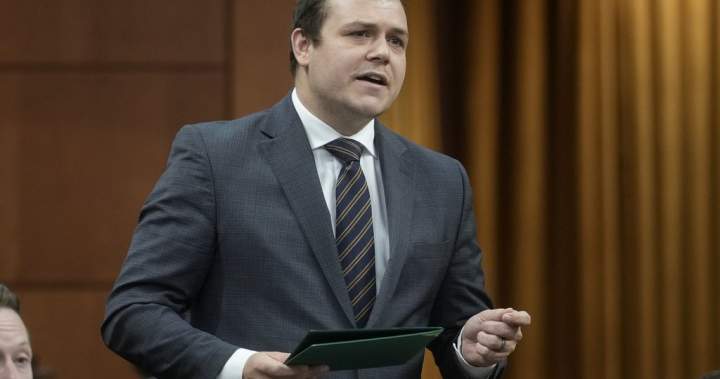
Conservative Party Leader Pierre Poilievre has appointed Member of Parliament Dane Lloyd as the official “referendum lead” for the province of Alberta, a strategic move that comes as the western province prepares for a significant vote this October regarding the possibility of holding a future referendum on separation from Canada.
The announcement, made on July 19, 2026, through an open letter from the Conservative leader, signals the party’s intention to actively engage with Alberta voters who have expressed growing discontent with federal policies and their impact on the province’s economy and autonomy.
Lloyd’s Mission: Listening to Alberta’s Concerns
According to Poilievre’s open letter, Lloyd’s primary responsibility will be to listen attentively to Albertans and work diligently to address their legitimate concerns. The Conservative leader emphasized that the party cannot ignore or dismiss the genuine grievances that many residents of the province have been voicing with increasing urgency in recent years.
“Those who have lost hope in Canada are not our enemies,” Poilievre stated in his letter, adding that the Conservative Party is committed to winning back the trust and confidence of disillusioned Albertans through meaningful action and engagement.
The appointment of Lloyd is particularly significant given his deep roots in the province. The MP has represented the Sturgeon River—Parkland riding in Alberta since 2017, giving him nearly a decade of experience advocating for his constituents’ interests at the federal level.
Key Issues Driving Alberta’s Discontent
Poilievre’s letter highlighted several critical issues that have fueled frustration among Alberta residents, contributing to the growing separatist sentiment that has prompted the upcoming referendum question. These concerns include:
- The rising cost of groceries that has strained household budgets across the province
- Housing affordability challenges that have made homeownership increasingly difficult for many Albertans
- Perceived federal interference in provincial resource development decisions
- Economic policies that many Albertans feel unfairly target the energy sector
- A sense of political alienation from decision-making processes in Ottawa
The Conservative strategy appears aimed at channeling this discontent toward supporting the federal party rather than allowing it to translate into support for separation. By acknowledging these grievances as legitimate, Poilievre is positioning his party as the voice of western Canadian concerns within the existing federal framework.
What the October Vote Means
It is important to note that the October ballot will not directly decide whether Alberta separates from Canada. Rather, voters will be asked whether they want to hold a future referendum specifically on the question of separation. This preliminary vote represents a significant step in the ongoing debate about Alberta’s place within Confederation.
The appointment of a dedicated referendum lead demonstrates how seriously the Conservative Party is taking this situation. By assigning Lloyd to focus specifically on this issue, the party is investing considerable resources in understanding and addressing the concerns that have led to this historic moment in Alberta politics.
Political Implications for Canada
The upcoming referendum vote and the Conservative response to it carry significant implications for Canadian unity and federal-provincial relations. Political analysts suggest that the outcome could reshape the national conversation about regional representation and economic fairness for years to come.
For the Latin community in Canada, particularly those who have made Alberta their home, this political development represents an important moment to understand and engage with the democratic process. The issues at stake, including cost of living and housing affordability, affect all residents regardless of their background or how long they have called Canada home.
As October approaches, Lloyd will likely increase his presence across Alberta, holding town halls and meetings designed to give residents a platform to voice their concerns while presenting the Conservative vision for a united Canada that better serves western provinces.
