


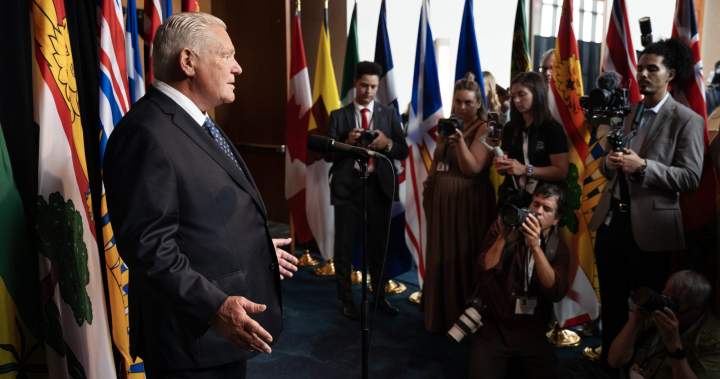
Ontario Premier Doug Ford is facing a significant political crisis as his approval rating has plummeted to a mere 24 percent, according to new polling data released on July 24, 2026. The dramatic decline comes as a spending scandal involving Progressive Conservative MPPs billing taxpayers for questionable hotel expenses continues to dominate headlines across the province.
Liberals Take the Lead in Ontario Polling
New public opinion research from Liaison Strategies reveals that the Ontario Liberal Party, despite currently being without a permanent leader, has surged ahead of Ford’s governing Progressive Conservatives. The Liberals now hold 38 percent support among decided voters, while the PCs have dropped to 33 percent. The New Democratic Party sits in third place at 21 percent, with the Green Party trailing at just three percent.
The polling numbers represent a troubling trend for the Ford government. According to the research firm, the Liberals have maintained their position from June, while the Progressive Conservatives have shed two percentage points. Meanwhile, the NDP has gained ground, climbing several points as voters appear to be moving away from the governing party.
“The Liberals continue to lead in Ontario, but this is not a runaway race. The movement is small, but it is still movement away from Ford and toward the opposition parties,” said David Valentin, principal at Liaison Strategies.
The Spending Scandal Explained
The Ford government’s troubles intensified following revelations about MPP expense claims that many Ontarians have found difficult to justify. Former tourism minister Stan Cho resigned on July 17, 2026, after it was discovered he had billed taxpayers approximately $16,000 for hotel stays in downtown Toronto, despite living just six kilometers from the provincial legislature at Queen’s Park.
The controversy expanded when it emerged that three MPPs from the Peel Region had also charged tens of thousands of dollars for hotel rooms in downtown Toronto. Internal government emails revealed that Ford’s house leader and government whip had informed MPPs they were permitted to charge the public for such accommodations, raising questions about systemic issues within the government’s expense practices.
What This Means for Ontario Residents
For families across Ontario, including the Latin community, these developments carry significant implications. Here are the key points to understand:
- The Ford government’s approval rating has dropped from over 30 percent at the beginning of 2026 to just 24 percent currently
- A full 72 percent of Ontarians now disapprove of the premier’s performance
- The spending scandal involves multiple MPPs billing taxpayers for hotel stays despite living near the legislature
- An election could potentially be called if political pressure continues to mount
- Policy decisions affecting healthcare, education, and immigration services could be impacted by government instability
Cost of Living Concerns Amplify Criticism
Political analysts suggest the timing of the scandal could not be worse for the Ford government. As Ontario families struggle with rising household costs, including housing, groceries, and utilities, news of elected officials charging taxpayers for unnecessary hotel expenses has created a stark contrast that resonates negatively with voters.
“Ontarians are being squeezed by household costs, and now they are seeing a government explain why members who live near Queen’s Park were billing hotel stays. That is a rough fairness test for any government, but especially one with Ford’s approval numbers,” Valentin explained.
The perception problem is particularly acute because the scandal feeds into existing narratives about government waste and disconnect from everyday citizens. For immigrant communities who are often navigating the challenges of establishing themselves financially in Canada, seeing elected officials misuse public funds can be especially frustrating.
Looking Ahead: What Happens Next
The political landscape in Ontario remains fluid as the Ford government attempts to manage the fallout from the spending scandal. The Liberal Party continues to search for a permanent leader who could capitalize on the government’s weakened position. Meanwhile, the NDP is working to present itself as an alternative for voters dissatisfied with both major parties.
For the Latin community in Ontario, staying informed about these political developments is essential. Provincial policies affect everything from settlement services and language programs to healthcare access and employment opportunities. As the situation evolves, voters should pay close attention to how each party addresses the issues that matter most to their families and communities.
With the Ford approval rating at historic lows and opposition parties gaining momentum, the next several months could prove decisive in shaping Ontario’s political future. Whether the Progressive Conservatives can recover from this scandal or whether voters will seek change remains to be seen, but the current polling suggests significant challenges ahead for the premier and his government.
