


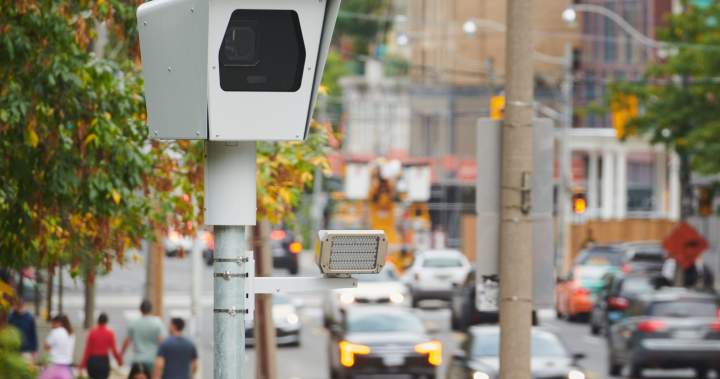
The Ontario government has denied a freedom of information request seeking studies on the effectiveness of speed cameras, a decision that came only after controversial changes to transparency laws took effect in April 2026. The request, which had been pending for ten months, was ultimately blocked under new exemptions that shield cabinet ministers and their offices from public scrutiny.
A Request Left Unanswered for Months
The original request was submitted at the end of September 2025, seeking all studies and reports held by the Ministry of Transportation regarding how speed cameras impact driver behavior and generate revenue. Under normal circumstances, freedom of information requests must receive a response within 30 days, though extensions are permitted under certain conditions.
However, in this case, months passed without any communication from ministry officials. The request was finally addressed in a letter dated approximately ten months after submission, but not with the requested information. Instead, the ministry cited newly enacted amendments to Ontario’s freedom of information legislation.
“As of April 24, 2026, amendments to the Act came into force that exclude certain categories of records from its application. We have reviewed your request and determined that the records you seek fall within the section 65 (18) exclusion under the Act relating to records held by ministers, parliamentary assistants and their offices.”
Controversial Changes to Transparency Laws
The rejection references sweeping modifications to Ontario’s transparency framework announced by Premier Doug Ford’s government in March 2025. These changes fundamentally altered how public information requests are handled by exempting all cabinet ministers and their staff from freedom of information requirements. Notably, the amendments were applied retroactively, affecting both ongoing requests and future submissions.
The timing of these events has raised significant concerns among opposition politicians and transparency advocates. The request specifically targeted information that the transportation minister’s office possessed when officials decided to draft legislation banning speed cameras. Premier Ford has repeatedly characterized these automated enforcement tools as a “cash grab” that fails to actually reduce driving speeds.
Government Defends Its Position on Road Safety
When questioned about the matter, the Ministry of Transportation defended the government’s stance on speed cameras while avoiding the transparency concerns entirely. Officials did not address why the request was not processed within the standard 30-day window.
The ministry provided the following justification for its policy position:
- Too many municipalities were allegedly using speed cameras as revenue generation tools rather than safety measures
- The government prefers physical traffic calming measures such as speed bumps and roundabouts
- A $210 million Road Safety Initiative Fund has been established to help municipalities implement these alternative measures
- The focus should be on protecting children and families through tangible infrastructure changes
Opposition Voices Concerns Over Democratic Accountability
Ontario Liberal MPP Stephanie Smyth expressed deep concern about what she views as a deliberate strategy to obstruct public access to government information. She suggested the lengthy delay in processing the request may have been intentional, allowing time for the new exemptions to take effect.
“We’ve been concerned that the changes the government made to Ontario’s Freedom of Information laws would make it easier for requests to be delayed or denied, and this decision will only reinforce those concerns. Whether it’s through lengthy delays or broad new exemptions, the result is the same: journalists and the public are finding it harder to access information that should be available. Transparency shouldn’t depend on whether the government is comfortable with the questions being asked.”
Implications for Public Accountability in Ontario
This case highlights broader concerns about government transparency and public accountability in the province. The ability to access government studies and data is fundamental to informed public discourse, particularly when policies affect road safety and municipal governance.
For the Latin community in Canada, many of whom live in areas with speed camera programs or proposed installations, understanding the evidence behind government policy decisions is crucial. Whether speed cameras effectively reduce speeding or primarily serve as revenue tools is a question that affects communities across Ontario.
The Ford government’s decision to shield ministerial offices from freedom of information requests represents a significant shift in how Ontarians can hold their elected officials accountable. As this case demonstrates, even straightforward requests for studies and reports can now be blocked if the relevant records are held within a minister’s office, regardless of their public interest value.
