


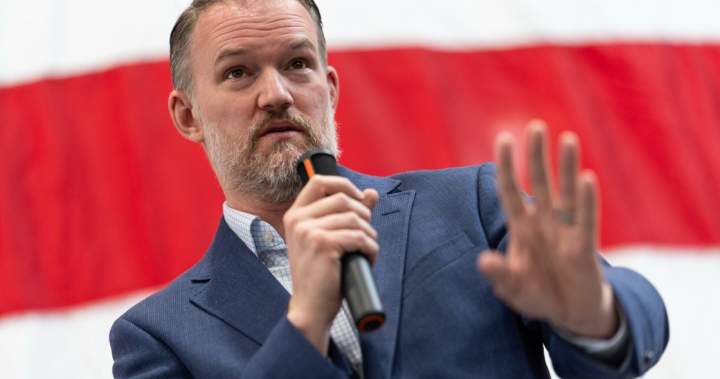
In a stark message that underscores the challenging road ahead for Canadian trade negotiators, the United States’ top trade official has made it clear that Canada will not receive any recognition for reversing policies that Washington considered problematic in the first place.
Speaking at the Aspen Security Forum in Washington on July 16, 2026, US Trade Representative Jamieson Greer delivered a pointed assessment of Canada’s recent trade concessions, signaling that the Trump administration expects much more from Ottawa before any meaningful progress can be made.
A Clear Message from Washington
Greer acknowledged that Canada has taken steps to address some of the United States’ concerns, including dropping its digital services tax and rolling back provisions of the Online Streaming Act. However, he made it abundantly clear that these moves will not earn Ottawa any goodwill in ongoing negotiations.
“They don’t really get credit for doing something bad and then undoing it,” Greer stated, effectively dismissing Prime Minister Mark Carney’s efforts to create momentum in the stalled trade discussions.
This blunt assessment highlights the significant gap that remains between the two neighboring nations as they attempt to navigate one of the most challenging periods in their trade relationship in recent memory.
CUSMA Negotiations Remain Stalled
While the United States and Mexico have already launched formal negotiations regarding the Canada-United States-Mexico Agreement (CUSMA), similar talks with Canada have yet to begin. This disparity puts Ottawa at a disadvantage and raises concerns about the future of North American trade integration.
The current situation presents several challenges for Canada:
- No formal negotiation timeline has been established between Washington and Ottawa
- Previous concessions on digital policies have been dismissed as insufficient
- Mexico appears to be moving ahead in its own bilateral discussions with the US
- The automotive industry continues to express concerns about CUSMA renewal
- Canadian businesses face uncertainty about future trade conditions
Despite the public tension, Greer indicated that communication channels remain open. He confirmed that he maintains weekly contact with his Canadian counterparts and has offered Ottawa proposals that he believes would improve the negotiating position for both countries.
A Potential Path Forward
While the trade representative’s comments painted a challenging picture, he did suggest that progress remains possible under the right circumstances. According to Greer, if President Donald Trump and Prime Minister Mark Carney can reach a mutual understanding on key issues, both nations could overcome what he described as “the hump” standing in the way of a trade agreement.
For the Latin community in Canada, these developments carry significant implications. Many businesses operated by Latin entrepreneurs depend on smooth cross-border trade, and any disruption to the existing trade framework could impact employment opportunities and economic stability.
Prime Minister Carney’s decision to reverse the digital services tax and modify the Online Streaming Act represented a significant policy shift aimed at demonstrating Canada’s commitment to resolving trade disputes. The fact that these gestures have been largely dismissed by Washington suggests that more substantial concessions may be required.
What This Means for Canadians
The ongoing uncertainty surrounding CUSMA negotiations affects multiple sectors of the Canadian economy, from automotive manufacturing to agriculture and technology services. Industry leaders, including those from General Motors, have publicly emphasized the importance of renewing the trade agreement for the continued health of the auto industry.
As negotiations continue to develop, Canadians across all communities will be watching closely to see whether diplomatic efforts can bridge the gap between Ottawa and Washington. The coming weeks and months will be crucial in determining the future trajectory of North American trade relations and the economic opportunities available to residents on both sides of the border.
