


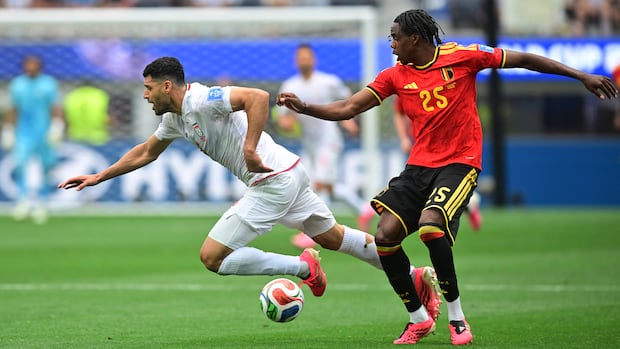
The Belgium Iran World Cup draw delivered one of the most dramatic defensive battles of the tournament as Iran held a 10-man Belgian squad to a goalless stalemate on June 21, 2026. The match showcased Iran’s tactical discipline and resilience against a European powerhouse that played more than half the game with a numerical disadvantage.
This surprising result has significant implications for Group F standings as both teams navigate their path through the competition. Belgium, once considered heavy favorites, now faces mounting pressure to secure results in their remaining fixtures.
Red Card Drama Changes Everything
Early Sending Off Reshapes the Match
The contest took a decisive turn when Belgium was reduced to 10 men, fundamentally altering the tactical approach for both sides. The dismissal forced the Belgian manager to reorganize his squad defensively, abandoning their typically aggressive attacking style.
Iran immediately recognized the opportunity and increased their pressure on the Belgian backline. The World Cup 2026 encounter transformed into a chess match, with Iran probing for weaknesses while Belgium desperately protected their goal.
The red card incident will undoubtedly be analyzed extensively by pundits and fans alike. Belgium’s tournament hopes now hang in a precarious balance following this setback.
Belgium’s Defensive Resilience
Despite the numerical disadvantage, Belgium’s defenders displayed remarkable composure throughout the match. The back four maintained their shape admirably, limiting Iran to few clear-cut scoring opportunities.
The Belgian goalkeeper made several crucial interventions to preserve the clean sheet. His performance kept Belgium in the contest during moments when Iran threatened to break through.
Iran’s Historic Performance
Team Melli’s Tactical Masterclass
Iran’s coaching staff executed a near-perfect game plan against their European opponents. Team Melli demonstrated why they have become increasingly competitive on the world stage, matching Belgium’s technical quality with superior organization and work rate.
The Iranian midfield controlled large portions of the second half, recycling possession patiently while searching for openings. Their disciplined pressing made it difficult for Belgium’s creative players to find space in dangerous areas.
This FIFA World Cup result marks a significant achievement for Iranian football. The draw against a traditional powerhouse like Belgium validates their preparation and tactical approach for the tournament.
Missed Opportunities
Despite their dominance in possession during the second half, Iran will rue several missed chances to claim all three points. Their attacking players created promising situations but lacked the clinical finishing required at this level.
The Iranian forwards showed excellent movement and combination play but struggled to test the Belgian goalkeeper decisively. With better execution, this could have been a famous victory rather than a hard-earned draw.
Group F Implications
Standings Impact
The Belgium vs Iran result significantly complicates the Group F picture. Belgium entered the tournament as favorites to top the group, but this draw combined with their player shortage creates uncertainty.
Both teams now have work to do in their remaining group stage matches. Belgium must likely win their upcoming fixtures to guarantee progression, while Iran can build confidence from this impressive showing.
What This Means for Both Nations
For Belgium, the so-called Golden Generation faces another potential disappointment on the world stage. Their quest for a first World Cup trophy encounters yet another obstacle as the tournament progresses.
Iran, meanwhile, celebrates a result that demonstrates their growing competitiveness in international football. The draw provides momentum heading into their subsequent group matches.
Key Tactical Takeaways
Belgium’s Adaptation Struggles
Playing with 10 men exposed Belgium’s reliance on their full squad depth. The team struggled to maintain their characteristic possession-based approach while simultaneously defending against Iranian attacks.
Their transition play suffered significantly without the extra body in midfield. Counter-attacking opportunities that Belgium typically converts went begging as tired legs failed to support forward movements.
Iran’s Pressing Scheme
Iran’s high-energy pressing scheme deserves recognition for disrupting Belgium’s rhythm throughout the match. The forwards and midfielders worked tirelessly to close down passing lanes and force turnovers in dangerous areas.
This physical commitment demonstrated Iran’s fitness levels and mental fortitude. They never allowed Belgium’s technical players to settle on the ball and dictate tempo.
Looking Ahead
Belgium’s Path Forward
Belgium must regroup quickly and focus on their remaining group matches. The squad depth will be tested as they potentially miss the suspended player for upcoming fixtures.
Manager decisions in team selection will prove crucial. Belgium needs results, and finding the right balance between attack and defense becomes paramount.
Iran’s Growing Confidence
Iran can approach their next match with renewed belief. Holding Belgium scoreless demonstrates they can compete with anyone in this tournament.
The Iranian supporters will celebrate this result as a statement performance. Their team has announced themselves as serious competitors in World Cup 2026.
The Belgium Iran World Cup draw will be remembered as a testament to tactical flexibility and defensive excellence. Iran proved they belong among the elite, while Belgium’s tournament aspirations face serious questions after playing most of the match shorthanded. Both teams now shift focus to crucial upcoming fixtures that will determine their fate in this competition.
