


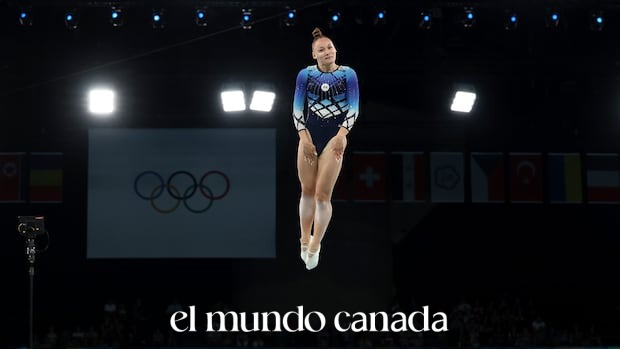
The International Gymnastics Federation (FIG) has officially removed all remaining restrictions on Russian and Belarusian athletes, marking a significant turning point in international sports politics. This decision allows Russian gymnasts to return to competition under their national flag, complete with anthems and national symbols at all FIG-sanctioned events.
The announcement, made on May 19, 2025, effectively ends three years of sanctions imposed following Russia’s invasion of Ukraine in February 2022. The move places gymnastics among the first major Olympic sports to fully restore competitive rights to athletes from both nations.
FIG Reverses Course on Wartime Sanctions
The governing body’s decision represents a complete reversal of policies implemented in early 2022. Initially, FIG banned all Russian and Belarusian athletes from international competition entirely. The federation later softened its stance, allowing athletes to compete as neutrals without national identification.
Now, those restrictions have been entirely lifted. Russian and Belarusian gymnasts can compete wearing their national colors, and their countries’ flags and anthems will once again be displayed during medal ceremonies.
FIG President Morinari Watanabe defended the decision, emphasizing the organization’s commitment to athletic inclusion. The federation stated that athletes should not bear responsibility for the political decisions of their governments.
International Olympic Committee Influence
The decision follows guidance from the International Olympic Committee (IOC), which has gradually relaxed its recommendations regarding Russian and Belarusian participation in international sports. The IOC initially supported blanket bans but later advocated for a pathway allowing neutral participation.
FIG’s latest move goes beyond IOC recommendations, which still suggest certain limitations on national symbols. This positions the gymnastics federation as one of the most permissive international sports bodies regarding the reinstatement of Russian athletes.
The timing proves significant as the sports world looks ahead to the 2028 Los Angeles Olympics. FIG’s decision could influence how other federations approach the issue of Russian and Belarusian participation in upcoming Olympic qualification events.
Reactions from the Gymnastics Community
The announcement has generated mixed reactions across the international gymnastics community. Some national federations have expressed concern about the message this sends regarding international norms and consequences for military aggression.
Ukrainian gymnastics officials have condemned the decision, calling it premature given the ongoing conflict. Ukraine’s sports leadership has consistently advocated for maintaining restrictions until hostilities cease completely.
Meanwhile, Russian gymnastics authorities welcomed the news enthusiastically. Russian athletes have missed numerous major competitions, including World Championships and World Cup events, since the initial ban took effect.
Belarusian gymnasts, who faced similar restrictions due to their country’s support for Russia’s military actions, will also benefit from the policy change.
Impact on Upcoming Competitions
The lifted restrictions take effect immediately, meaning Russian and Belarusian athletes can participate in all remaining 2025 competitions under their national identities. Several major events remain on the calendar, including World Cup series stops and continental championships.
The 2025 World Gymnastics Championships, scheduled for later this year, will likely see full Russian and Belarusian delegations competing for the first time since 2021. Russia has historically been a dominant force in artistic gymnastics, particularly in rhythmic gymnastics where the nation has won numerous Olympic and world titles.
Key upcoming events affected by this decision include:
- World Cup series competitions
- European Championships
- World Championships
- Junior international events
Young gymnasts who have spent their formative competitive years under restrictions will now have opportunities to represent their countries at the senior international level.
Broader Implications for International Sports
FIG’s decision may set a precedent for other international sports federations still maintaining various levels of restrictions. Several governing bodies continue to require neutral status for Russian and Belarusian athletes, while others have maintained complete bans.
The International Tennis Federation, World Athletics, and FIFA have each taken different approaches to the issue. FIG’s full reinstatement could pressure these organizations to reconsider their current policies.
Critics argue that lifting restrictions undermines the international community’s response to military aggression. Supporters contend that punishing individual athletes for government actions contradicts fundamental principles of sporting neutrality.
This debate extends beyond gymnastics to fundamental questions about sport’s role in international relations and whether athletic competition should serve as a tool for political pressure.
What This Means for Athletes
For individual gymnasts from Russia and Belarus, the decision restores full competitive opportunities after years of uncertainty. Many athletes saw their careers significantly impacted by the restrictions, missing prime competitive years and major championship opportunities.
Russian artistic gymnasts can now pursue Olympic qualification through standard pathways rather than navigating complex neutral athlete provisions. This simplification benefits athletes focused on training and competition rather than administrative hurdles.
However, some competitions may still present challenges. Individual nations retain the right to impose their own restrictions on visa issuance and event participation, potentially limiting Russian and Belarusian athletes’ access to certain competitions despite FIG’s policy change.
Looking Ahead
The International Gymnastics Federation’s decision to lift all restrictions on Russian and Belarusian athletes marks a pivotal moment in post-2022 international sports relations. While the move restores competitive opportunities for hundreds of athletes, it also reignites debates about sport’s relationship with politics and international accountability.
As the gymnastics world adjusts to this new reality, attention will turn to how athletes, federations, and fans respond. The upcoming competition season will reveal whether this decision promotes athletic unity or deepens existing divisions within the international gymnastics community.
