


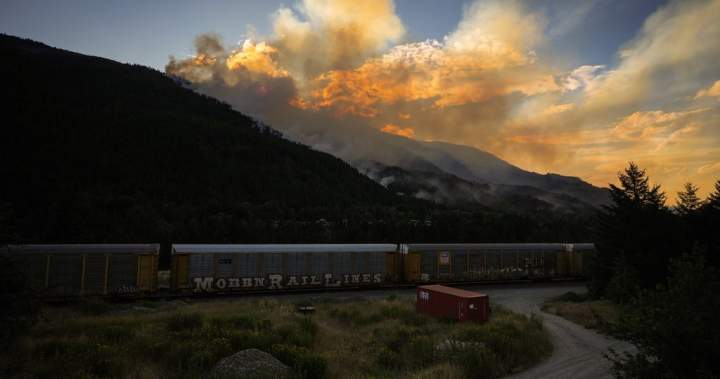
British Columbia is bracing for a potentially dangerous wildfire situation as provincial authorities announce a series of fire bans set to take effect on July 16 and July 17, 2026. The restrictions come in response to forecasted dry lightning storms that could ignite new blazes across already parched landscapes.
Multiple Fire Centres Implement Restrictions
The Northwest Fire Centre announced a Category 2 ban beginning at noon on July 16, 2026, covering its entire jurisdiction. This restriction limits open fires to campfires measuring less than 0.5 metres in both height and width. However, more severe measures will follow just one day later.
On July 17, 2026, the Coastal Fire Centre will implement a Category 1 ban, which represents the most stringent level of fire prohibition. This comprehensive ban will affect a vast territory including the entirety of British Columbia’s south and central coast, Vancouver Island, and Haida Gwaii. Under Category 1 restrictions, even small campfires are completely prohibited, though certain forest districts may have specific exceptions.
These new restrictions join existing fire bans already in place across the province. The Kamloops Fire Centre in the B.C. Interior has been operating under Category 1 prohibitions, reflecting the serious fire danger that has persisted in that region.
Weather Conditions Creating Perfect Storm for Wildfires
The timing of these bans is not coincidental. Meteorological forecasts indicate that incoming storm systems will bring lightning and high winds but little meaningful rainfall, creating what fire experts consider ideal conditions for wildfire ignition and rapid spread.
“Warming and drying conditions are expected to continue this week, spreading further north and west across the province. Rising temperatures and low precipitation will further dry out available fuels, increasing the likelihood of wildfire ignition.”
The B.C. Wildfire Service has issued this stark warning, emphasizing that the combination of dry fuels and electrical storms poses a significant threat to communities and natural areas throughout the province.
Current Wildfire Situation and Ongoing Concerns
Provincial authorities report approximately 20 active wildfires currently burning across British Columbia. While this number may seem manageable, officials warn that the situation could change dramatically within the next 48 hours as dry lightning moves through the region.
Of particular concern is the Brunswick complex of wildfires near Boston Bar, which continues to burn out of control. This complex fire has prompted evacuation orders and alerts affecting hundreds of homes in the surrounding communities. Residents remain displaced as crews work to protect properties and contain the flames.
The Brunswick complex demonstrated increased fire activity on July 14, 2026, after experiencing a brief reprieve due to weekend rain and cooler temperatures. Fire officials anticipate that elevated activity will persist through the forecasted dry lightning period.
Safety Remains Top Priority
The B.C. Wildfire Service has made clear that protecting firefighters and support personnel remains paramount as conditions deteriorate. The agency has outlined its approach to the challenging days ahead:
- Prioritizing crew safety during periods of elevated fire behaviour
- Monitoring all fires within the Brunswick complex closely
- Preparing resources for potential new fire starts from lightning strikes
- Coordinating with local authorities on evacuation procedures
- Maintaining communication with affected communities
Southern British Columbia faces the highest wildfire potential over the next 48 hours, according to provincial assessments. Residents throughout the affected regions are urged to remain vigilant, follow all fire bans, and prepare emergency evacuation plans.
What Residents Need to Know
For those planning outdoor activities in British Columbia, the fire bans mean significant restrictions on camping and recreational fires. Here is what the different ban categories prohibit:
- Category 2 bans: Limit campfires to under 0.5 metres, prohibit larger open fires
- Category 1 bans: Complete prohibition on all campfires and open burning
- Both categories: Cooking stoves using gas, propane, or briquettes are typically permitted
Authorities remind the public that violating fire bans can result in substantial fines and potential criminal charges if a prohibited fire causes a wildfire. The Latin community in British Columbia, particularly those in rural and semi-rural areas, should stay informed about local conditions and heed all official warnings as this dangerous weather pattern moves through the province.
