


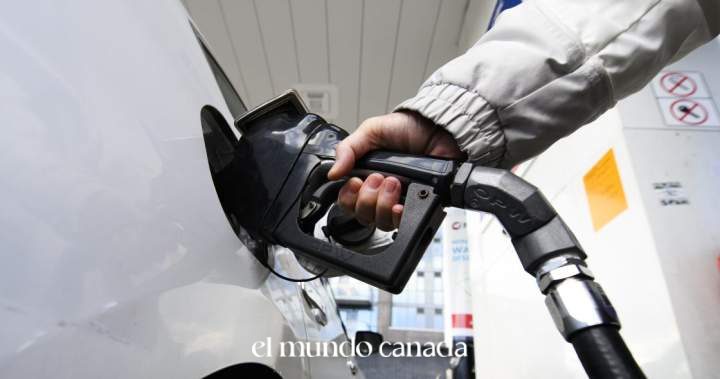
Canada inflation climbed to 3 percent in July 2026, driven primarily by rising gas prices, according to fresh data released by Statistics Canada. The increase in the consumer price index surpassed expectations from many economists, signaling continued economic volatility that directly affects Canadian households and the Latin community across the country.
The annual inflation rate jumped from 2.8 percent in June to 3 percent in July, a sharper rise than the 2.9 percent that most economic analysts had predicted. This unexpected surge comes after inflation had shown signs of cooling in previous months, giving Canadian families brief hope that cost-of-living pressures might ease.
Gas Prices Driving the Inflation Surge
The primary culprit behind the July inflation increase is the volatile gas price situation that has gripped Canada and markets worldwide. Oil prices have been on a roller-coaster trajectory, creating unpredictable swings at the pump for Canadian drivers.
The instability traces back to geopolitical tensions surrounding the Iran war. A tentative ceasefire agreement between the United States and Iran had helped cool both oil and gas markets during June, providing temporary relief.
However, that relief proved short-lived. The ceasefire agreement unravelled and fighting resumed, causing gas prices to climb through much of July. For Latin Canadian families who often rely on vehicles to commute to work or run businesses, these fuel cost increases hit household budgets hard.
Bank of Canada Response and Interest Rate Watch
The Bank of Canada maintains a mandate to keep consumer inflation within a target range of one to three percent. This range aims to balance price stability while allowing the Canadian economy to grow and thrive.
With July’s inflation hitting exactly 3 percent, the country sits right at the upper boundary of that acceptable range. This puts increased pressure on central bank officials as they consider their next moves on monetary policy.
The Bank of Canada’s next scheduled opportunity to reassess its benchmark interest rate policy comes on September 2, 2026. Canadian homeowners with variable-rate mortgages and those considering new home purchases should pay close attention to this upcoming rate decision.
Impact on the Latin Community in Canada
For the Latin community across Canada, this inflation news carries significant practical implications. Rising prices affect everything from grocery costs to transportation expenses, squeezing family budgets already stretched by housing costs in major cities.
Newcomers and recent immigrants often face particular challenges during inflationary periods. Many are still establishing themselves financially while simultaneously sending remittances to family members abroad, making every price increase more impactful.
Small business owners in the Latin Canadian community also feel the pinch. Higher fuel costs translate to increased delivery expenses and supply chain costs, which can erode profit margins for restaurants, retail shops, and service businesses.
What Economists Expected vs. Reality
The July inflation figures caught some market watchers off guard. According to polling data from LSEG Data & Analytics, the majority of economists surveyed had predicted the annual rate of inflation would rise to only 2.9 percent.
This prediction came after inflation had cooled sharply to 2.8 percent in June, suggesting a positive trend. The actual 3 percent figure exceeded these projections, indicating that inflationary pressures remain more stubborn than anticipated.
The discrepancy between expected and actual inflation matters because it affects market confidence and consumer behavior. When inflation surprises to the upside, it can lead to increased uncertainty in financial markets and more cautious spending patterns among households.
Practical Tips for Managing Inflation Impact
Understanding how to navigate rising prices can help Canadian families protect their financial well-being. Here are strategies particularly relevant for the Latin community:
- Track fuel prices using apps like GasBuddy to find the best deals in your area
- Consider carpooling with community members to share commuting costs
- Review subscription services and cancel unnecessary monthly expenses
- Shop at local markets where Latin American produce may be more affordable
- Build an emergency fund to cushion against future price shocks
For those with variable-rate debt, now may be the time to explore fixed-rate options before the September rate decision. Speaking with a financial advisor can help you understand your specific situation and options.
Statistics Canada reports that inflation increased to three per cent on average in July compared with a year earlier, up from 2.8 per cent in June.
The economic outlook remains uncertain as global oil markets continue to react to international conflicts. Canadian consumers should prepare for continued price volatility in the coming months, particularly at the gas pump.
Budgeting carefully and staying informed about economic developments will help families weather this inflationary period. The Latin community’s resilience and strong family networks can also serve as valuable resources during challenging economic times.
As Canada watches the Bank of Canada’s next moves, the September 2 rate decision will be a crucial moment. Whether officials choose to hold rates steady or make adjustments will depend largely on how inflation data evolves in the coming weeks.
How does 3% inflation affect everyday prices in Canada?
A 3 percent inflation rate means that on average, prices are 3 percent higher than they were one year ago. This affects groceries, gas, rent, and other daily expenses. For a family spending $5,000 monthly, this could represent approximately $150 more in costs compared to the previous year.
When will the Bank of Canada decide on interest rates?
The Bank of Canada’s next scheduled opportunity to reassess its benchmark interest rate policy is September 2, 2026. This decision will consider inflation data and economic conditions when determining whether to raise, lower, or maintain current rates.
Why are gas prices so volatile in Canada right now?
Gas prices in Canada have been fluctuating due to volatile oil prices connected to the Iran war. A ceasefire agreement between the U.S. and Iran helped cool gas markets in June, but prices rose again in July after the agreement failed and fighting resumed.
📘 Follow El Mundo Canada on our social networks: Facebook | Twitter
