


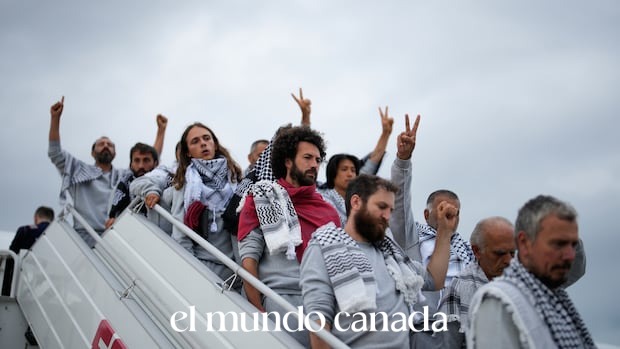
Several Canadians who participated in a humanitarian mission to Gaza are finally making their way back to Canada after Israeli forces detained them at sea. The Gaza flotilla Canadians detained incident has sparked significant attention, raising questions about international maritime law, humanitarian aid access, and diplomatic relations between Canada and Israel.
The activists were part of a flotilla attempting to deliver humanitarian supplies to Gaza when Israeli naval forces intercepted their vessels. After days of detainment and diplomatic negotiations, some participants are now returning home, while others remain in limbo awaiting resolution of their cases.
What Happened During the Flotilla Interception
Israeli Forces Board Aid Vessels
The humanitarian flotilla set sail with the intention of breaking what organizers describe as an illegal blockade of Gaza. Israeli naval forces intercepted the vessels in international waters, according to participants, before boarding and taking control of the ships.
The Israeli military defended its actions, citing security concerns and the need to inspect cargo destined for Gaza. Authorities transported the detained individuals to Israeli territory for processing.
Participants reported that Israeli forces confiscated their personal belongings, including phones, cameras, and documentation of their journey. Several Canadians described the experience as traumatic, though they maintained their commitment to the humanitarian cause.
Canadian Citizens Among Those Detained
Multiple Canadian nationals found themselves caught up in the interception. These individuals came from various backgrounds, including healthcare workers, journalists, and longtime humanitarian activists.
The Canadian government faced immediate pressure to intervene on behalf of its citizens. Global Affairs Canada confirmed it was aware of the situation and working through diplomatic channels to secure the Canadians’ release.
Diplomatic Efforts to Secure Release
Ottawa’s Response to the Detainment
Canadian officials worked behind the scenes to negotiate the release of detained citizens. The situation required delicate diplomatic maneuvering, given Canada’s complex relationship with both Israel and Palestinian territories.
Foreign Affairs Minister representatives issued statements confirming consular services were being provided to affected Canadians. The government emphasized its commitment to ensuring the safety and rights of Canadian citizens abroad.
Some critics argued Ottawa’s response was too measured, calling for stronger condemnation of the interception. Others supported a more diplomatic approach to avoid escalating tensions.
International Community Reactions
The flotilla interception drew reactions from governments and organizations worldwide. Human rights groups condemned the boarding of humanitarian vessels, arguing it violated international maritime law.
The United Nations has previously expressed concern over restrictions on aid reaching Gaza. This latest incident reignited debates about the legality and humanitarian impact of the ongoing blockade.
Several European nations called for investigations into the interception, while Israel’s allies largely supported its right to inspect vessels approaching its waters.
The Journey Home Begins
First Canadians Depart Israel
After several days of detainment, Israeli authorities began releasing foreign nationals, including some Canadians. These individuals faced deportation orders, effectively banning them from entering Israel in the future.
Released participants described mixed emotions about their departure. While relieved to be heading home, many expressed frustration that their humanitarian mission had been thwarted.
“We knew the risks going in,” one Canadian participant told reporters. “But we believe in the cause and would do it again.”
The returning Canadians face long journeys home, with some routing through European cities before reaching Canada.
Those Still Awaiting Release
Not all Canadian participants have secured their release. Some remain in Israeli custody pending further processing or face additional complications with their cases.
Advocacy groups continue pressuring both the Canadian and Israeli governments to expedite the release of remaining detainees. Family members of those still held have spoken out, demanding immediate action.
The Broader Context of Gaza Aid Missions
History of Flotilla Attempts
This incident represents the latest in a series of flotilla attempts to reach Gaza over the past decade. Previous missions have met similar fates, with Israeli forces consistently intercepting vessels before they reach Gazan shores.
The most notorious incident occurred in 2010 when Israeli forces boarded the Mavi Marmara, resulting in the deaths of ten activists. That event sparked international outrage and significantly strained Israel-Turkey relations.
Organizers of recent flotillas say they have adopted strictly non-violent approaches and carry only humanitarian supplies. Despite these measures, interceptions continue.
Humanitarian Situation in Gaza
The humanitarian crisis in Gaza continues to drive activists to attempt these missions. International organizations report severe shortages of medical supplies, food, and basic necessities in the territory.
Israel maintains that its blockade serves security purposes, preventing weapons from reaching militant groups. Critics argue the restrictions amount to collective punishment of civilian populations.
The debate over how to address Gaza’s humanitarian needs while maintaining regional security shows no signs of resolution.
What Comes Next
Legal and Political Ramifications
Returning Canadians may pursue legal action regarding their detainment and the confiscation of their property. International law experts have debated the legality of boarding vessels in international waters.
Politically, the incident may influence Canada’s foreign policy discussions regarding the Middle East. Parliamentary debates on the matter seem likely in coming weeks.
Continued Activism Expected
Participants have indicated the interception will not deter future humanitarian efforts. Organizers are already discussing potential future missions, though specific plans remain undisclosed.
The Gaza flotilla movement maintains that raising awareness about conditions in the territory justifies the risks involved. Supporters worldwide continue fundraising and recruiting for future attempts.
The detention of Canadians participating in the Gaza flotilla highlights the ongoing tensions surrounding humanitarian access to Gaza. As some activists return home and others await release, this incident will likely fuel continued debate about international law, humanitarian rights, and Canada’s role in Middle Eastern affairs.
