


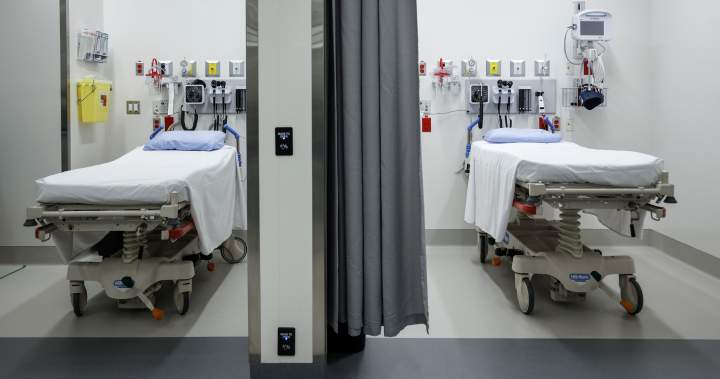
A troubling reality is unfolding in emergency rooms across Canada, where psychiatric patients are waiting significantly longer than other patients to receive hospital admission. Recent data reveals that some individuals have spent over two weeks in emergency departments waiting for a psychiatric bed, highlighting a mental health crisis that experts say has been worsening for decades.
Alarming Wait Times Reveal Systemic Mental Health Challenges
On July 28, 2026, new data showed that a patient in Alberta waited an astonishing 16 days in an emergency department before being admitted to a psychiatric hospital. In British Columbia, another patient endured a wait of just over nine days. While these cases represent extreme situations, they point to a broader pattern affecting psychiatric patients throughout the country.
The numbers paint a concerning picture for those seeking mental health care in Canadian emergency rooms. In Alberta, patients waited an average of more than 33 hours for a bed in a psychiatric unit last year, according to Recovery Alberta. This is 24 hours longer than the overall average wait time of approximately nine hours for other patients. Quebec shows similar disparities, where psychiatric patients spent an average of 33 hours and 39 minutes in the emergency department waiting for a psychiatric bed, nearly 10 hours longer than the typical 24-hour wait for general hospital admission.
“That chaotic, noisy environment, it’s not therapeutic, (it) has a real meaningful impact on our patients as they wait,” said Alberta Psychiatric Association President Dr. Karen Duncalf.
Why Emergency Rooms Are Harmful for Mental Health Patients
Research indicates that the emergency department environment can be particularly detrimental to individuals experiencing a mental health crisis. The characteristics of these settings create conditions that can actually worsen a patient’s condition:
- Near-constant noise from medical equipment, staff, and other patients
- Fluorescent lights that never dim, disrupting natural rest cycles
- Turbulent and unpredictable atmosphere
- Limited privacy and personal space
- Lack of therapeutic support during extended waits
These environmental factors can cause psychiatric patients to deteriorate rather than improve, potentially leading to longer hospital stays once they are finally admitted. The impact extends beyond the immediate crisis, with some patients reporting lasting psychological effects from their emergency room experiences.
The Reality Inside Emergency Departments
Once a health provider determines that a patient requires psychiatric ward admission, they must remain in the emergency department while waiting for a bed to become available. This process depends on both bed availability and adequate staffing levels in the psychiatric ward. During this time, patients are monitored and treated in the ER by emergency room doctors and nurses, with psychiatric teams visiting and remaining on-call.
For patients at risk of harming themselves or others, the situation can become even more challenging. These individuals may be placed in seclusion rooms within the ER, which are monitored by security and feature padded walls, doors that lock from the outside, and sometimes no windows. One Vancouver woman who experienced these rooms multiple times between 1992 and 2015 described the environment as deeply traumatic.
“That was the most confining, horrible, anxiety-provoking experience I ever had in my life,” she recalled, describing a room barely bigger than a stretcher with a mattress on the floor and a steel toilet in the corner. The lasting impact of such experiences can be profound and permanent for many patients.
What This Means for the Latin Community in Canada
For members of the Latin community in Canada, understanding the mental health system is crucial. Cultural barriers, language challenges, and unfamiliarity with Canadian healthcare processes can make navigating psychiatric emergencies even more difficult. Families should be aware of the following resources and considerations:
- Know your provincial mental health crisis lines and services
- Ask about interpreter services when seeking psychiatric care
- Document wait times and experiences for potential advocacy purposes
- Connect with community organizations that offer mental health support in Spanish
- Understand your rights as a patient in the Canadian healthcare system
Dr. Rachel Grimminck, who worked as a psychiatrist in an Alberta emergency department, expressed distress at watching patients endure long waits for in-patient beds, recalling one case where admission took close to two weeks. “The conditions often are very inhumane and it’s incredibly distressing for all of the patients, families and staff in the emergency department,” she noted.
A System Under Pressure
A recent report from the Canadian Institute for Health Information highlights several issues facing emergency departments nationwide, including overcrowding, limited staffing, and insufficient bed and stretcher capacity. The report found that one in 10 patients who needed hospital admission spent almost two days or more in the ER before being transferred.
Mental health experts emphasize that demand for psychiatric services continues to outpace funding across the spectrum of mental health care. This disparity in wait times has persisted for decades, and without significant investment and systemic change, the crisis affecting psychiatric patients in Canadian emergency rooms will likely continue to worsen. For families and individuals affected by mental health challenges, awareness of these realities can help in planning and advocating for better care.
