


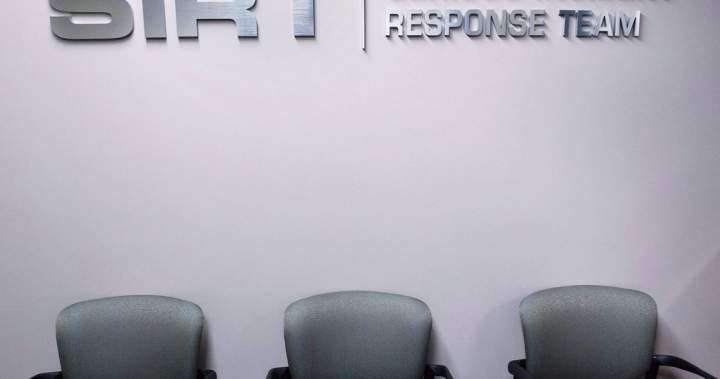
In a significant step toward improving police accountability and building trust with Indigenous communities, the police watchdog serving Nova Scotia and New Brunswick announced on July 27, 2026, that it is hiring an Indigenous investigator. This groundbreaking position comes after years of persistent advocacy by First Nations communities demanding greater representation in police oversight work across Atlantic Canada.
What This New Indigenous Investigator Role Means
The Serious Incident Response Team (SIRT), which operates as the independent police watchdog for both Nova Scotia and New Brunswick, has created this position specifically to incorporate Indigenous perspectives into its investigative processes. The watchdog is responsible for examining serious incidents involving police officers, including cases of death, serious injury, sexual assault, and intimate partner violence that may have resulted from police actions.
According to SIRT Director Erin Nauss, the new Indigenous investigator will take on multiple responsibilities designed to strengthen the relationship between the watchdog and First Nations communities. These duties will directly address longstanding concerns about transparency and cultural understanding in police oversight.
The new officer will engage with Indigenous communities, co-ordinate a community liaison program, support affected families and assist in investigations.
Years of Advocacy Lead to Historic Change
The creation of this Indigenous investigator position represents the culmination of years of tireless efforts by First Nations leaders who have consistently called for more Indigenous representation in police oversight work. The urgency of these demands has been underscored by tragic events in recent years that have deeply affected Indigenous communities throughout the Atlantic region.
Since 2020, four Indigenous people have been killed by police officers in New Brunswick alone. The most recent case involved Bronson Paul, who was fatally shot by RCMP officers in January 2026. These incidents have intensified calls from Atlantic First Nations for meaningful reform and greater accountability in how police interactions with Indigenous people are investigated and addressed.
Key Responsibilities of the New Position
The Indigenous investigator role encompasses several critical functions that aim to bridge the gap between police oversight and Indigenous communities:
- Direct engagement with Indigenous communities across Nova Scotia and New Brunswick
- Coordination of a community liaison program to improve communication
- Providing support to affected families throughout investigation processes
- Assisting in investigations involving Indigenous individuals or communities
- Bringing Indigenous perspectives to the evaluation of police conduct
- Building trust between the watchdog agency and First Nations peoples
Why This Matters for All Canadians
For the Latin community in Canada, understanding developments in police accountability and oversight is particularly relevant. Many newcomers to Canada may have varying experiences with law enforcement from their countries of origin, making it essential to understand how Canadian institutions work to ensure fair treatment for all residents. This Indigenous investigator position demonstrates Canada’s ongoing efforts to address systemic issues and create more inclusive institutions.
The move by SIRT also sets a precedent that could influence police oversight bodies in other provinces. As Canada continues to reckon with its treatment of Indigenous peoples and works toward reconciliation, having Indigenous voices within institutions that investigate police conduct becomes increasingly important for building a more just society.
Looking Ahead
Atlantic First Nations leaders have also been seeking meetings with federal officials in Ottawa to discuss broader concerns about police interactions with Indigenous communities. The hiring of this Indigenous investigator represents one concrete step, but community leaders continue to advocate for comprehensive reforms at all levels of government.
For residents of Nova Scotia and New Brunswick, this development signals a commitment to more culturally informed police oversight. The Indigenous investigator will serve as a crucial bridge, ensuring that investigations into serious incidents are conducted with proper understanding and respect for Indigenous perspectives and concerns.
As this new position takes shape, communities across Atlantic Canada will be watching closely to see how it transforms the relationship between police oversight and Indigenous peoples, potentially serving as a model for similar initiatives across the country.
