


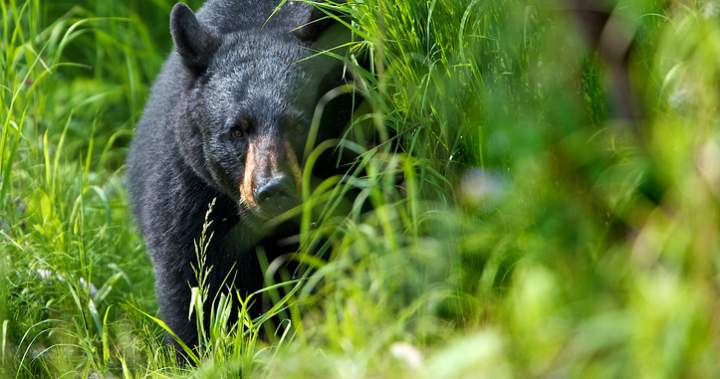
A devastating wildlife encounter has claimed the lives of two individuals at McTavish Lake in northern Saskatchewan, according to confirmation from the provincial Ministry of Community Safety on July 17, 2026. The tragic incident has sent shockwaves through local communities and raised concerns about bear safety in remote areas of the province.
Details of the Fatal Bear Encounter
The bodies of the two victims were discovered on July 15, 2026, by RCMP officers stationed in La Ronge, a community that serves as a gateway to Saskatchewan’s northern wilderness. The Saskatchewan government released an official statement confirming that a bear was responsible for both deaths, marking one of the most serious wildlife-related incidents in the region in recent memory.
Following an extensive and careful investigation, conservation officers successfully tracked down and located the bear believed to be responsible for the fatal attack. Officials made the decision to euthanize the animal to prevent any further danger to the public and to allow for a thorough examination of the incident.
“After careful investigation, conservation officers have located and euthanized the bear suspected to be involved in the incident. The bear’s body will be examined at the Western College of Veterinary Medicine in Saskatoon.”
Ongoing Investigation and Privacy Measures
The Ministry of Community Safety has announced that it will not publicly release the identities of the two individuals who lost their lives in this tragic encounter. This decision was made out of respect for the families and loved ones of the victims during this difficult time, as well as to maintain the integrity of the ongoing investigation.
Multiple agencies are currently involved in examining the circumstances surrounding the deaths. The investigation is being conducted jointly by the following authorities:
- Saskatchewan Coroners Service
- Provincial Conservation Officer Service
- Royal Canadian Mounted Police (RCMP)
The RCMP has confirmed that they will not be pursuing any further criminal investigation into the matter, as the deaths are not being treated as suspicious. This determination allows the focus to remain on understanding the wildlife aspects of the incident and implementing any necessary safety measures for the future.
Bear Safety in Northern Saskatchewan
Northern Saskatchewan is home to significant populations of both black bears and grizzly bears, making wildlife encounters a reality for residents and visitors to the region. McTavish Lake, located in a remote area accessible primarily by air or water, represents the type of wilderness environment where human-bear interactions can occur with little warning.
Wildlife experts and conservation authorities consistently emphasize the importance of bear awareness when traveling in northern regions. Key safety recommendations include:
- Making noise while hiking to alert bears of your presence
- Properly storing food and scented items in bear-proof containers
- Never approaching or feeding wild bears under any circumstances
- Carrying bear spray and knowing how to use it effectively
- Traveling in groups whenever possible in bear country
- Being particularly cautious during dawn and dusk hours when bears are most active
Scientific Examination to Provide Answers
The decision to transport the bear’s remains to the Western College of Veterinary Medicine in Saskatoon will allow scientists and wildlife experts to conduct a comprehensive examination. This analysis may help determine factors that could have contributed to the bear’s aggressive behavior, including potential illness, injury, or other conditions that might have influenced the attack.
Such examinations are standard practice following fatal wildlife encounters and can provide valuable information for preventing similar incidents in the future. The findings may also contribute to broader understanding of bear behavior in northern Saskatchewan’s ecosystem.
As the investigation continues, local authorities are urging anyone with information about the incident or anyone who may have witnessed unusual bear activity in the McTavish Lake area to contact the Saskatchewan Ministry of Community Safety or their local RCMP detachment. The Latin community in Saskatchewan, particularly those who enjoy outdoor activities in the province’s beautiful northern regions, are reminded to stay vigilant and practice proper wildlife safety protocols at all times.
