


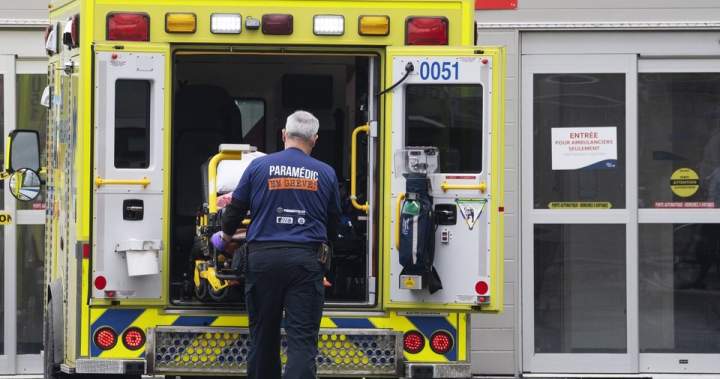
Montreal’s healthcare system is facing a critical challenge as several emergency rooms across the city have surged past 200 percent capacity. The combination of an intense heat wave and seasonal staffing shortages has pushed hospitals to their breaking point, leaving medical professionals scrambling to provide care to an overwhelming number of patients.
Hospitals Struggling Under Extreme Pressure
According to data released by Quebec’s Health Ministry on July 14, 2026, facilities including Lakeshore General Hospital and the Royal Victoria Hospital are among the institutions experiencing severe overcrowding. The situation has become so dire that patients are waiting extended periods for treatment, with hallways and waiting rooms filled beyond their intended capacity.
Dr. Greg Clark, an emergency physician with the McGill University Health Centre (MUHC), explained that this level of overcrowding has become a persistent issue rather than a temporary crisis. Emergency departments have been operating at approximately 200 percent capacity during various peak periods over the past two to three years, making this a year-round challenge that defies seasonal patterns.
“[It’s] often people with respiratory problems, people with COPD or asthma, who unfortunately don’t have air-conditioned dwellings,” Dr. Clark said, describing the types of patients most affected by the current heat wave.
Multiple Factors Contributing to the Crisis
The MUHC issued a statement acknowledging that emergency departments throughout Quebec are experiencing sustained pressure from a combination of factors. These contributing elements include:
- Seasonal viruses circulating through the population
- Trauma-related cases requiring immediate attention
- Heat-related illnesses affecting vulnerable populations
- Summer vacation schedules reducing available medical staff
- Chronic conditions exacerbated by extreme temperatures
The vacation period has proven particularly challenging for hospital administrators. As doctors, nurses, and support staff take well-deserved time off during the summer months, facilities find themselves operating with reduced teams precisely when patient volumes tend to increase due to heat-related emergencies.
Calls for Long-Term Solutions
Pierre Hurteau, chair of the MUHC Users’ Committee, expressed frustration that the explanations for overcrowding remain largely unchanged from year to year. He emphasized the urgent need for long-term solutions that address the root causes of emergency room congestion rather than temporary measures that merely manage the symptoms of a broken system.
The recurring nature of this crisis has left many wondering whether meaningful reforms will ever be implemented. Healthcare advocates have long called for increased funding, better staffing ratios, and improved infrastructure to handle Quebec’s growing healthcare demands.
How Residents Can Protect Themselves
Health officials are urging Montreal residents to take precautions during the ongoing heat wave, particularly those who belong to vulnerable groups. Seniors, individuals with respiratory conditions, and those living without air conditioning face the greatest risks during periods of extreme heat.
Dr. Clark offered practical advice for residents who may be struggling with the heat:
- Seek out cooler public spaces such as libraries, shopping centers, or community cooling stations
- Stay hydrated by drinking plenty of water throughout the day
- Avoid strenuous outdoor activities during peak heat hours
- Check on elderly neighbors and family members regularly
- Contact Info-Santé 811 or a local pharmacist before visiting the emergency room to determine if your condition truly requires emergency care
By calling 811 first, residents can help reduce unnecessary emergency room visits and ensure that critical resources remain available for those experiencing genuine medical emergencies. Pharmacists can also provide guidance on managing minor heat-related symptoms without requiring a hospital visit.
A Province-Wide Challenge
Environment Canada has issued extreme heat warnings across much of the country, and Quebec is far from alone in facing weather-related healthcare challenges. The current conditions serve as a stark reminder of the increasing strain that climate-related events place on healthcare infrastructure throughout Canada.
As temperatures continue to rise and extreme weather events become more frequent, health systems across the nation will need to adapt and prepare for the growing demands these conditions create. For now, Montreal residents are encouraged to stay vigilant, look out for one another, and use healthcare resources responsibly during this difficult period.
