


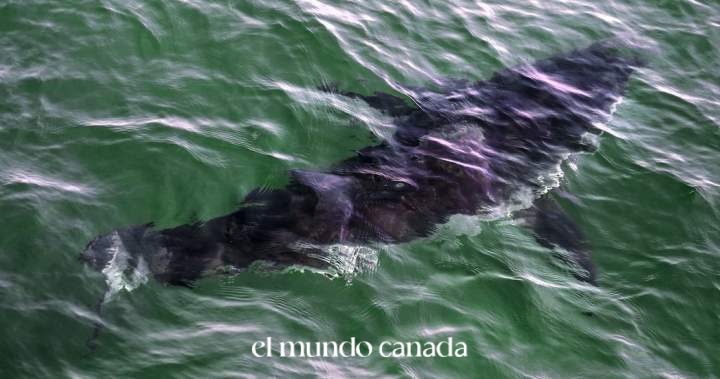
Nova Scotia shark sightings have increased along the province’s popular coastline, prompting temporary beach closures and sparking conversations about enhanced monitoring measures. For beach-goers across the province, including members of the Latin community who enjoy Canada’s Atlantic coast, understanding current safety protocols is essential for a worry-free summer experience.
Several Nova Scotia beaches have faced temporary closures following shark sightings in recent years. Martinique Beach was shut down for several hours in July after a reported sighting, while Queensland Beach experienced a similar closure during a period last summer. These precautionary measures reflect the province’s commitment to public safety while acknowledging the natural presence of marine wildlife in Atlantic waters.
Safety Protocols at Nova Scotia Beaches
Mike Melenchuk, Executive Director of the Nova Scotia Lifesaving Society, explained the cautious approach that beach operators and lifeguards take when there is any indication of shark activity nearby. The protocol prioritizes swimmer safety above all else.
“When we see something, it’s often at a distance and we’re often cautious to make sure that if we suspect, even if we’re not sure, we’ll clear the water for that period of time so that there is no chance encounters there.”
This proactive approach means that even unconfirmed sightings trigger immediate water evacuations. The strategy ensures that swimmers and families remain protected while lifeguards assess the situation and determine whether the water is safe to reopen.
Why Lifeguarded Beaches Are Your Safest Option
For those concerned about sharks or other marine life, Melenchuk strongly recommends visiting lifeguarded beaches. These locations feature trained staff who continuously monitor conditions and can respond quickly to potential hazards. The presence of professional lifeguards provides an additional layer of security for all visitors.
“So when you go to a lifeguarded beach, lifeguards put up flags and there’s people there. It’s often the safest part of the beach, sheltered and shallow, where it means there’s less chance of anybody encountering any type of sea life.”
Lifeguarded swimming areas are strategically positioned in sheltered and shallow waters, significantly reducing the likelihood of encountering marine wildlife. The flag system used at these beaches provides real-time information about water conditions, helping visitors make informed decisions about entering the water.
Could Drone Technology Come to Nova Scotia?
The recent shark sightings have sparked discussion about whether Nova Scotia should adopt surveillance technology used in other jurisdictions around the world. In parts of Australia and the United States, drones are deployed to help lifeguards spot sharks from above and alert beach-goers when animals are detected near swimming areas.
Some Nova Scotians have expressed support for introducing this technology to provincial beaches. Residents and tourists alike believe that drone surveillance could significantly improve public confidence and enhance overall beach safety throughout the region.
“Being at the beach in Nova Scotia is a priority for so many people, especially tourists. The more they can do to mitigate the fear is super important.”
Melenchuk indicated openness to exploring the idea but emphasized that more research is needed before implementing drone surveillance at Nova Scotia beaches. He pointed out important regional differences that must be considered when evaluating such technology.
“We’re not Australia, we’re not the U.S. Again, I’m not saying that we wouldn’t adopt it, but it’s something that has to be studied first.”
Current Monitoring Situation in Nova Scotia
Currently, the province of Nova Scotia does not track shark fin sightings or use drones to monitor coastal waters for sharks. This means that beach safety relies primarily on visual observation by lifeguards and reports from beach-goers themselves.
The lack of systematic tracking highlights the importance of remaining vigilant and following all posted safety guidelines when visiting Nova Scotia beaches. Swimmers should always check with local authorities or beach personnel about current conditions before entering the water.
Essential Beach Safety Tips for Visitors
Whether you are a resident or a tourist visiting Nova Scotia’s beautiful coastline, following safety guidelines can help ensure a pleasant and incident-free beach experience. These recommendations apply to all coastal visitors, particularly those unfamiliar with Atlantic waters.
- Choose lifeguarded beaches whenever possible for maximum safety and peace of mind
- Pay attention to flag warnings and any announcements from beach staff
- Swim in designated areas that are sheltered and shallow
- Report any unusual sightings immediately to lifeguards or beach officials
- Avoid swimming at dawn or dusk when marine predators are most active
- Stay in groups rather than swimming alone in isolated areas
For Latin community families planning beach outings this summer, Nova Scotia offers numerous beautiful destinations along its coastline. By staying informed about shark sighting protocols and choosing supervised swimming areas, visitors can enjoy the province’s stunning beaches with confidence.
The Nova Scotia Lifesaving Society continues to work diligently to ensure beach safety across the province. As discussions about drone technology and enhanced monitoring systems continue, visitors can trust that current safety measures are designed to protect everyone enjoying Nova Scotia’s coastal waters.
Are Nova Scotia beaches safe to visit despite shark sightings?
Yes, Nova Scotia beaches remain safe when proper precautions are followed. Beach operators and lifeguards take a cautious approach, clearing the water whenever there is any indication of shark activity. Choosing lifeguarded beaches provides an additional layer of safety.
What happens when a shark is spotted near a Nova Scotia beach?
When a shark sighting is reported, beach officials immediately clear the water as a precautionary measure. Even unconfirmed sightings trigger temporary closures. Martinique Beach and Queensland Beach have both experienced temporary closures following reported sightings.
Does Nova Scotia use drones to monitor for sharks?
Currently, Nova Scotia does not use drones to monitor coastal waters for sharks. While some regions in Australia and the United States employ this technology, officials say more research is needed before implementing such systems in the province.
Which Nova Scotia beaches have lifeguards?
Several Nova Scotia beaches feature trained lifeguards during summer months. The Nova Scotia Lifesaving Society recommends checking with local beach authorities to confirm which locations have supervised swimming areas available.
How can I stay safe while swimming in Nova Scotia?
To stay safe, visit lifeguarded beaches, swim in designated areas, pay attention to flag warnings, and report any unusual sightings immediately. Sheltered and shallow swimming areas reduce the chance of encountering marine wildlife.
📘 Follow El Mundo Canada on our social networks: Facebook | Twitter
