


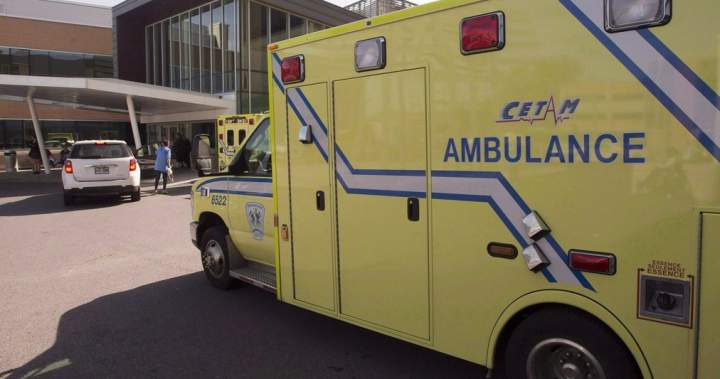
After more than three years without a collective agreement and over a year of strike action, Quebec paramedics have finally reached a tentative deal with the provincial government. The announcement, made on July 26, 2026, brings hope for improved working conditions for approximately 3,500 emergency medical professionals across the province.
What the Quebec Paramedics Agreement Means
The tentative agreement affects paramedics throughout Quebec, including more than 1,000 emergency responders working for Urgences-santé, the public ambulance service that provides critical emergency medical care to residents of Montreal and Laval. For the Latin community in these metropolitan areas, this development signals potential improvements in emergency response services that many families rely upon.
The deal was reached following six intensive days of negotiations between union representatives and government officials. While specific details of the proposed contract have not been publicly released by either party, the agreement represents a significant breakthrough in what had become a prolonged and contentious labor dispute.
The office of Quebec Treasury Board President France-Élaine Duranceau stated that the agreement would improve paramedics’ working conditions while helping ensure efficient and continuous ambulance services for the public.
Timeline of the Labor Dispute
Understanding the context of this Quebec paramedics tentative deal requires looking back at the challenging journey these essential workers have faced:
- More than three years without a collective agreement
- Strike action that began in July 2025
- Primary disputes centered on pay and compensation
- Six days of final negotiations leading to the breakthrough
- Agreement reached on July 26, 2026
The extended period without a contract highlighted the growing tensions between healthcare workers and provincial authorities regarding fair compensation for emergency medical services. Paramedics across Quebec had been operating under increasingly difficult circumstances, with many in the profession arguing that their pay did not reflect the demanding and life-saving nature of their work.
Impact on Emergency Services in Montreal and Laval
For residents of Montreal and Laval, particularly those in the Latin community who may have language barriers when accessing emergency services, the stability this agreement brings is crucial. Urgences-santé handles thousands of emergency calls annually, and the resolution of this labor dispute ensures that ambulance services will continue without disruption.
The tentative agreement between Quebec paramedics and the government still needs to be ratified by union members. The union has indicated that the proposed contract will be presented to its membership as soon as possible, allowing workers to review the terms and vote on acceptance.
What This Means for the Community
Emergency medical services form a critical component of public health infrastructure, and this agreement has several implications for Quebec residents:
- Continued availability of ambulance services throughout the province
- Potential improvements in response times as workforce stability increases
- Better working conditions may help retain experienced paramedics
- Resolution of labor tensions reduces uncertainty in emergency care
For newcomers to Canada and members of the Latin community, understanding how emergency services operate is essential. In Quebec, calling 911 connects residents with emergency dispatchers who can send paramedics, police, or firefighters depending on the situation. The resolution of this labor dispute ensures that when families need emergency medical assistance, trained professionals will be available to respond.
Looking Forward
The successful negotiation between Quebec paramedics and the provincial government demonstrates that even prolonged labor disputes can reach resolution through continued dialogue. As the agreement moves toward ratification, both the union and government officials appear optimistic about the path forward.
Residents should expect normal ambulance services to continue throughout the ratification process. For those in the Latin community seeking information about emergency services or healthcare access in Quebec, local community organizations and settlement services can provide guidance in Spanish and other languages to ensure everyone understands how to access critical emergency care when needed.
