


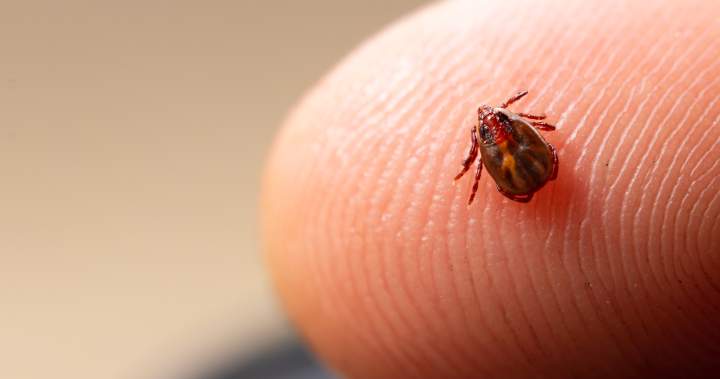
Nova Scotia residents are facing an alarming increase in tick-borne illnesses, and health experts are warning that Lyme disease is no longer the only concern. As of July 26, 2026, the province has already recorded 400 cases of anaplasmosis, a bacterial infection transmitted by black-legged ticks that is rapidly becoming a significant public health issue across the region.
For families in the Latin community who enjoy outdoor activities, hiking trails, and exploring Canada’s beautiful natural landscapes, understanding the risks associated with tick-borne diseases has become essential. The changing climate conditions in Nova Scotia are creating an environment where ticks can thrive for longer periods, increasing the chances of encounters during everyday activities.
Understanding the Rise of Tick-Borne Diseases in Nova Scotia
The statistics paint a concerning picture of tick-borne illness trends in the province. In 2025, Nova Scotia recorded 681 cases of anaplasmosis, compared to 466 cases in 2024. This year’s numbers suggest the province may surpass previous records. Lyme disease cases have also been climbing steadily, with 2,788 cases reported in 2025, up from 2,351 in 2024 and 2,057 in 2023.
“We are also seeing that anaplasma that cause anaplasmosis is on the rise. This is an evolution of the tick species able to effectively transmit and carry other pathogens,” explained Nicoletta Faraone, director of the Canadian Tick Research and Innovation Centre and professor at Acadia University in Wolfville, Nova Scotia.
According to Professor Faraone, several factors are contributing to the surge in tick-borne illness cases. Shorter and warmer winters allow ticks to survive in greater numbers, while expanding deer populations provide the blood meals these parasites need to thrive. Changes in land use and wildlife patterns have also created more opportunities for human-tick encounters.
Climate Change Fueling the Tick Population Explosion
The Nova Scotia Department of Health has confirmed that environmental conditions are increasingly favorable for tick populations. Climate change has extended the active season for these parasites, meaning residents face risks for more months throughout the year.
The department emphasized that longer, warmer seasons are helping ticks spread across the province and remain active for extended periods. This translates to more opportunities for people to encounter ticks in everyday settings, whether in their backyards, local parks, or popular hiking destinations.
Recognizing Symptoms and Seeking Treatment
One of the challenges with tick-borne illnesses is that symptoms are not always immediately apparent. Both Lyme disease and anaplasmosis can present with flu-like symptoms that may be dismissed as minor ailments. However, early detection and treatment are crucial for preventing serious health complications.
Watch for these warning signs after spending time outdoors:
- Fever, chills, and body aches
- Severe headaches and fatigue
- Muscle pain and joint discomfort
- The characteristic bull’s-eye rash associated with Lyme disease
- Nausea, vomiting, or loss of appetite
- Confusion or neurological symptoms in severe cases
Professor Faraone advises anyone experiencing these symptoms to consult their family doctor immediately, especially if they have recently spent time in areas where ticks are prevalent. Early antibiotic treatment can be highly effective in addressing both Lyme disease and anaplasmosis.
New Emerging Concerns: Alpha-Gal Syndrome
Researchers across Canada are also monitoring emerging tick-related health concerns, including alpha-gal syndrome. This rare condition, triggered by certain tick bites, can cause individuals to develop an allergy to red meat. While still uncommon, the condition represents another reason why preventing tick bites should be a priority for all outdoor enthusiasts.
Practical Tips for Protecting Your Family
The good news is that tick-borne illness can be prevented with proper precautions. Experts recommend the following strategies to minimize your risk:
- Wear long sleeves and pants when hiking or spending time in wooded areas
- Use insect repellent containing DEET or permethrin on clothing
- Stay on cleared trails and avoid walking through tall grass or brush
- Conduct thorough tick checks on yourself, children, and pets after outdoor activities
- Shower within two hours of coming indoors to wash off unattached ticks
- Dry clothes on high heat for at least 10 minutes to kill any hidden ticks
Professor Faraone emphasizes the importance of prompt tick removal, noting that if a tick is discovered and removed within a few hours of attachment, the likelihood of disease transmission is significantly reduced. Keeping a tick removal tool in your outdoor gear can help ensure safe and complete removal.
As tick-borne diseases continue to rise across Nova Scotia and other Canadian provinces, staying informed and practicing preventive measures has never been more important. For the Latin community enjoying all that Canada’s outdoors has to offer, awareness and vigilance are the best defenses against these increasingly common illnesses.
