


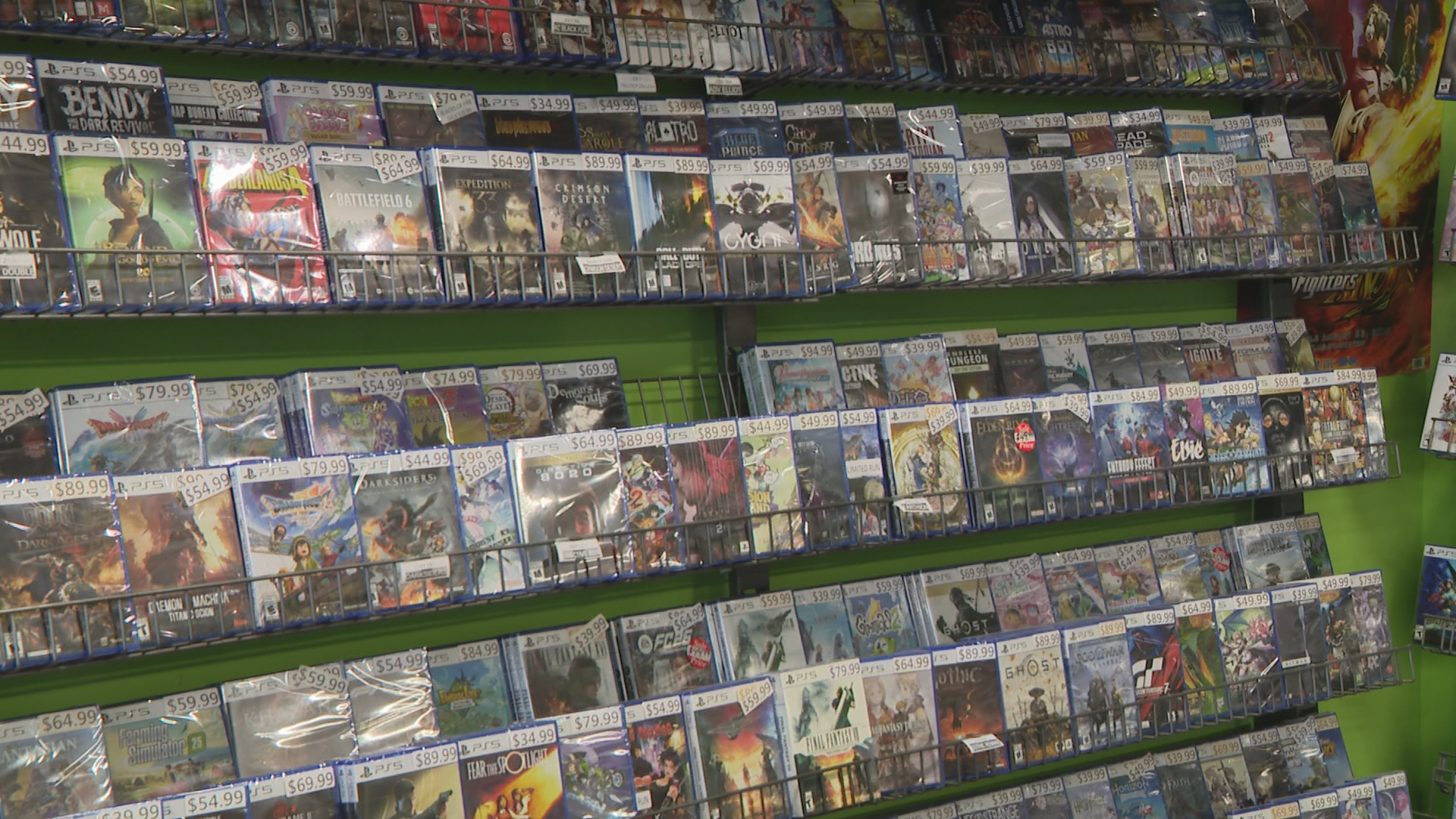
The gaming industry is witnessing a seismic shift as Sony, the Japanese technology giant behind PlayStation, confirmed on July 19, 2026, that it will cease production of physical video game copies by 2028. This announcement marks a definitive turn toward an all-digital future, leaving Canadian gaming retailers and passionate collectors grappling with uncertainty about what lies ahead.
Canadian Gaming Businesses Face Uncertain Future
The decision has sent shockwaves through local gaming communities across Canada, particularly affecting small businesses that have built their livelihoods around physical media sales. In Saskatoon, Hi-Tech Gametraders, a beloved gaming store that has served customers since 1998, is already feeling the pressure of this industry transformation.
“It just used to feel a lot more like ‘for the fans’ kind of thing, whereas now it really feels like it’s bottom-line. That’s what their focus has become and it’s really unfortunate because I think for gamers, even from yesterday and today, there’s a passion to gaming.”
Store owner Umair Khan expressed these sentiments, reflecting the disappointment shared by countless gaming enthusiasts who value the tangible experience of owning physical copies of their favorite titles. For many gamers, physical media represents more than just a product—it embodies memories, collectibility, and true ownership.
The Digital Ownership Dilemma
One of the most significant concerns surrounding this transition involves the fundamental difference between purchasing a physical game and downloading a digital copy. When consumers buy games online, they are essentially purchasing a license to use the content rather than actual ownership of the product itself.
This distinction became painfully clear when Sony recently delisted approximately 550 movies from the PlayStation Store. Customers who had paid for these films suddenly found themselves without access, with no refunds offered. Khan highlighted this troubling precedent:
- Digital purchases grant only a license, not true ownership
- Companies can delist content at any time without compensation
- Consumers lose access to purchased content permanently
- No refund policies exist for delisted digital products
- Physical media remains the only guarantee of permanent access
Adapting to a Changing Marketplace
Canadian gaming retailers are already pivoting their business strategies in anticipation of this major change. Many stores have begun expanding their merchandise offerings to include collectibles, trading cards, and other gaming-related products that maintain physical appeal.
Khan noted that his store may need to follow this trend, despite video games being the core reason customers have supported Hi-Tech Gametraders for nearly three decades. The potential shift toward Pokemon trading cards, Funko Pop figures, plush toys, and other collectibles represents a significant departure from the traditional gaming retail model.
Industry Trends and Consumer Reaction
Sony’s announcement follows a broader industry trajectory that has seen competitors like Xbox increasingly embrace digital distribution. However, Khan pointed out an interesting observation about the risks of going fully digital:
- Xbox has struggled during the current console generation
- The company has faced significant challenges despite digital focus
- Multiple internal changes suggest the strategy may not be working
- Sony’s decision to follow this path has surprised many industry observers
Customer reactions in Canada have been overwhelmingly negative. Khan reported having multiple conversations with disappointed customers on the day of the announcement, with many expressing frustration and confusion about Sony’s direction. The sense of community and fan appreciation that once characterized the gaming industry appears to be fading in favor of corporate bottom-line considerations.
What This Means for Canadian Gamers
For the Latin community in Canada and gaming enthusiasts across the country, this transition period presents several important considerations. Collectors may want to secure physical copies of their favorite titles before production ends. Additionally, consumers should be aware of the limitations inherent in digital purchases and plan their gaming investments accordingly.
The next two years will be crucial as both retailers and consumers adapt to this new reality. While digital gaming offers convenience and instant access, the loss of physical media represents the end of an era that many gamers hold dear. The conversation about digital rights, consumer protection, and the true meaning of ownership in the digital age is only beginning.
