


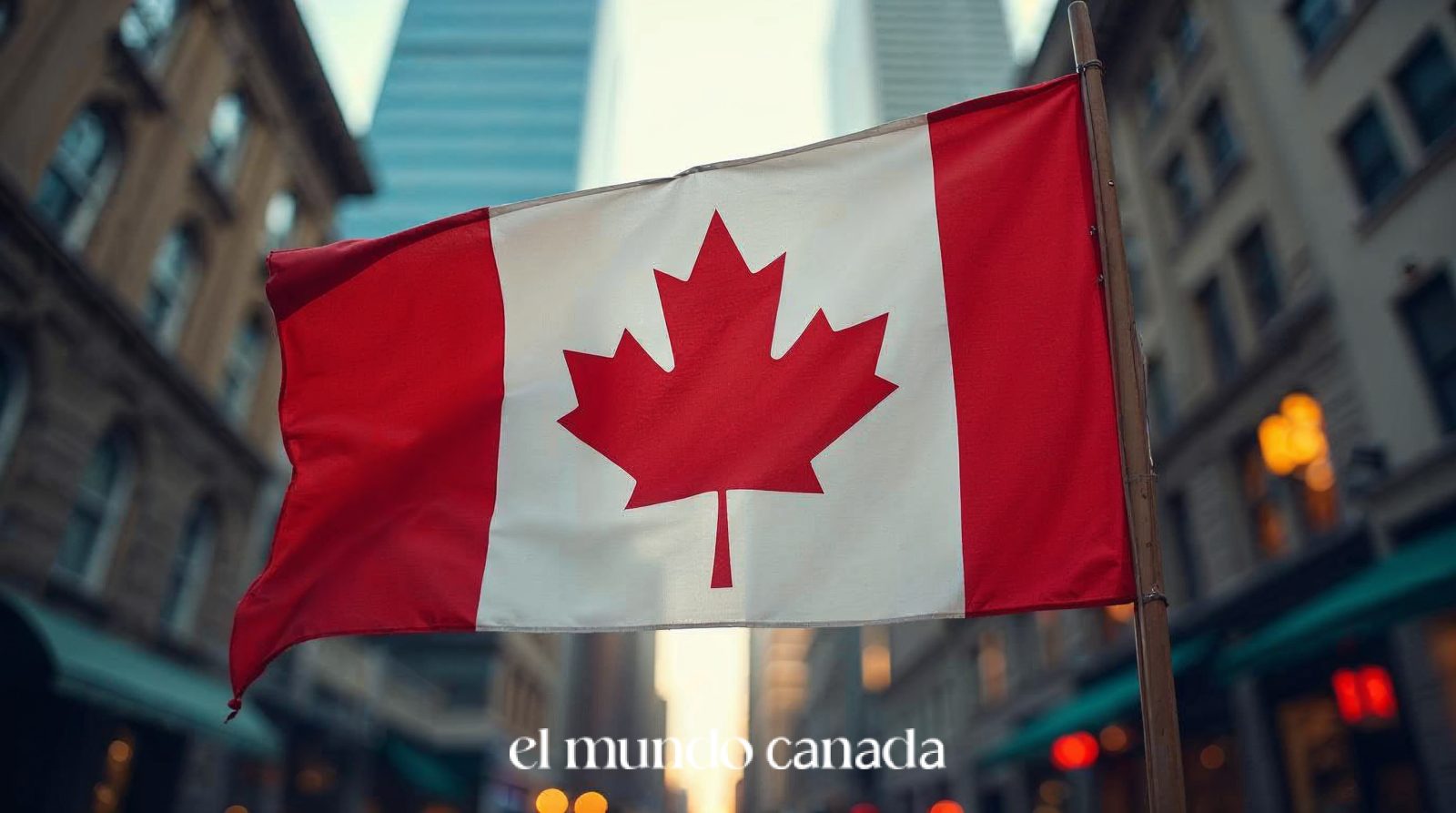
The trade war between Canada and the United States has reached a critical juncture, with Canadian consumers increasingly turning to domestic products as a form of economic resistance. In Toronto grocery stores, small red maple leaves now mark Canadian-made products, guiding shoppers like Mateus Gujrel who have made a conscious decision to buy Canadian amid escalating bilateral tensions.
Since Donald Trump returned to office, relations between the two North American neighbors have deteriorated significantly. Gujrel, a software developer, represents a growing wave of Canadian nationalism that has transformed shopping habits across the country. He told Al Jazeera outside a No Frills grocery store on Wednesday: “Anything that we can clearly see that’s Canadian, we will take.”
Retaliatory Tariffs Take Effect on $20 Billion in Goods
The economic conflict escalated dramatically in late August when negotiations failed to prevent Trump’s threatened 50 percent tariffs on nearly $20 billion worth of Canadian products. The targeted goods include machinery, textiles, and even hockey sticks—a symbolic strike at Canada’s national sport.
US tariffs took effect on August 22. In response, on Tuesday, Canada imposed a new round of retaliatory tariffs ranging from 15 to 50 percent on roughly $20 billion worth of US imports. The measures target American products from steel and aluminium to dairy, appliances, clothing, and cosmetics.
“I don’t want … our money to go to the US in any way that I can avoid.”
Prime Minister Carney Accuses US of Unfair Negotiations
Canadian Prime Minister Mark Carney has taken a firm stance against what he describes as bad faith negotiations from Washington. He accused the United States of inserting last-minute demands into trade talks, including terms that were “uneconomic, unfair and undermined the net benefits for Canada.”
Carney explained that Canada’s tariff response was a “dollar-for-dollar” measure designed to match American trade aggression proportionally. This approach signals that Ottawa will not back down from protecting Canadian economic interests, even as the dispute threatens to disrupt cross-border commerce that has flourished for decades.
The Prime Minister’s tough rhetoric reflects growing public sentiment in Canada, where Trump’s repeated comments about making the country the “51st state” have fueled widespread anger and a determination to support domestic businesses.
Buy Canadian Movement Shows No Signs of Fading
Research indicates that Canadian consumer nationalism is far more than a temporary reaction. Margaret Chapman, the chief operating officer at market research company Narrative Research, has been tracking attitudes toward buying domestic products for roughly a year and a half.
“The initiative among Canadians to buy Canadian and support Canadian is not a fleeting sentiment. It’s very strong, and it’s ongoing, and it’s probably set to last.”
This sustained commitment to domestic purchasing represents a significant shift in consumer behavior. Canadians are actively seeking out maple leaf symbols in stores and switching from American brands to local alternatives. Gujrel himself switched his almond milk brand and stopped buying LaCroix, replacing the American sparkling water with a Canadian alternative.
Read more: Treasury Yields Near 5%: Inflation Fears Hit Markets
When Will Canadians Feel the Economic Impact?
Despite the dramatic tariff announcements, many Canadian shoppers have not yet noticed drastic price increases. Economists say this is not surprising. The advisory firm Oxford Economics estimates that just 0.25 percent of the average consumer basket is directly affected by the new tariffs.
This limited immediate impact occurs largely because many of the goods Canada targeted are used by businesses rather than purchased directly by shoppers. However, experts have warned that some costs could still reach consumers indirectly over time as businesses pass along higher input costs.
The trade war could make Canadian consumers’ commitment to buying local more complicated in the months ahead. Experts have warned that consumer prices could rise and job losses are possible as the economic conflict deepens. For those interested in how courts are handling major financial disputes, the trade tensions add another layer of economic uncertainty.
What Canadian Consumers Need to Know
For Latin Americans living in Canada, the trade war presents both challenges and opportunities. Understanding which products carry tariffs and which Canadian alternatives exist can help families make informed purchasing decisions while supporting the local economy.
The BC Liquor Store in Vancouver, British Columbia, has already replaced its American whisky section with a series of “Buy Canadian Instead” signs, a visual representation of the national mood. Similar initiatives are appearing in retail locations across the country.
Key products affected by Canadian retaliatory tariffs include:
- Steel and aluminium products — 15 to 50 percent tariffs
- Dairy products from the United States
- Appliances manufactured in America
- Clothing and textiles of US origin
- Cosmetics from American companies
While the immediate price impact remains limited, financial experts recommend that Canadian households prepare for potential price increases in the coming months as supply chains adjust to the new tariff environment.
How much have tariffs increased between Canada and the US?
The United States imposed 50 percent tariffs on nearly $20 billion worth of Canadian products on August 22. Canada responded with retaliatory tariffs ranging from 15 to 50 percent on approximately $20 billion worth of US imports.
Will Canadian grocery prices increase because of the trade war?
According to Oxford Economics, only 0.25 percent of the average consumer basket is directly affected by the new tariffs. However, experts warn that indirect costs could reach consumers over time as businesses adjust their pricing.
What products does the Buy Canadian movement target?
The Buy Canadian movement encourages consumers to replace American products with domestic alternatives. Common switches include beverages like sparkling water, dairy products, whisky, and various grocery items marked with red maple leaf symbols.
How can I identify Canadian-made products in stores?
Canadian grocery stores are increasingly marking domestic products with small red maple leaves beside price tags. Retail locations like BC Liquor Stores have also created dedicated sections with “Buy Canadian Instead” signage.
📘 Follow El Mundo Canada on our social networks: Facebook | Twitter | Instagram
The trade conflict between Canada and the United States shows no signs of resolution in the near term. Prime Minister Carney has made clear that Canada will continue its dollar-for-dollar response strategy, and the Buy Canadian movement continues to gain momentum among consumers from coast to coast. The next critical phase will unfold as both countries assess the economic impact of current tariffs and determine whether further escalation or negotiation lies ahead.
