


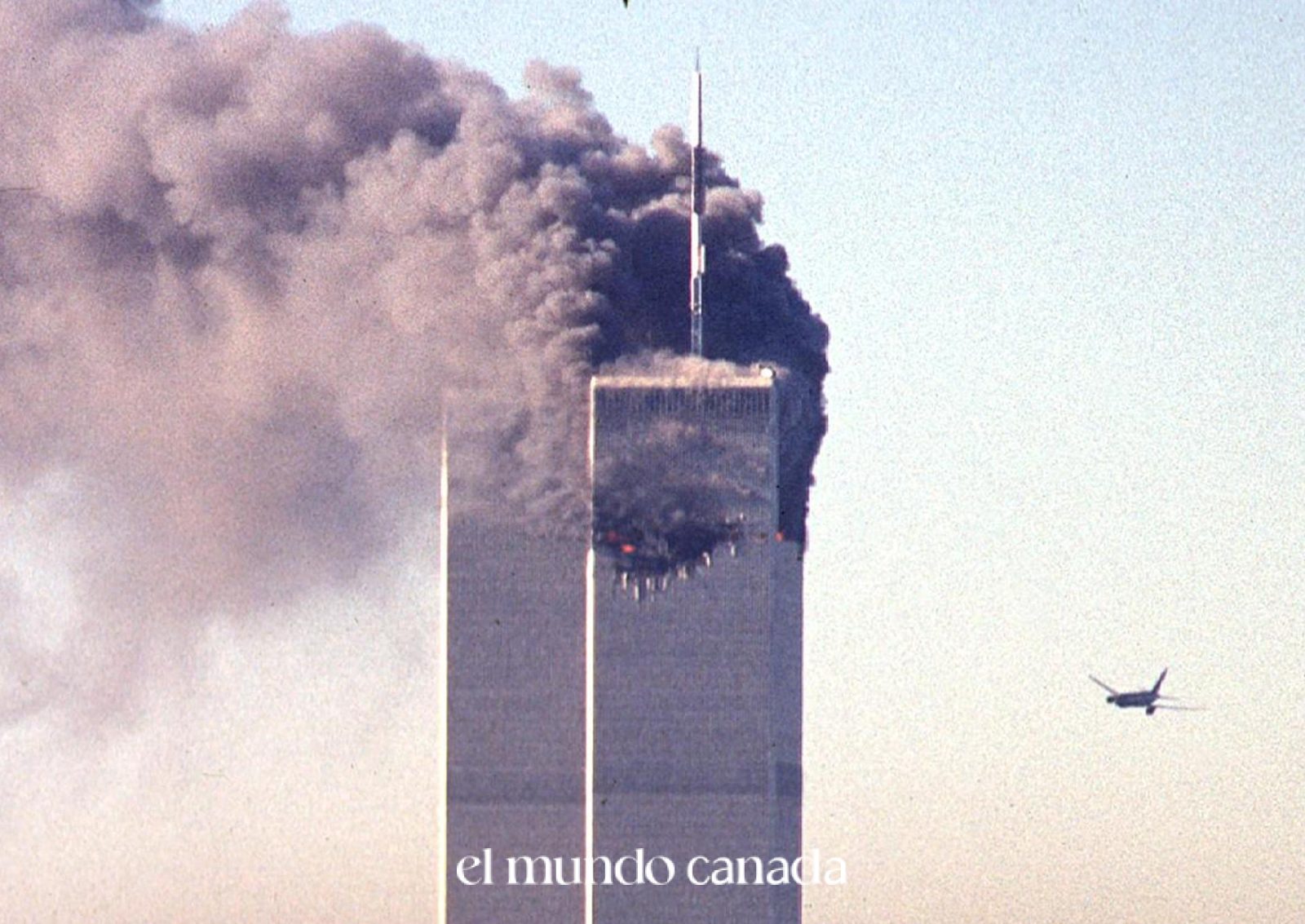
On September 11, 2026, marking the 25th anniversary of the deadliest terrorist attack on American soil, the Central Intelligence Agency released several dozen declassified presidential briefing documents revealing what government officials knew about Osama bin Laden and al-Qaeda in the years leading up to the hijackings that killed nearly 3,000 people. This unprecedented release of classified intelligence materials offers a sobering look into the warnings that circulated within the highest levels of the US government before that fateful September morning.
Historic Transparency: CIA’s Largest Document Release
CIA Director John Ratcliffe called the release “an act of exceptional transparency,” noting these documents represent the agency’s single largest release of declassified presidential daily briefs in history. These highly classified briefings were originally prepared by the nation’s intelligence community exclusively for the government’s most senior leaders.
The released materials span from February 1998 through September 12, 2001, providing an unprecedented window into what American intelligence knew about emerging terrorist threats. For Canadians, particularly those in the Latin community who remember that day vividly, these documents offer crucial historical context about the events that reshaped North American security forever.
The declassification comes as four former US presidents gathered in New York City to mark the somber anniversary, while current leadership paid tribute to victims at Pentagon ceremonies across the nation.
Early Warnings: What Intelligence Knew About Bin Laden
Among the most striking revelations is a document from February 1998, prepared for then-President Bill Clinton, titled “Terrorists Seeking WMD Capability.” This briefing specifically mentioned bin Laden and other Islamic extremists seeking weapons of mass destruction capabilities.
The documents illustrate how security analysts tracked bin Laden’s movements and support system with increasing concern. Intelligence officials documented his network’s presence in the United States and other countries, including detailed information about how his operations were financed.
An April 1998 document described the Taliban’s unwillingness to surrender bin Laden, who was considered their “guest” in Afghanistan at the time. The briefing noted that Taliban leaders’ “gratitude for his assistance during the Soviet occupation” made them “reluctant to alienate him by monitoring or controlling his activities.”
Chilling Predictions: Warnings of Airplane Attacks
Perhaps the most haunting revelation comes from a briefing written five months after the April 1998 Taliban document. Intelligence officials warned that bin Laden’s “preferred option is to strike the US on its own soil in Washington” and that al-Qaeda “may fly an explosive-packed airplane into a US city.”
“Some members of the Bin Ladin network have received hijack training.”
A December 1998 briefing described how conspirators “have evaded security checks during a recent trial run at an unidentified New York airport.” This document confirmed that members of bin Laden’s network had received specific hijacking training, years before the September 11 attacks would unfold.
These warnings, now public knowledge, reveal the intelligence community’s awareness of potential aviation-based terrorist threats well before the 2001 attacks materialized.
Dirty Bomb Pursuit: Al-Qaeda’s Nuclear Ambitions
The declassified documents also detail bin Laden’s pursuit of materials for making “dirty bombs” — conventional weapons infused with radioactive material. By June 1999, according to intelligence officials, his operatives had conducted experiments with explosives designed to “increase their energy output.”
These revelations about al-Qaeda’s nuclear ambitions underscore the breadth of terrorist planning that US intelligence was tracking in the years before September 11. The pursuit of radiological weapons represented an escalation in the terrorist organization’s capabilities that intelligence agencies monitored with growing alarm.
For the Latin community in Canada, many of whom have family connections throughout the Americas and remember the cross-border security changes following 9/11, these documents provide context for the dramatic shifts in travel and immigration policies that followed.
The Day After: Intelligence Confirms Two-Year Plot
The documents extend through September 12, 2001, the day after the attacks. A report from that date indicated that sources confirmed the attacks had been planned for two years and had also targeted the US Capitol building in addition to the World Trade Center and Pentagon.
Many of the released documents contain redactions to protect sources’ names and other identifying information. Intelligence officials note the materials do not appear to break new ground on the specific planning of the attacks or significantly change the historical understanding of how events unfolded.
However, they provide unprecedented transparency into the presidential daily briefing process and the information flowing to America’s highest leaders during a critical period in national security history.
Impact on North American Security
The September 11 attacks fundamentally transformed security cooperation between Canada and the United States. The revelations in these declassified documents help explain the urgency behind post-9/11 border security measures that continue affecting daily life for millions of Canadians, including members of the Latin community who frequently cross the border.
From enhanced passport requirements to the creation of the Department of Homeland Security, the intelligence failures documented in these briefings led to massive restructuring of North American security infrastructure. Understanding what officials knew — and when they knew it — remains crucial for evaluating ongoing security policies.
The documents also shed light on the challenges intelligence agencies face in translating warnings into actionable prevention, a lesson that remains relevant for contemporary security threats facing both nations.
Remembering Victims While Looking Forward
As communities across North America marked the 25th anniversary of September 11, these declassified documents serve both as historical record and reminder. The nearly 3,000 victims included citizens from over 90 countries, with significant representation from Latin American nations.
The anniversary observances included President Trump paying tribute to victims at a Pentagon ceremony, while former presidents gathered in New York City to honor those lost. These commemorations underscore how the events of that day continue to unite communities across political and national boundaries.
For the Latin community in Canada, many of whom arrived in the decades following 9/11, understanding this history provides essential context for the immigration and security landscape they navigate today.
Frequently Asked Questions
How many documents did the CIA declassify?
The CIA released several dozen presidential daily briefing documents, which Director John Ratcliffe described as the agency’s single largest release of declassified presidential daily briefs in history.
What time period do the documents cover?
The declassified documents span from February 1998 through September 12, 2001, covering intelligence gathered during the Clinton administration through the day after the September 11 attacks.
Did the documents reveal the US knew about airplane attacks in advance?
Yes, a briefing from late 1998 warned that al-Qaeda “may fly an explosive-packed airplane into a US city” and that bin Laden’s network members had received hijacking training.
Why were these documents released now?
The documents were released on September 11, 2026, to mark the 25th anniversary of the attacks, with CIA Director Ratcliffe calling it “an act of exceptional transparency.”
The CIA’s document release represents a significant moment in the ongoing effort to understand the intelligence landscape before September 11. As the 25th anniversary commemorations concluded on September 11, 2026, researchers and historians have begun analyzing these materials, with additional analysis expected to emerge in the coming months as experts review the newly available presidential daily briefs.
📘 Follow El Mundo Canada on our social networks: Facebook | Twitter | Instagram
